

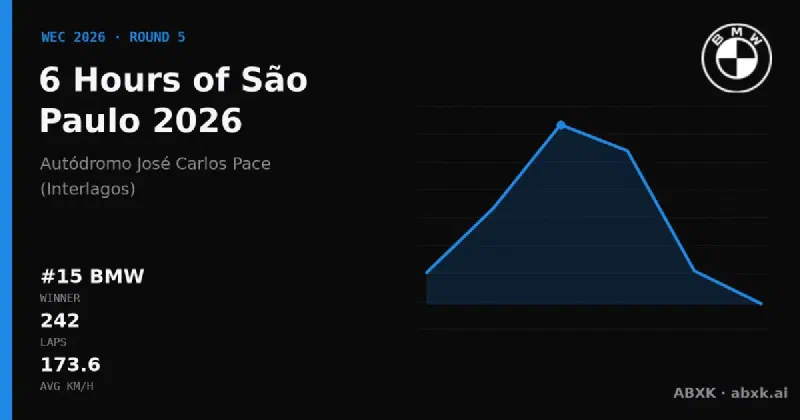
6 Hours of São Paulo 2026 — AI Data Analysis
BMW wins the 6 Hours of São Paulo 2026 with the #15 BMW M Hybrid V8. Pace order, reliability by class, lead changes and the closing phase in a data check.
Manufacturers
Munich manufacturer with a broad racing history — from the CSL 'Batmobile' through the DTM to the M Hybrid V8 in the current top class.
Connections
BMW wins the 6 Hours of São Paulo 2026 with the #15 BMW M Hybrid V8. Pace order, reliability by class, lead changes and the closing phase in a data check.
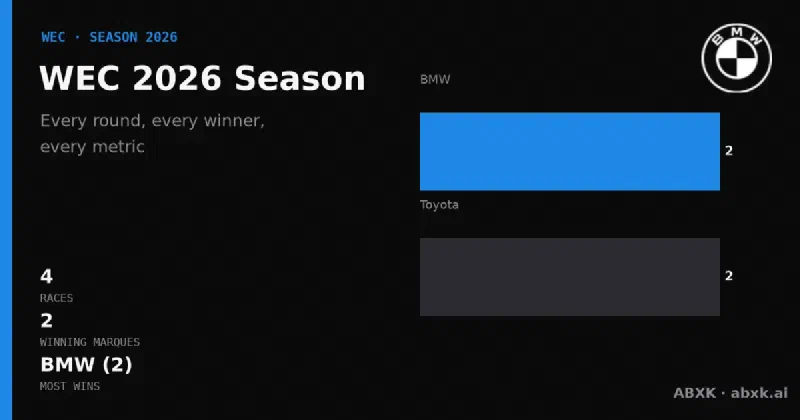
The first 4 of 8 races of the 2026 WEC season: winners, class winners, distances and manufacturer record. Toyota leads with 2 overall wins.
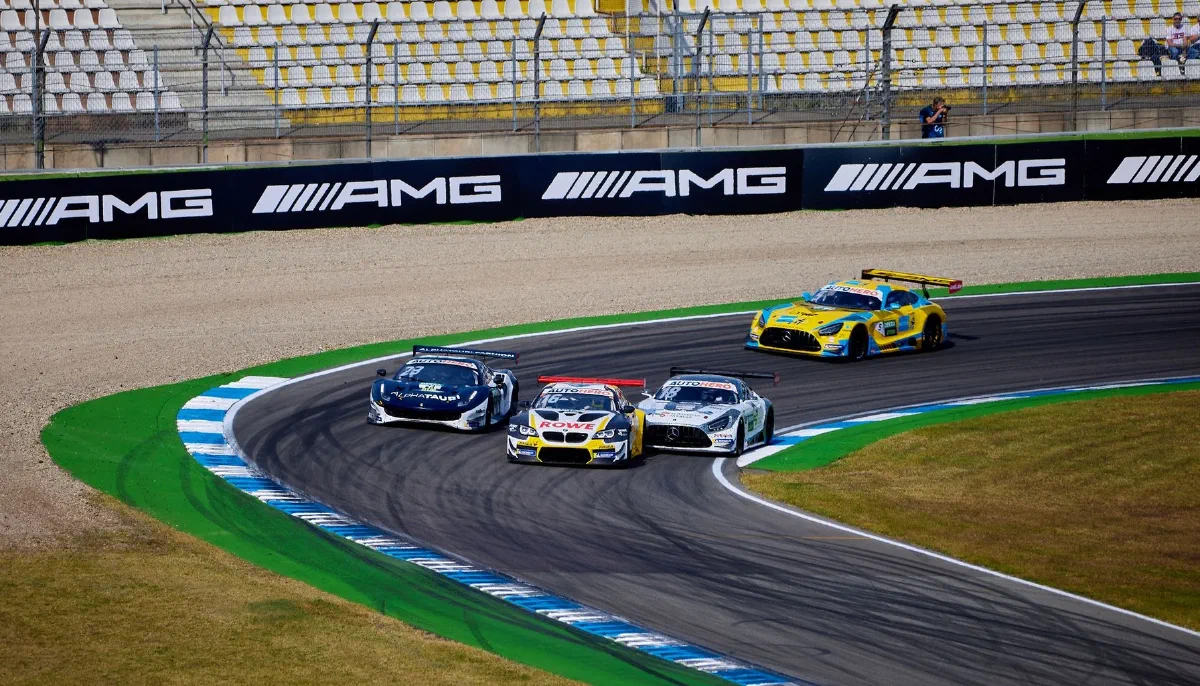
The four IMSA classes at a glance: what GTP, LMP2, GTD Pro and GTD mean, which cars and drivers compete — and how the classes differ technically.
Does the IMSA overall champion get an entry to the 24 Hours of Le Mans? The rules on automatic invitations, GTP/Hypercar convergence and crossing over, explained.
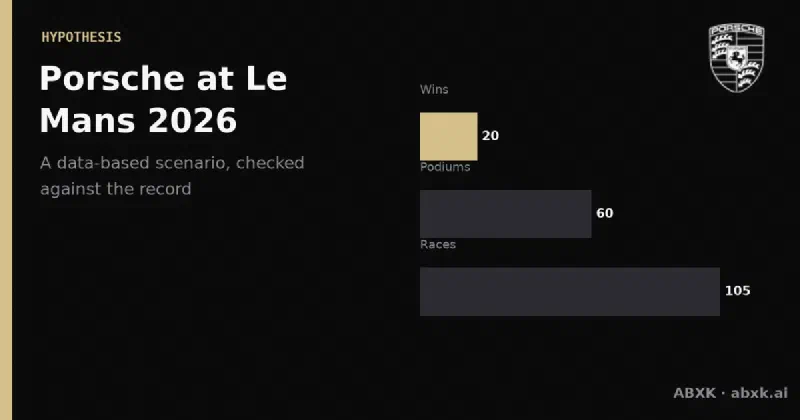
Porsche didn't race at Le Mans in 2026. What does the data say: could the further-developed 963 have beaten Toyota? A carefully bounded what-if model with clearly stated uncertainties.
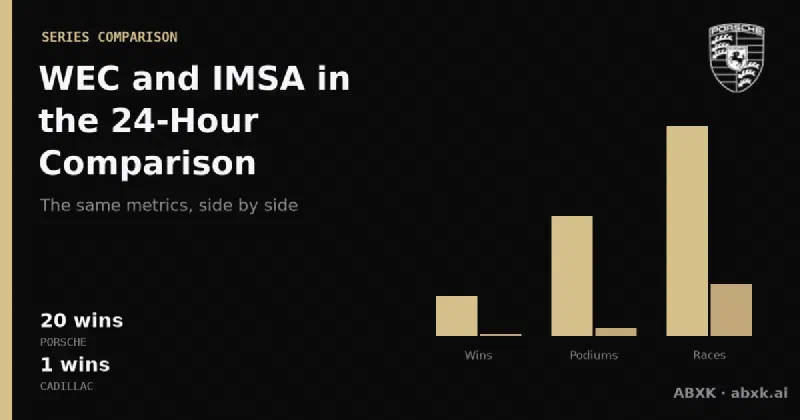
Le Mans and Daytona, three seasons, the same metrics: what connects WEC and IMSA at 24-hour races — and how both series changed from 2024 to 2026.
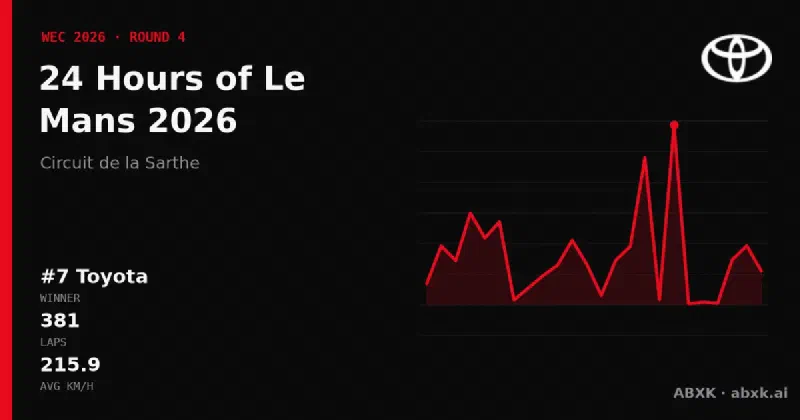
Toyota wins the 24 Hours of Le Mans 2026 with the #7 Toyota GR010 Hybrid. Pace order, reliability by class, lead changes and the closing phase in a data check.
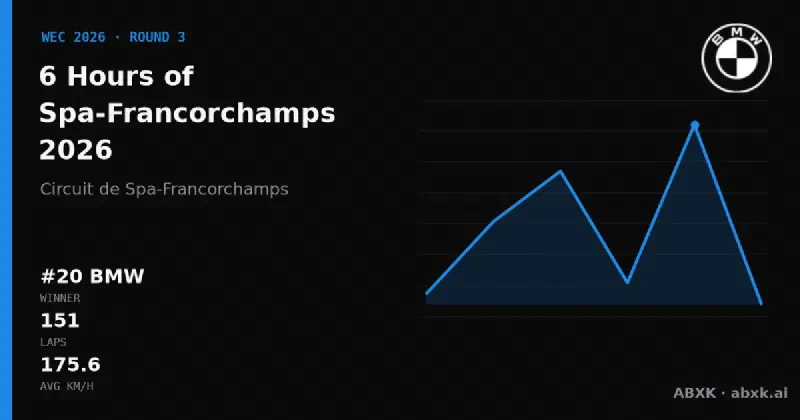
BMW wins the 6 Hours of Spa-Francorchamps 2026 with the #20 BMW M Hybrid V8. Pace order, reliability by class, lead changes and the closing phase in a data check.
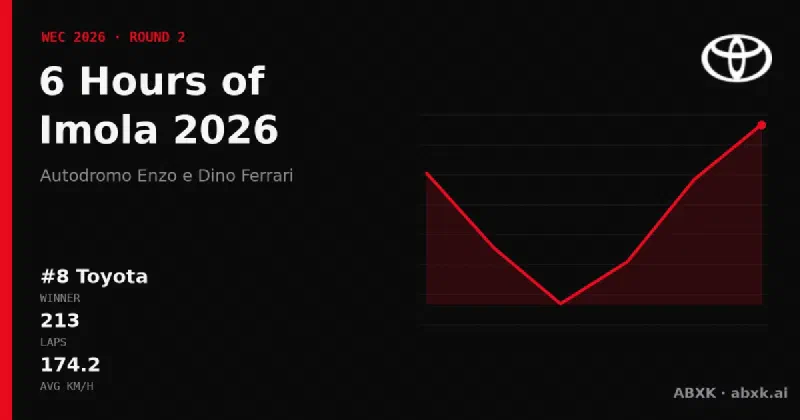
Toyota wins the 6 Hours of Imola 2026 with the #8 Toyota GR010 Hybrid. Pace order, reliability by class, lead changes and the closing phase in a data check.
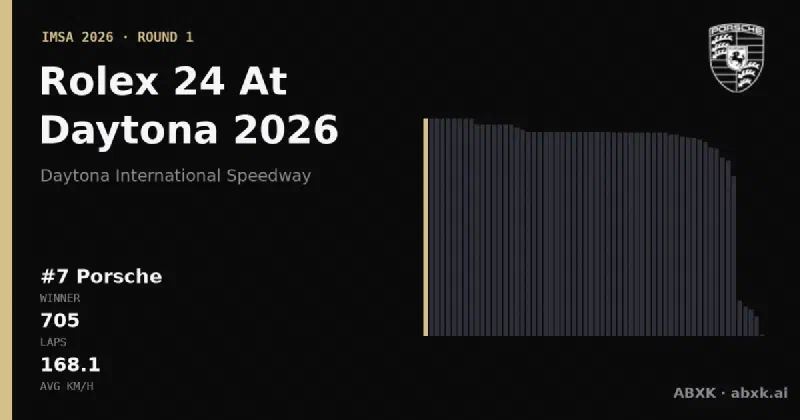
Porsche wins the Rolex 24 At Daytona 2026 with the #7 Porsche 963. Pace order, reliability by class, lead changes and the closing phase in a data check.
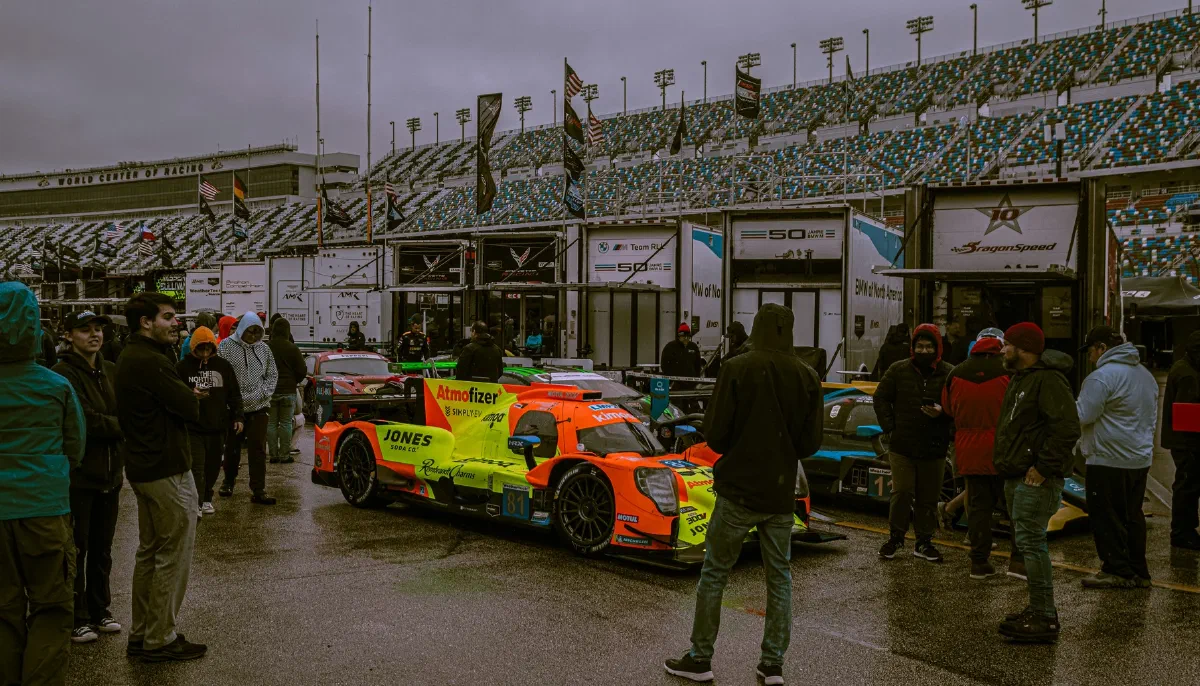
Daytona 24 Hours: the Daytona International Speedway — high-speed banking plus a tight infield course. Circuit, character and history of the Rolex 24.
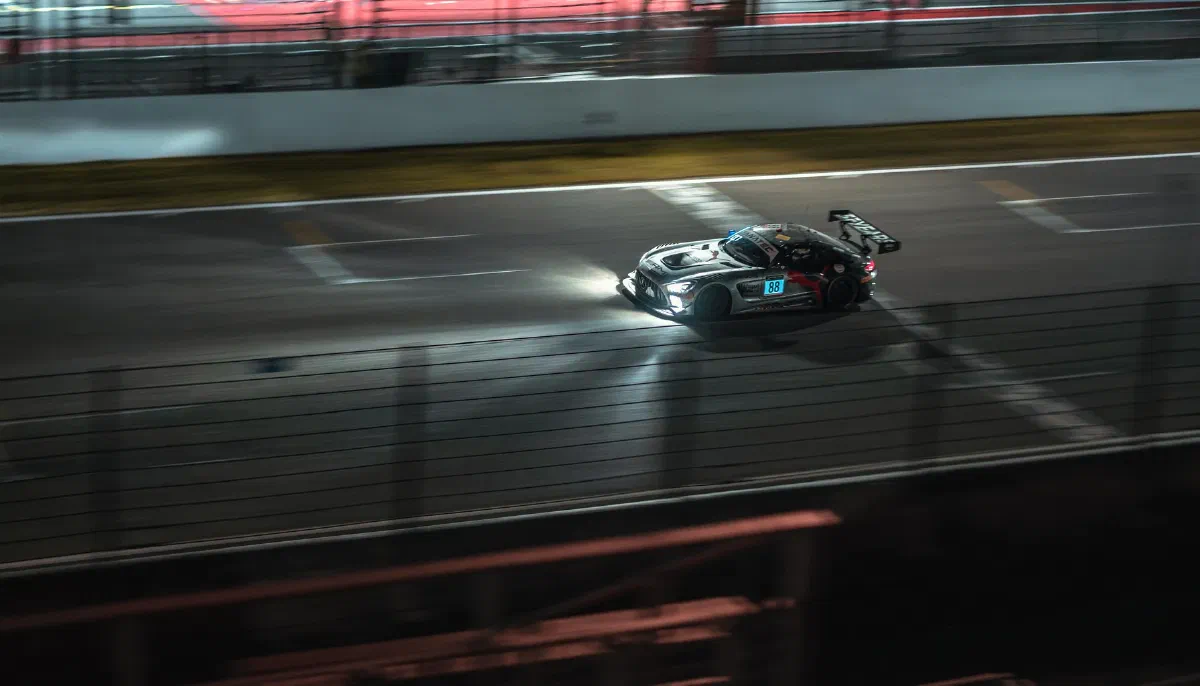
Le Mans 24 Hours: the Circuit de la Sarthe — 13.6 km, half public road, half permanent race track. The circuit of the 24-hour race.
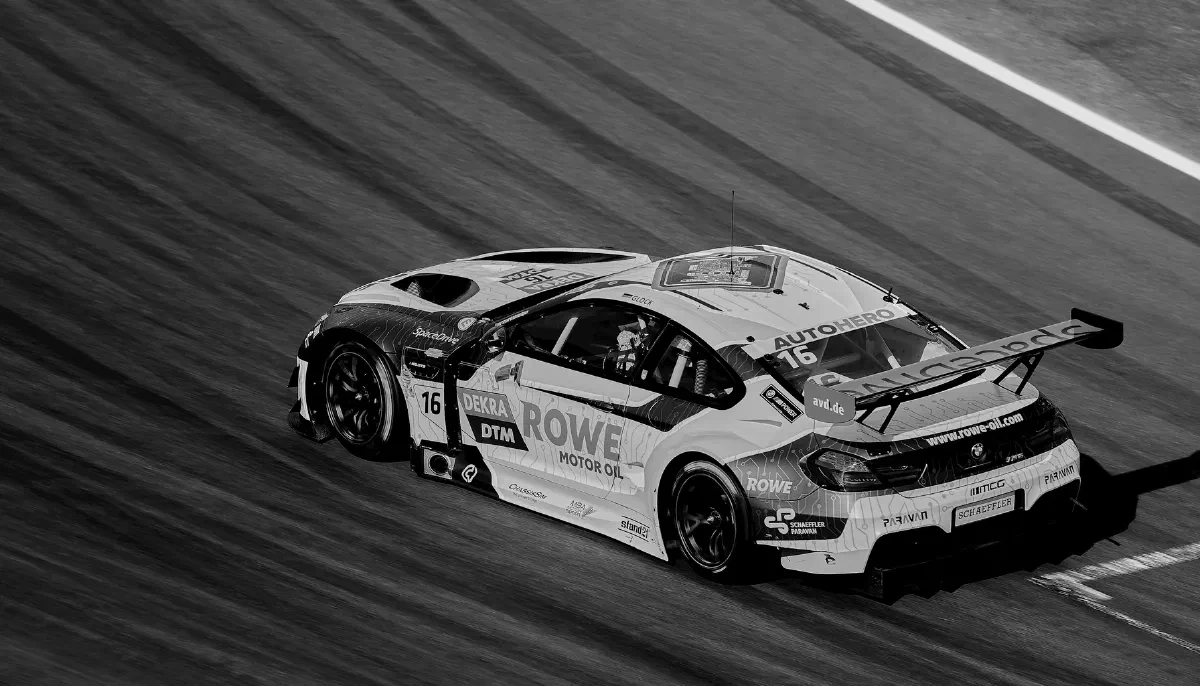
The DTM is Germany's GT3-based sprint series. Factory programs, circuits, culture — and why it matters again after its rules overhaul.
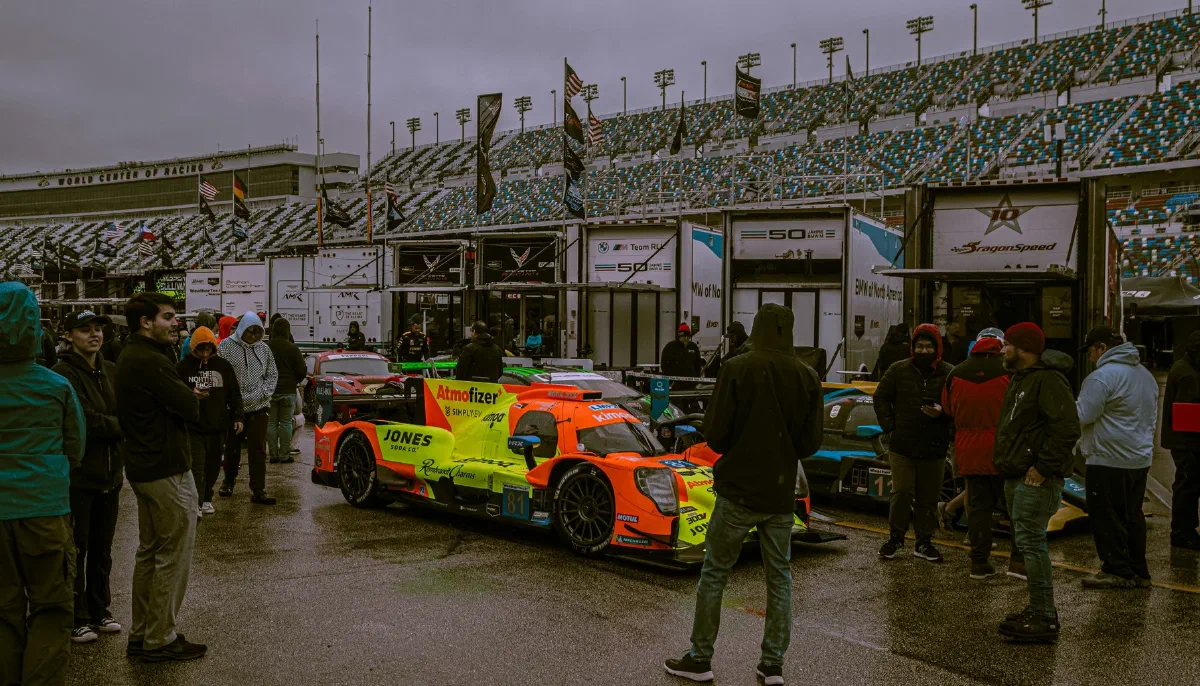
The IMSA SportsCar Championship is America's sports car series. What GTP, LMP2, GTD mean — and why Daytona, Sebring and Petit Le Mans are must-watch events.
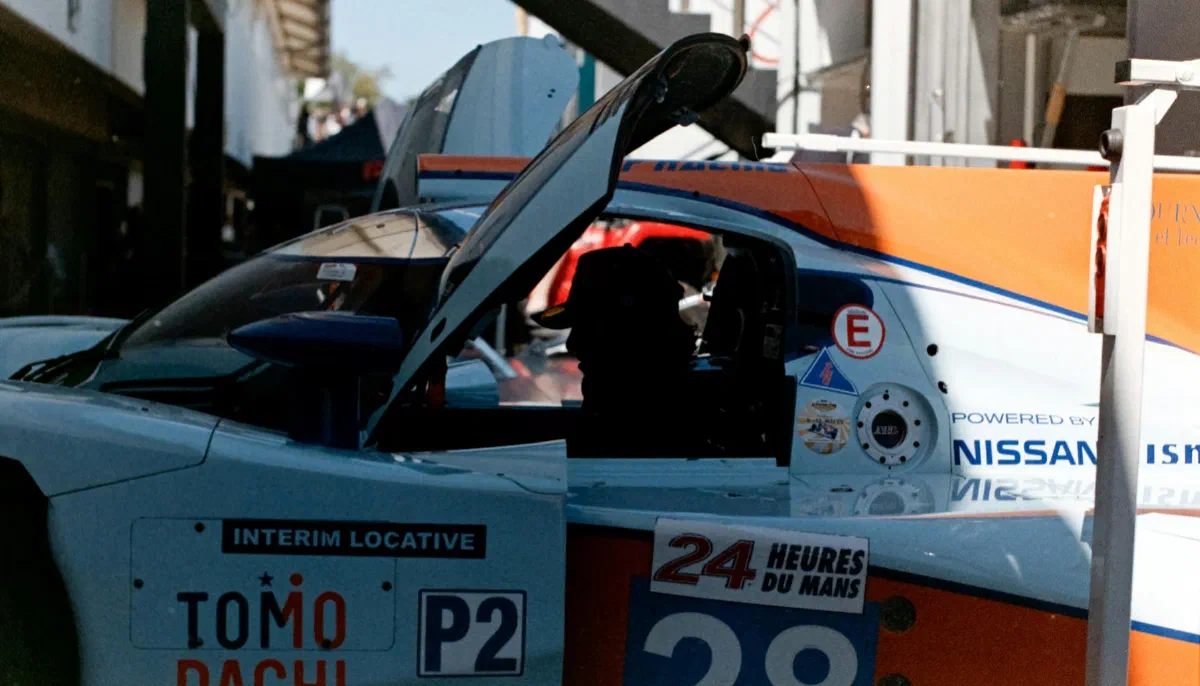
The WEC is the international sports car world championship with Le Mans as its crown. What Hypercar, LMP2 and LMGT3 mean — and why the WEC is the most exciting series of the present day.
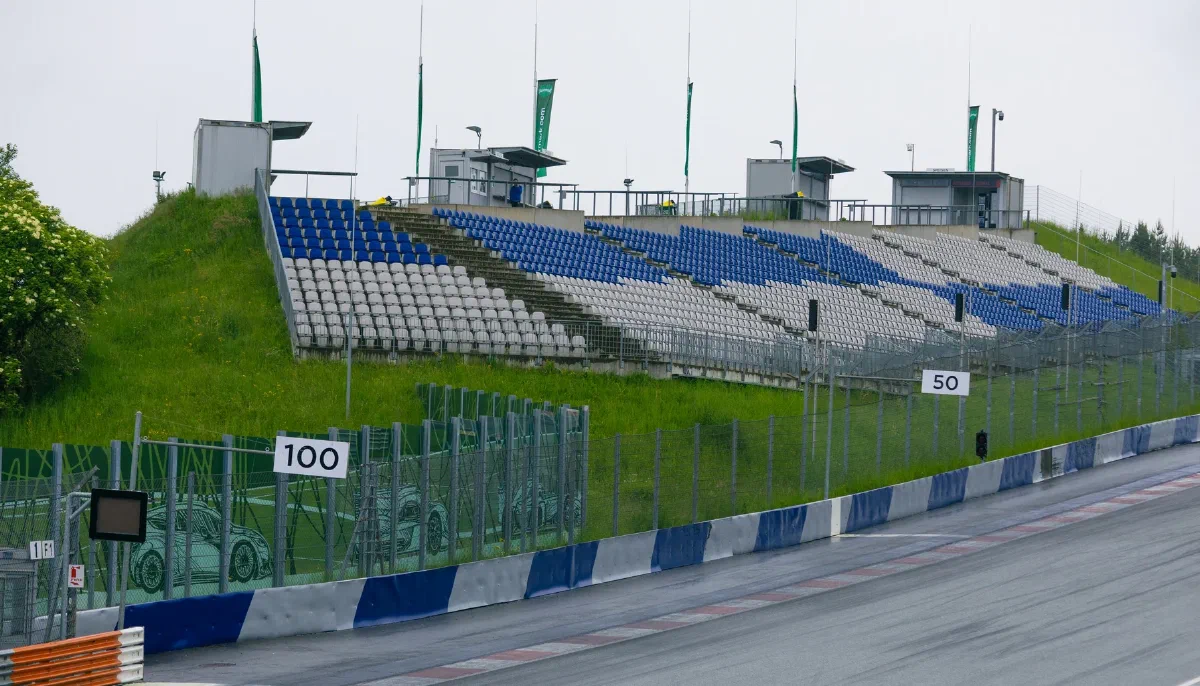
Training at the Hockenheimring. The character of the circuit, braking points, providers, what the GP layout demands and who it suits.
All overall winners of the 24-hour race at the Nürburgring from 1970 to 2025 — with drivers, car and team. Including the years 1974/75 and 1983 that were not held.
All overall winners of the 24 Hours of Le Mans from 1923 to 2026 — with drivers, car and team. Including the years 1936 and 1940–1948 that were not held.
All overall winners of the 24 Hours of Daytona (Rolex 24) from 1962 to 2025 — with drivers, car and team. Including the early Daytona Continental years and the 1974 race that was not held.
Every DTM drivers' champion from 1984 to 2025 — Deutsche Tourenwagen Meisterschaft / Masters, with car and team.
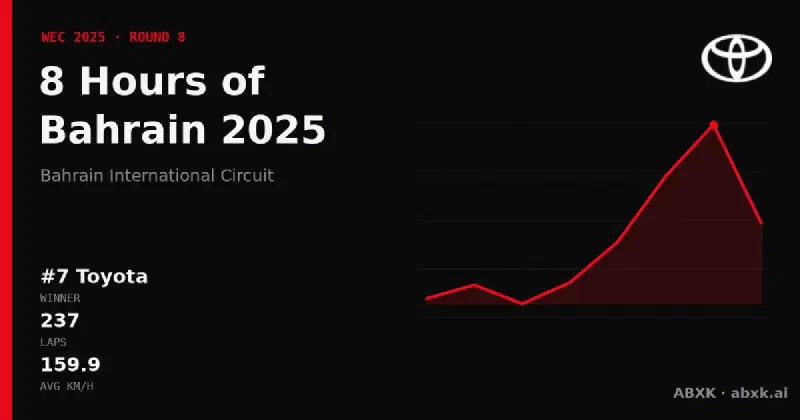
Toyota wins the 8 Hours of Bahrain 2025 with the #7 Toyota GR010 Hybrid. Pace order, reliability by class, lead changes and the closing phase in a data check.
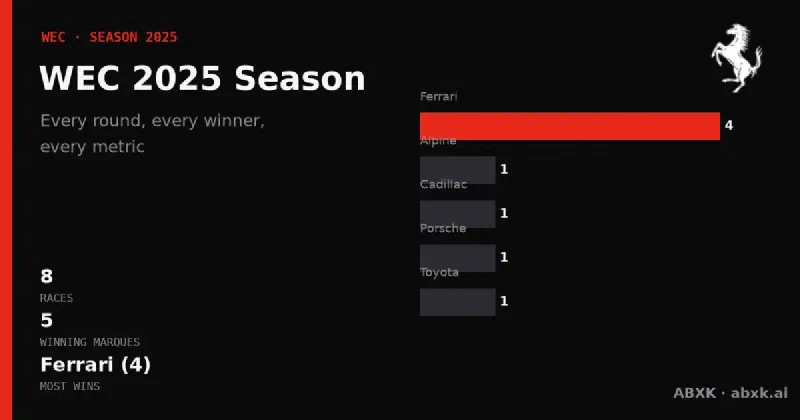
All 8 races of the 2025 WEC season: winners, class winners, distances and manufacturer record. Ferrari led with 4 overall wins.
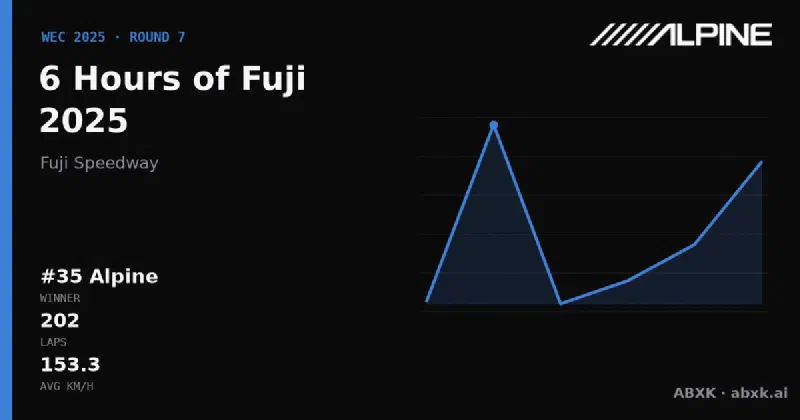
Alpine wins the 6 Hours of Fuji 2025 with the #35 Alpine A424. Pace order, reliability by class, lead changes and the closing phase in a data check.
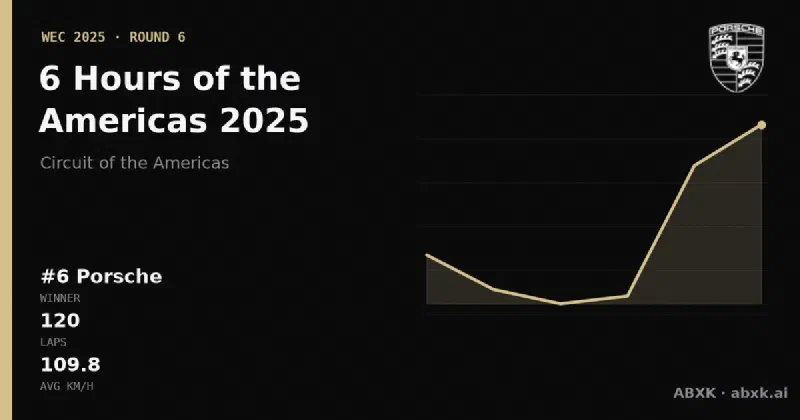
Porsche wins the 6 Hours of the Americas 2025 with the #6 Porsche 963. Pace order, reliability by class, lead changes and the closing phase in a data check.
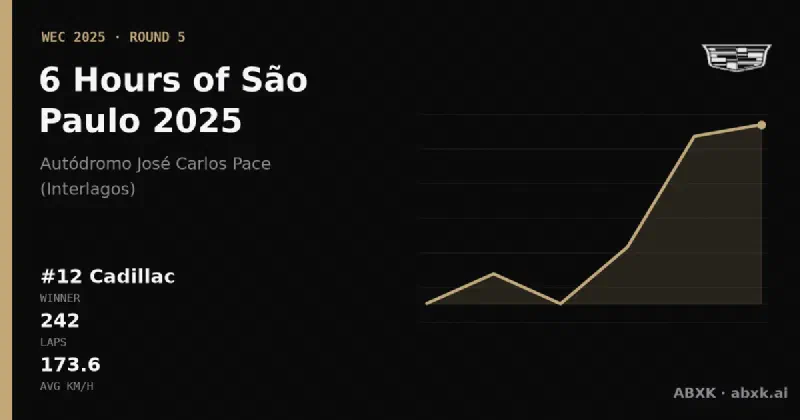
Cadillac wins the 6 Hours of São Paulo 2025 with the #12 Cadillac V-Series.R. Pace order, reliability by class, lead changes and the closing phase in a data check.
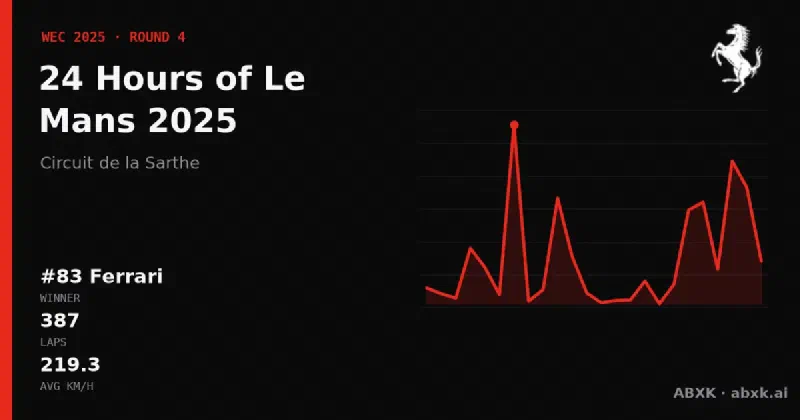
Ferrari wins the 24 Hours of Le Mans 2025 with the #83 Ferrari 499P. Pace order, reliability by class, lead changes and the closing phase in a data check.
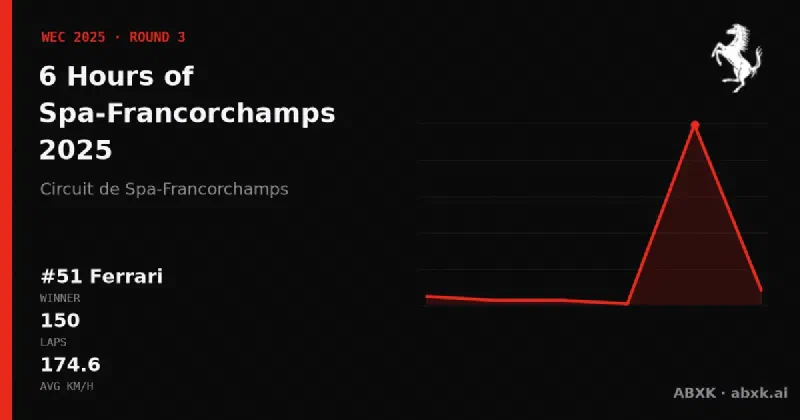
Ferrari wins the 6 Hours of Spa-Francorchamps 2025 with the #51 Ferrari 499P. Pace order, reliability by class, lead changes and the closing phase in a data check.
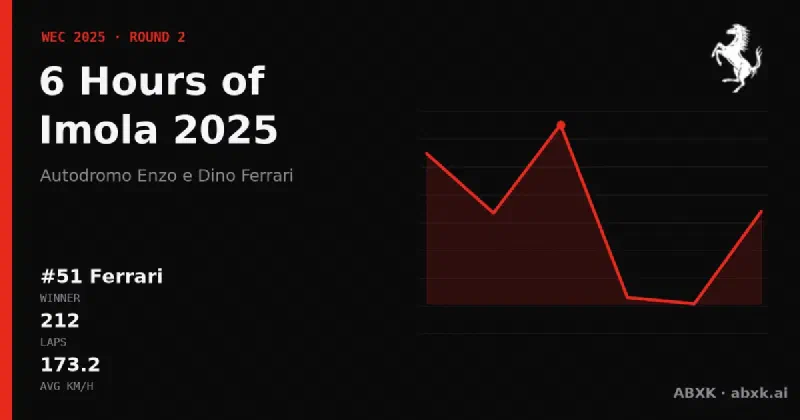
Ferrari wins the 6 Hours of Imola 2025 with the #51 Ferrari 499P. Pace order, reliability by class, lead changes and the closing phase in a data check.
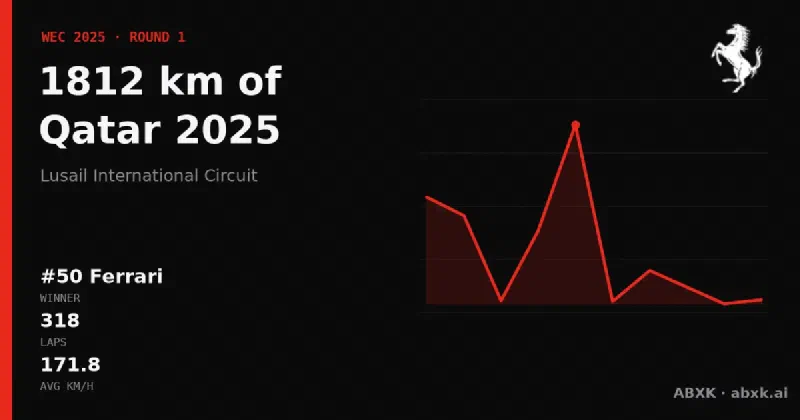
Ferrari wins the 1812 km of Qatar 2025 with the #50 Ferrari 499P. Pace order, reliability by class, lead changes and the closing phase in a data check.
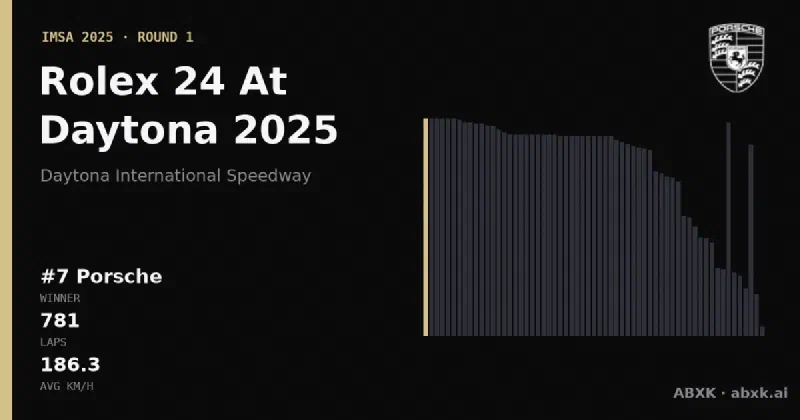
Porsche wins the Rolex 24 At Daytona 2025 with the #7 Porsche 963. Pace order, reliability by class, lead changes and the closing phase in a data check.
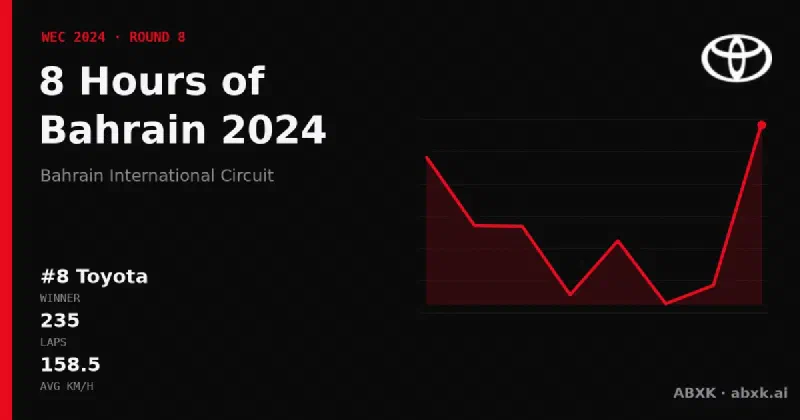
Toyota wins the 8 Hours of Bahrain 2024 with the #8 Toyota GR010 Hybrid. Pace order, reliability by class, lead changes and the closing phase in a data check.
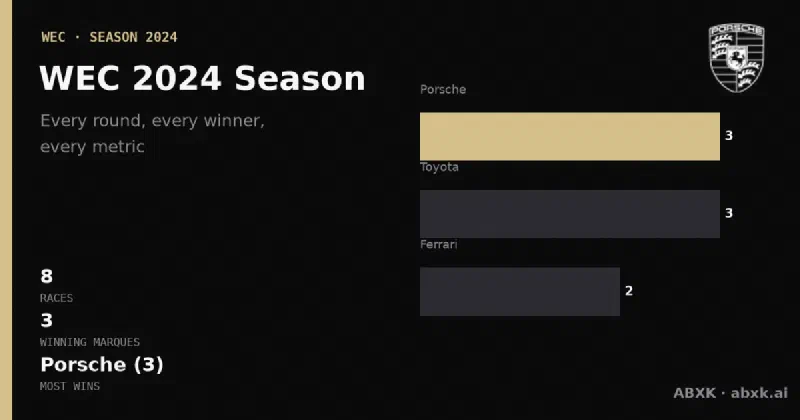
All 8 races of the 2024 WEC season: winners, class winners, distances and manufacturer record. Porsche led with 3 overall wins.
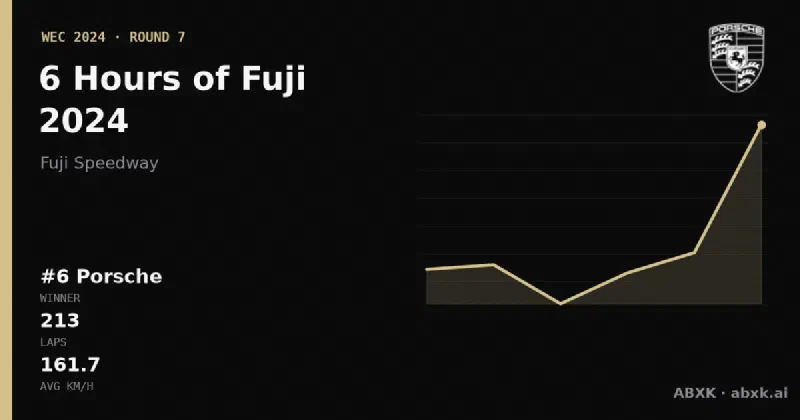
Porsche wins the 6 Hours of Fuji 2024 with the #6 Porsche 963. Pace order, reliability by class, lead changes and the closing phase in a data check.
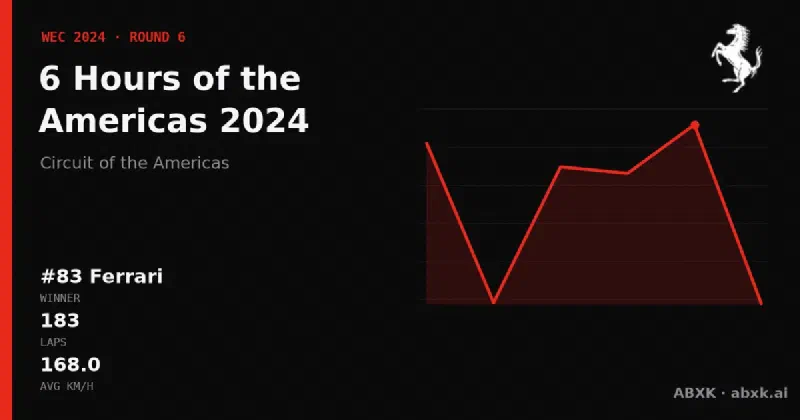
Ferrari wins the 6 Hours of the Americas 2024 with the #83 Ferrari 499P. Pace order, reliability by class, lead changes and the closing phase in a data check.
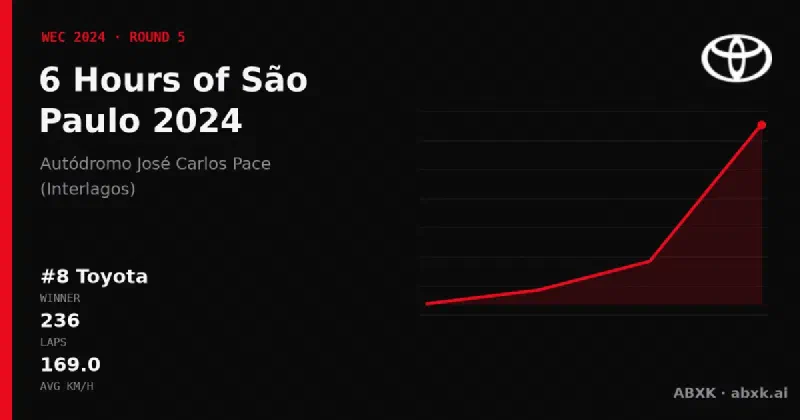
Toyota wins the 6 Hours of São Paulo 2024 with the #8 Toyota GR010 Hybrid. Pace order, reliability by class, lead changes and the closing phase in a data check.
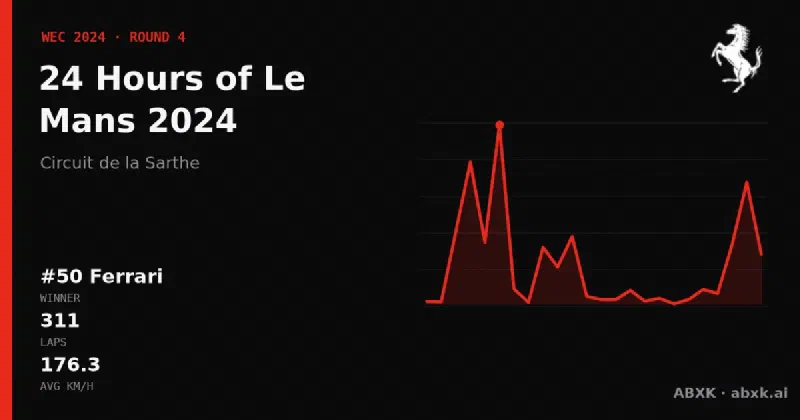
Ferrari wins the 24 Hours of Le Mans 2024 with the #50 Ferrari 499P. Pace order, reliability by class, lead changes and the closing phase in a data check.
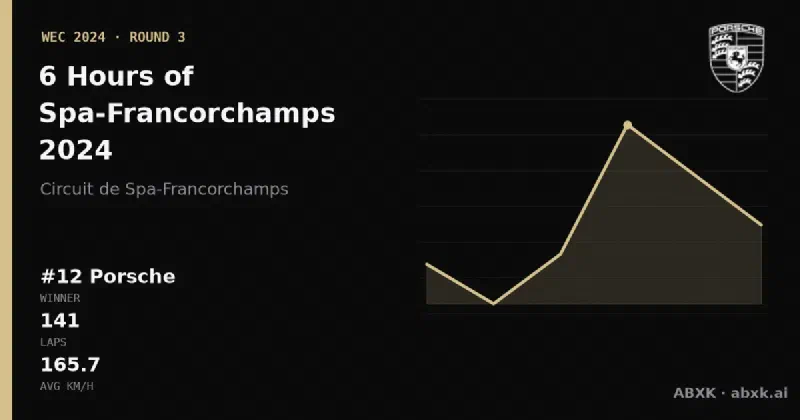
Porsche wins the 6 Hours of Spa-Francorchamps 2024 with the #12 Porsche 963. Pace order, reliability by class, lead changes and the closing phase in a data check.
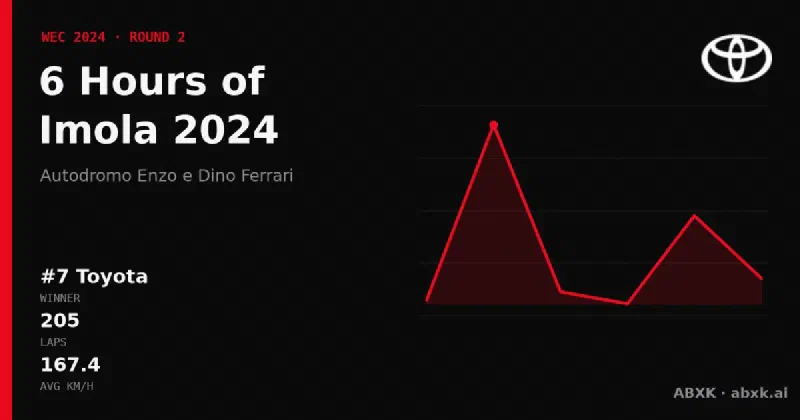
Toyota wins the 6 Hours of Imola 2024 with the #7 Toyota GR010 Hybrid. Pace order, reliability by class, lead changes and the closing phase in a data check.
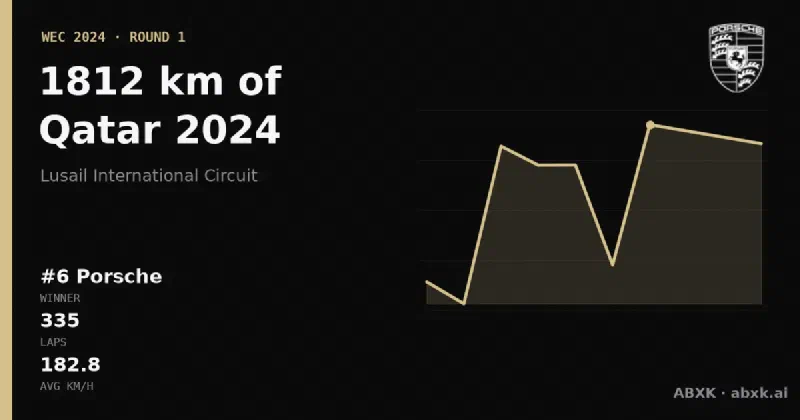
Porsche wins the 1812 km of Qatar 2024 with the #6 Porsche 963. Pace order, reliability by class, lead changes and the closing phase in a data check.
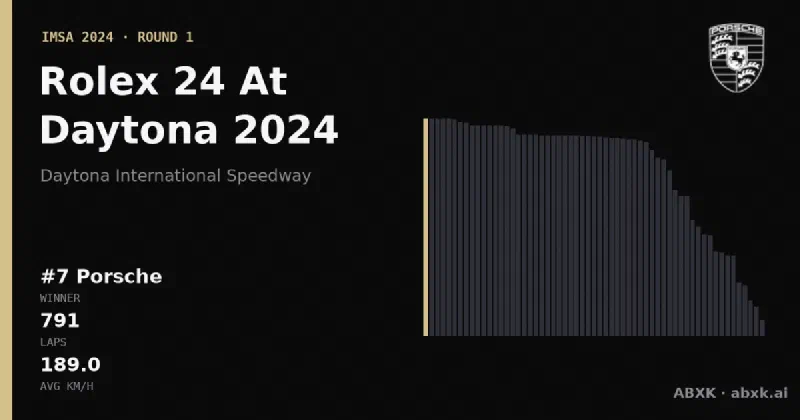
Porsche wins the Rolex 24 At Daytona 2024 with the #7 Porsche 963. Pace order, reliability by class, lead changes and the closing phase in a data check.
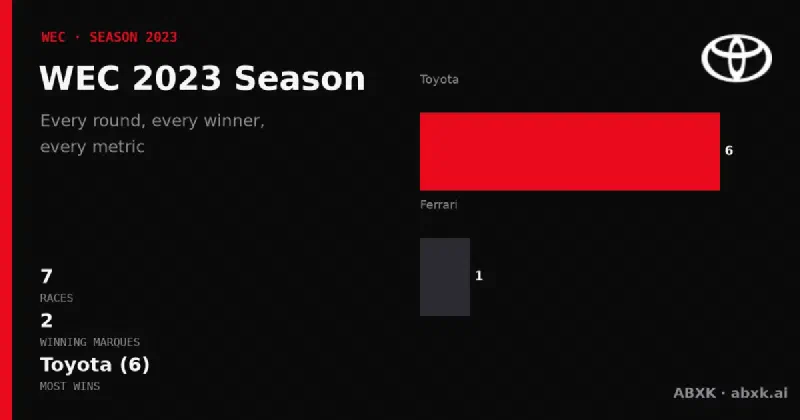
All 7 races of the 2023 WEC season: winners, class winners, distances and manufacturer record. Toyota led with 6 overall wins.
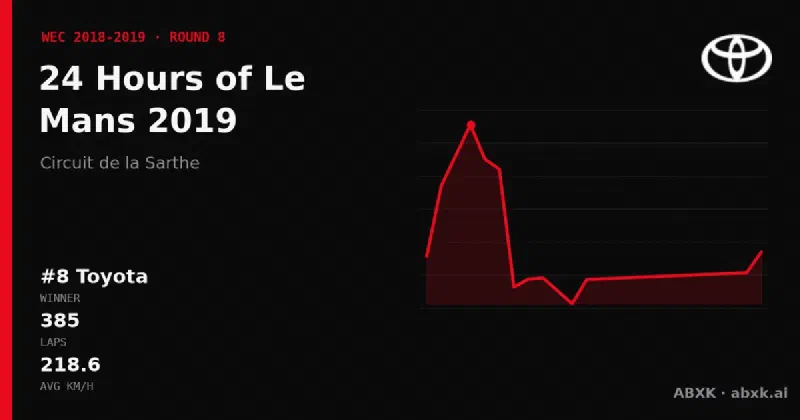
Toyota wins the 24 Hours of Le Mans 2019 with the #8 Toyota TS050 Hybrid. Pace order, reliability by class, lead changes and the closing phase in a data check.
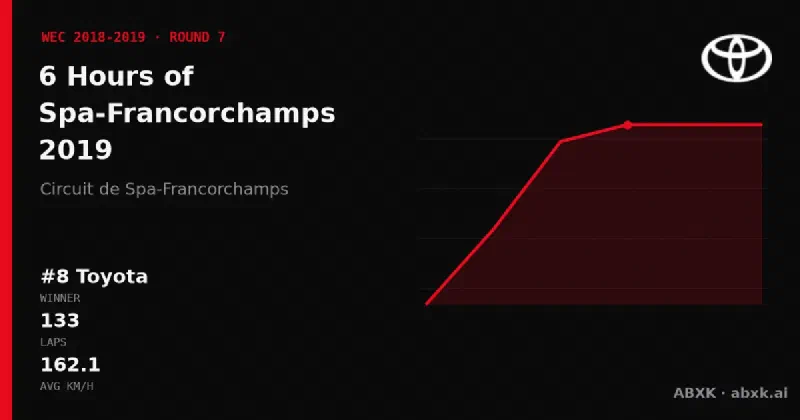
Toyota wins the 6 Hours of Spa-Francorchamps 2019 with the #8 Toyota TS050 Hybrid. Pace order, reliability by class, lead changes and the closing phase in a data check.
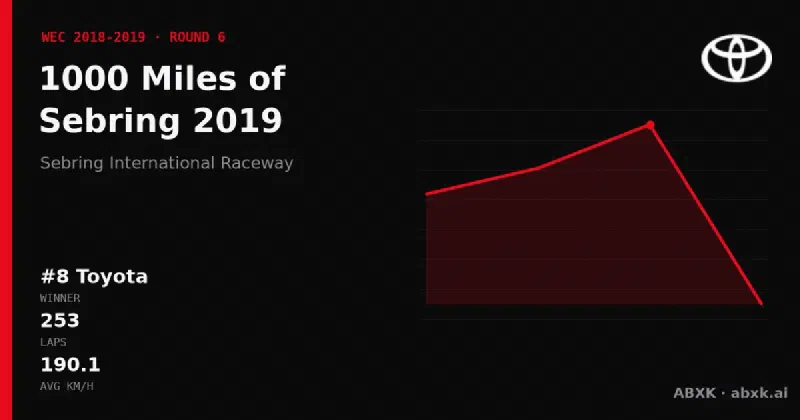
Toyota wins the 1000 Miles of Sebring 2019 with the #8 Toyota TS050 Hybrid. Pace order, reliability by class, lead changes and the closing phase in a data check.
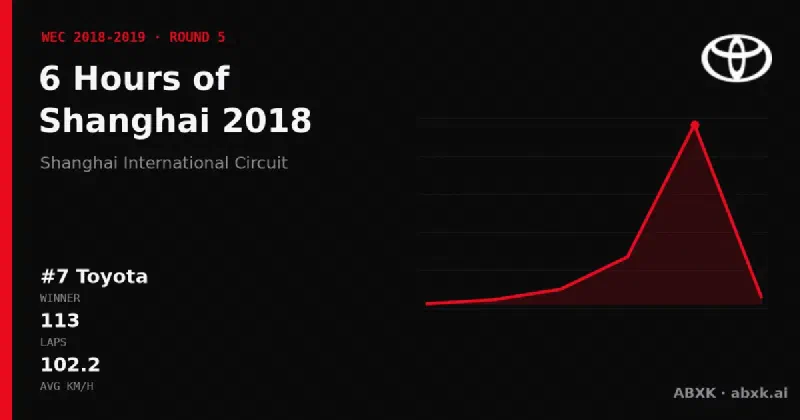
Toyota wins the 6 Hours of Shanghai 2018 with the #7 Toyota TS050 Hybrid. Pace order, reliability by class, lead changes and the closing phase in a data check.
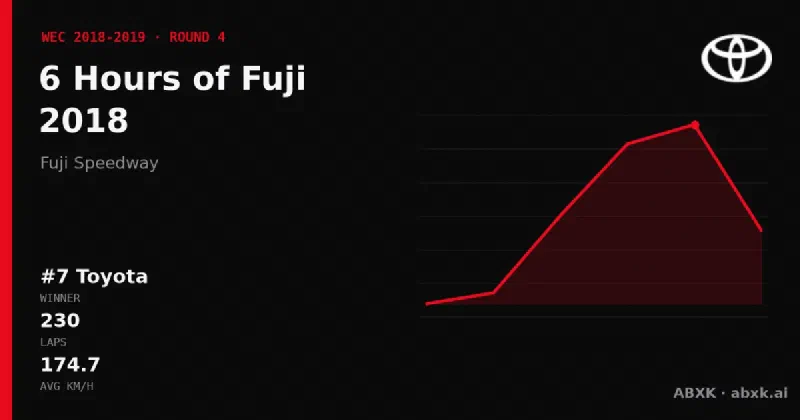
Toyota wins the 6 Hours of Fuji 2018 with the #7 Toyota TS050 Hybrid. Pace order, reliability by class, lead changes and the closing phase in a data check.
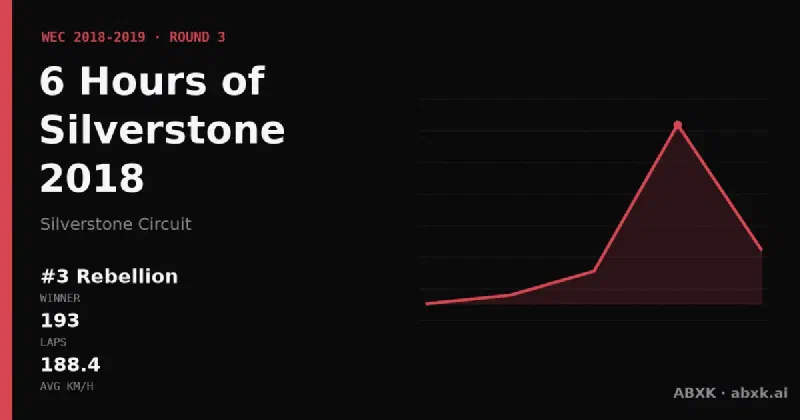
Rebellion wins the 6 Hours of Silverstone 2018 with the #3 Rebellion R13. Pace order, reliability by class, lead changes and the closing phase in a data check.
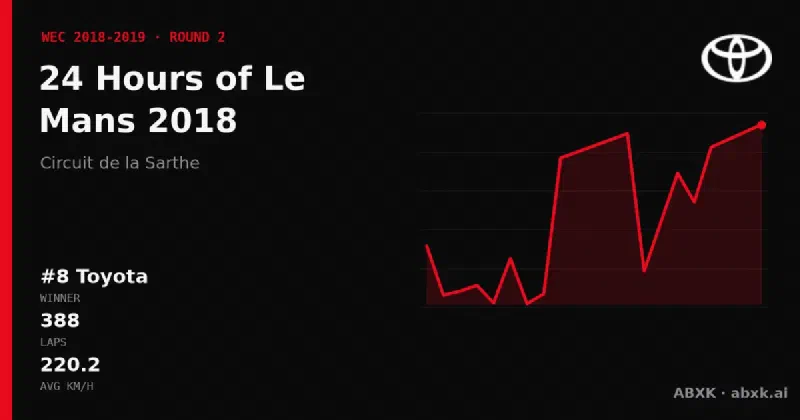
Toyota wins the 24 Hours of Le Mans 2018 with the #8 Toyota TS050 Hybrid. Pace order, reliability by class, lead changes and the closing phase in a data check.
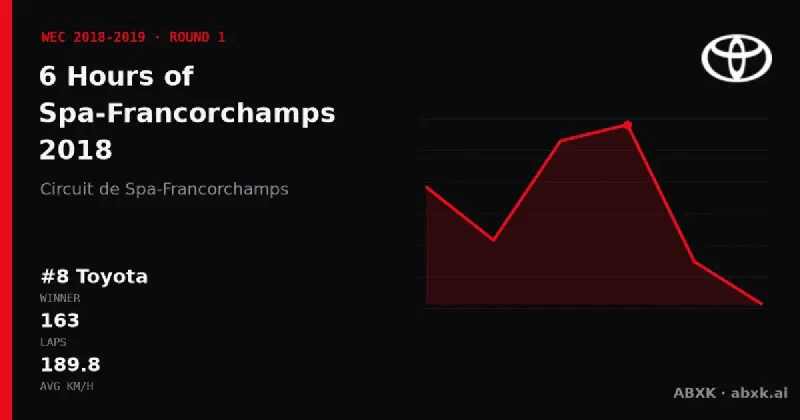
Toyota wins the 6 Hours of Spa-Francorchamps 2018 with the #8 Toyota TS050 Hybrid. Pace order, reliability by class, lead changes and the closing phase in a data check.
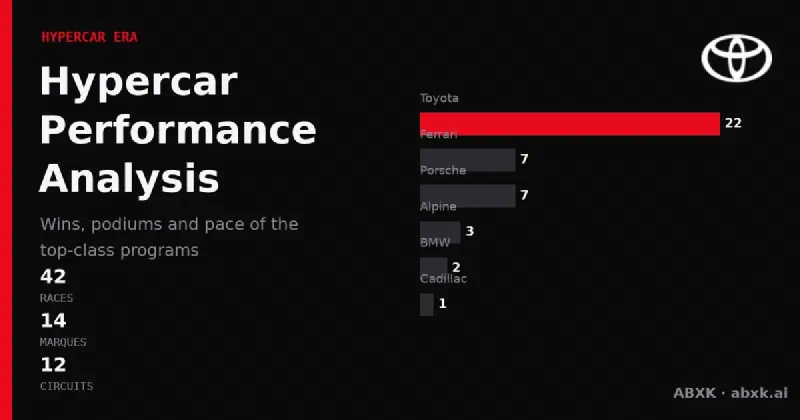
Hypercar performance analysis by the data — every top-class manufacturer at Le Mans and Daytona 2024–2026 ranked by wins, podiums, pace and reliability.
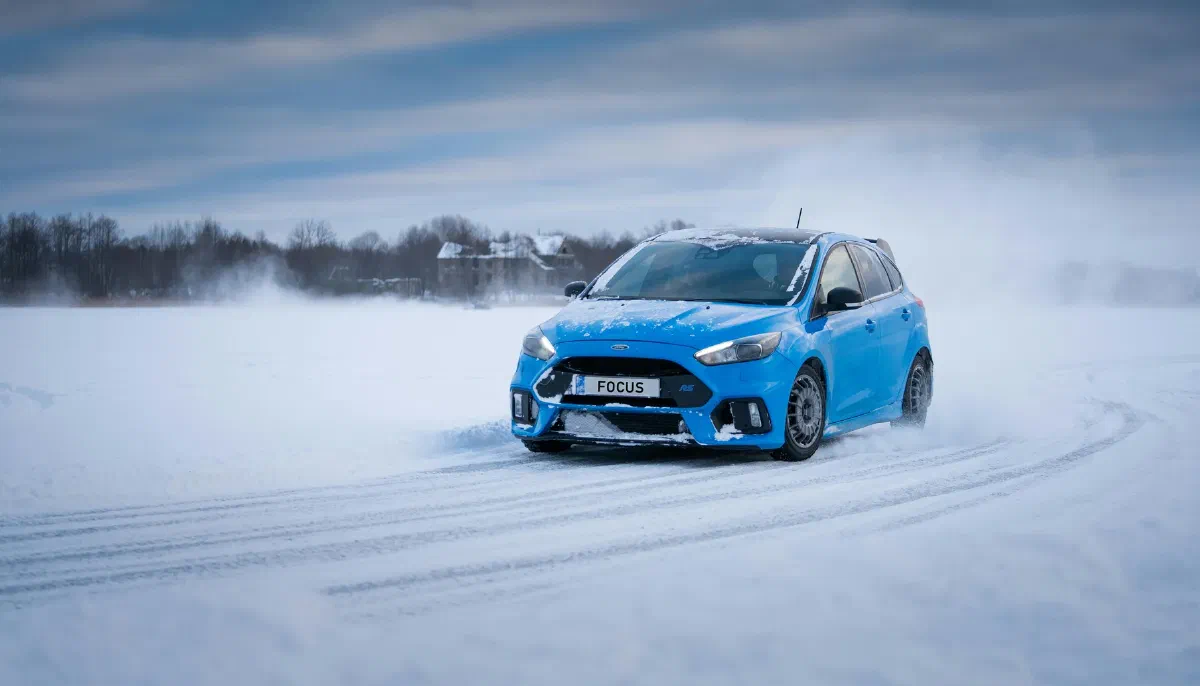
Ice drift training in Sweden, Finland, and Austria. What ice drifting really teaches — and why it elevates every summer trackday season.
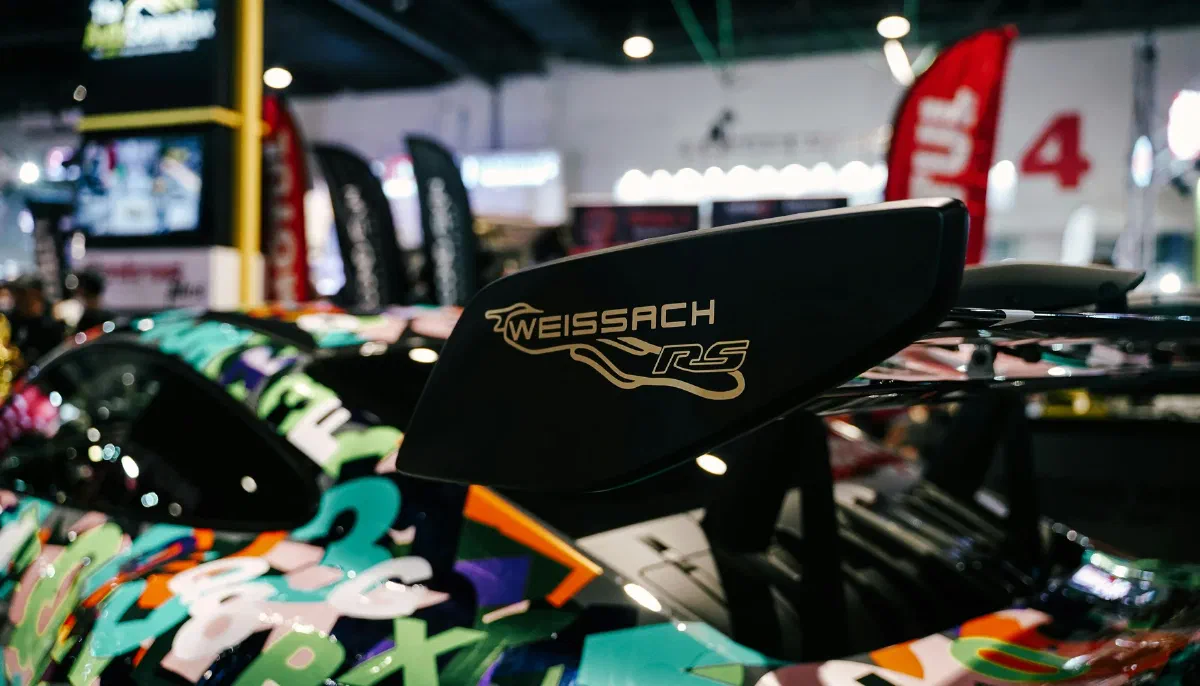
GT programs beyond experience days. GT4, GT3, Porsche Cup, Ferrari Challenge — what sets the classes apart, what they cost, what they demand.
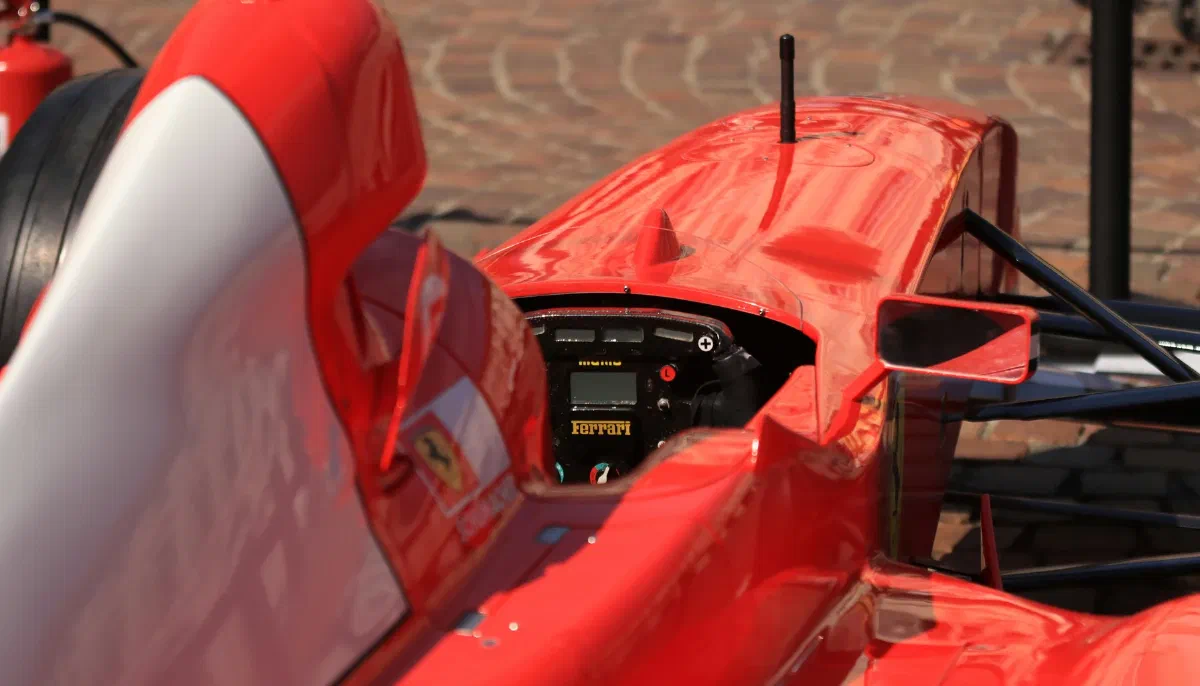
Real formula cars on real circuits. What formula programs deliver, what they cost, who they suit — and which ones ABXK recommends.
BMW and the directly connected manufacturers, series, circuits and drivers. Open in the full graph →