

Audi won the 24 Hours of Le Mans 2014 at Circuit de la Sarthe. The #2 Audi R18 e-tron quattro of Audi Sport Team Joest covered 379 laps over 24 hours, a race distance of 5,164 km. The winning crew: Marcel Fässler, André Lotterer and Benoit Tréluyer. The margin to second place was 3 laps — a clear, controlled win. The quickest manufacturer over one lap was Toyota — but the win went to Audi. Pace and result do not always match.
How the Lead Was Won
Across the race we counted 6 lead changes among 4 different cars in the LMP1 class. At the closest point, first and second were only 5.7 s apart. For 3 of 5 measured hours the gap stayed under 30 seconds.
The leader was never fully out of reach, but the pressure came in waves rather than all race long.
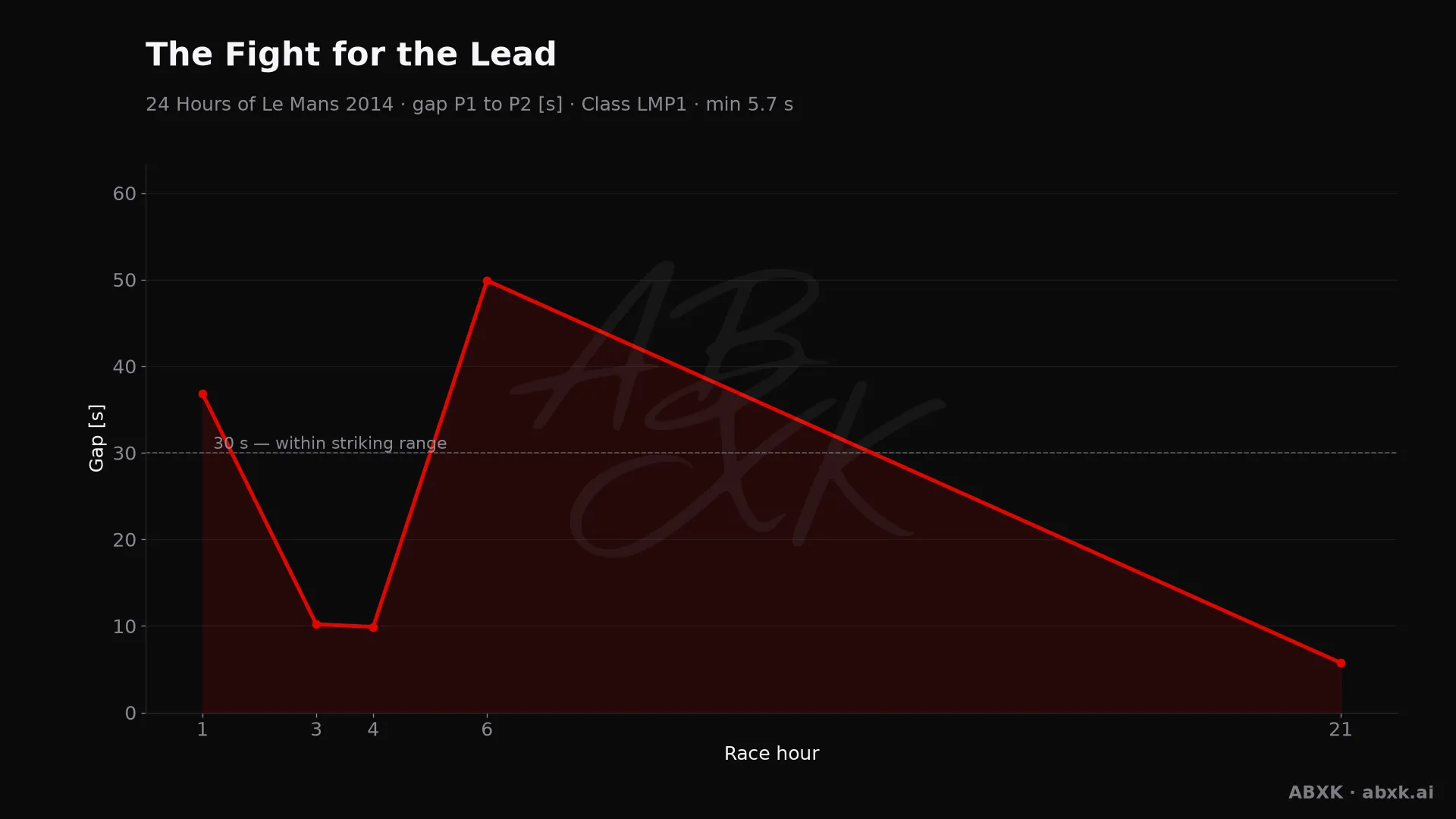
Figure 1 shows how that gap moved over the distance.
Manufacturer Pace
We rank pace by the average of each manufacturer’s fastest lap. That measures real speed over the distance instead of one lucky lap. The order at the top: Toyota (241.6 km/h), Audi (240.8 km/h), Porsche (239.1 km/h).
Between the fastest and the slowest manufacturer in the LMP1 class lie 7.7 km/h. That is a wide spread. At this track, the concept differences show clearly.
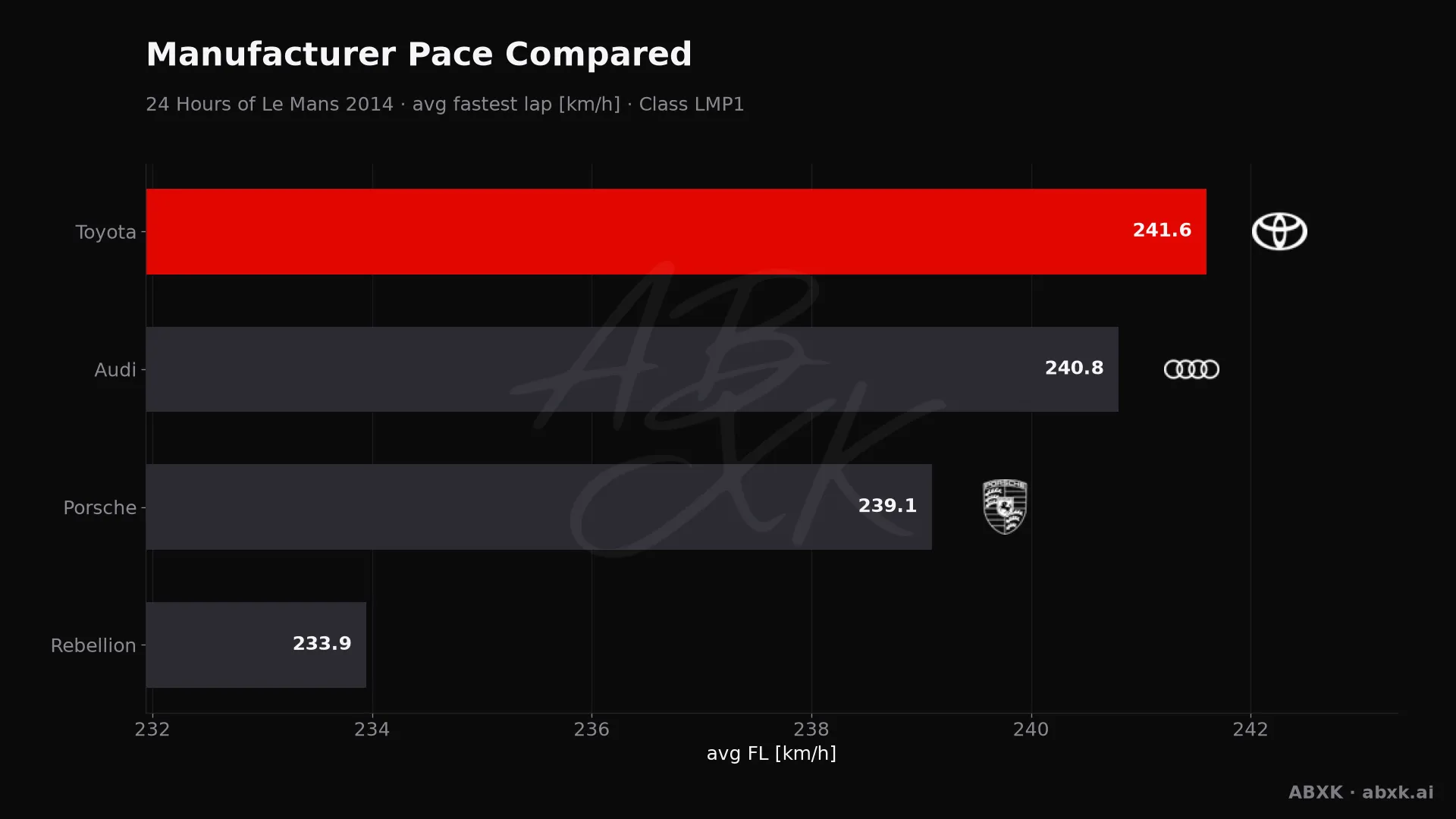
Figure 2 sets the pace order side by side.
Reliability by Class
15 of 53 cars did not make the finish — an overall retirement rate of 28%. The heaviest toll fell on LMP1 with 44%, while LMGTE Am came through best at 22%.
Over this distance, reliability is a result in itself. A car that stops scores nothing, no matter how fast it was.
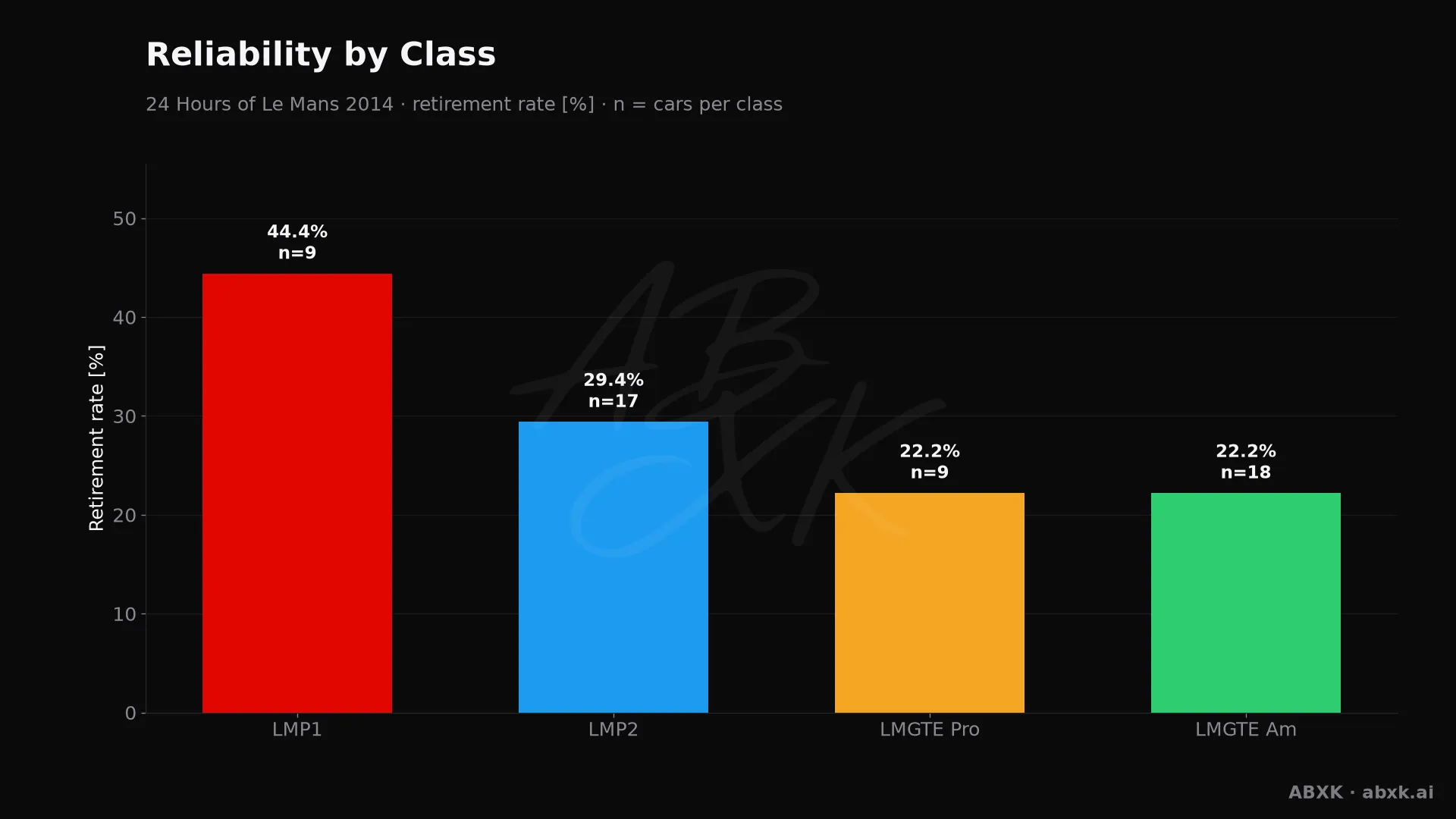
Figure 3 compares the classes directly.
Efficiency Over the Distance
Our efficiency score multiplies average lap speed by laps completed and compares that to the class average. It rewards cars that were fast and stayed out of trouble. A value of 1.000 is exactly class average.
The top score goes to #2 Audi with 1.379. That is the winning car — speed and durability came from the same package.
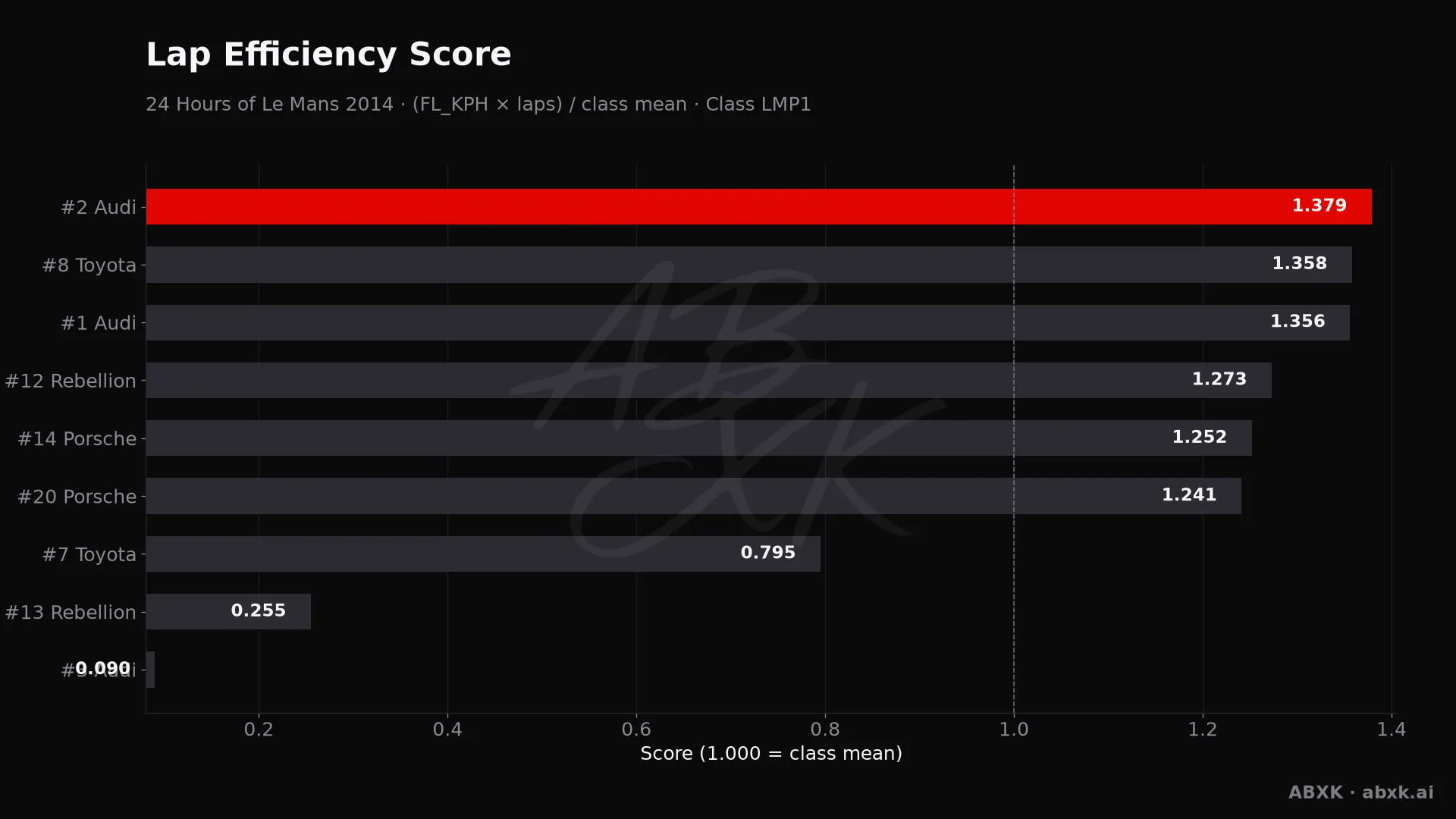
Figure 4 ranks the cars by that score.
Night Versus Day
Top-class cars averaged 238.9 km/h in daylight and 238.9 km/h at night. The difference is 0.01 km/h — faster in daylight.
In other words: no measurable night effect. Darkness costs concentration and makes traffic harder to read, but it does not slow modern prototypes down.
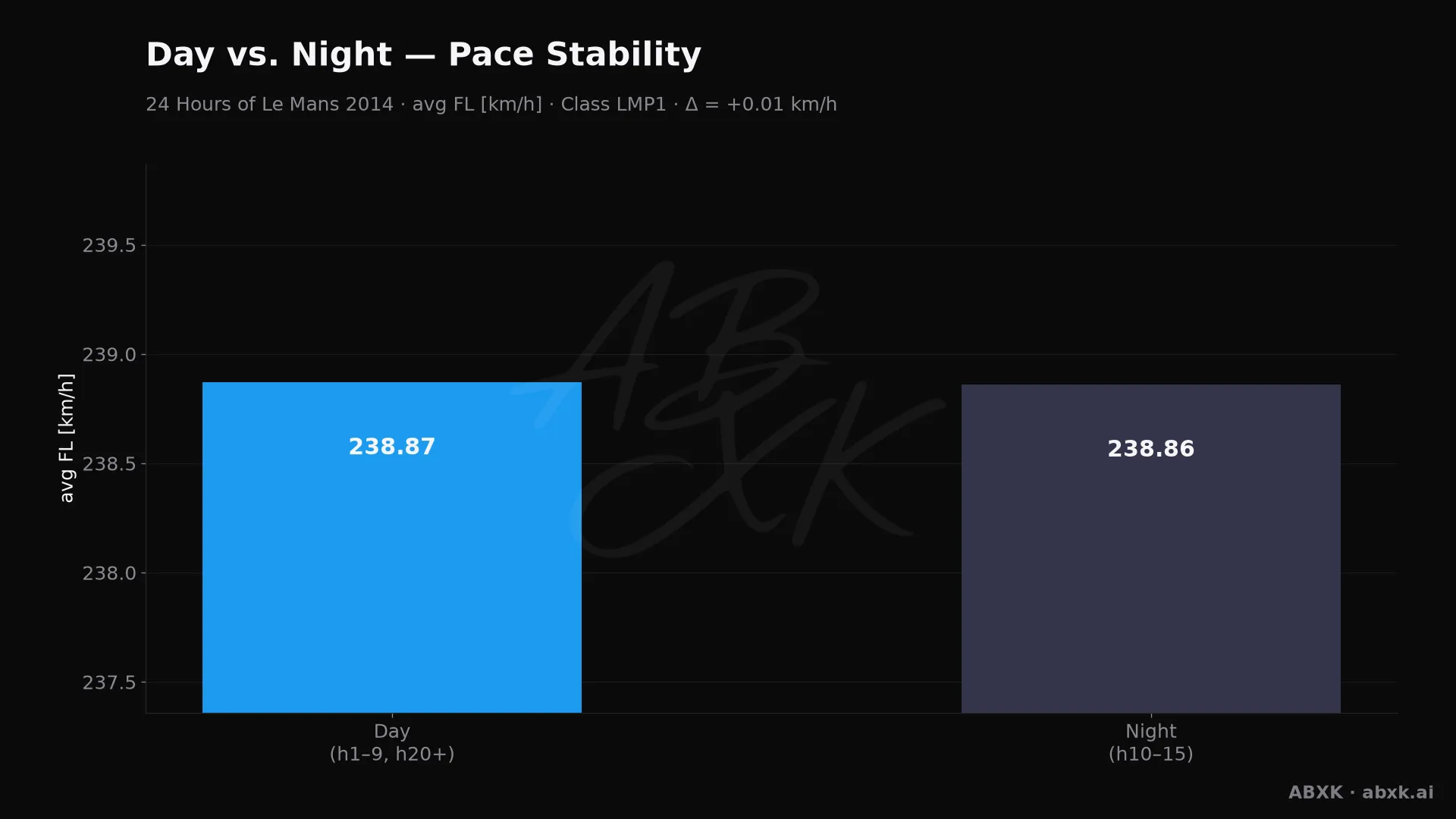
Figure 5 puts both phases next to each other.
The Closing Phase
In the final hour, 74% of the field held position within ±1 place (n = 54). Most of the order was set, but a few fights ran to the end. The biggest single move came from #20 Porsche, 34 places back.
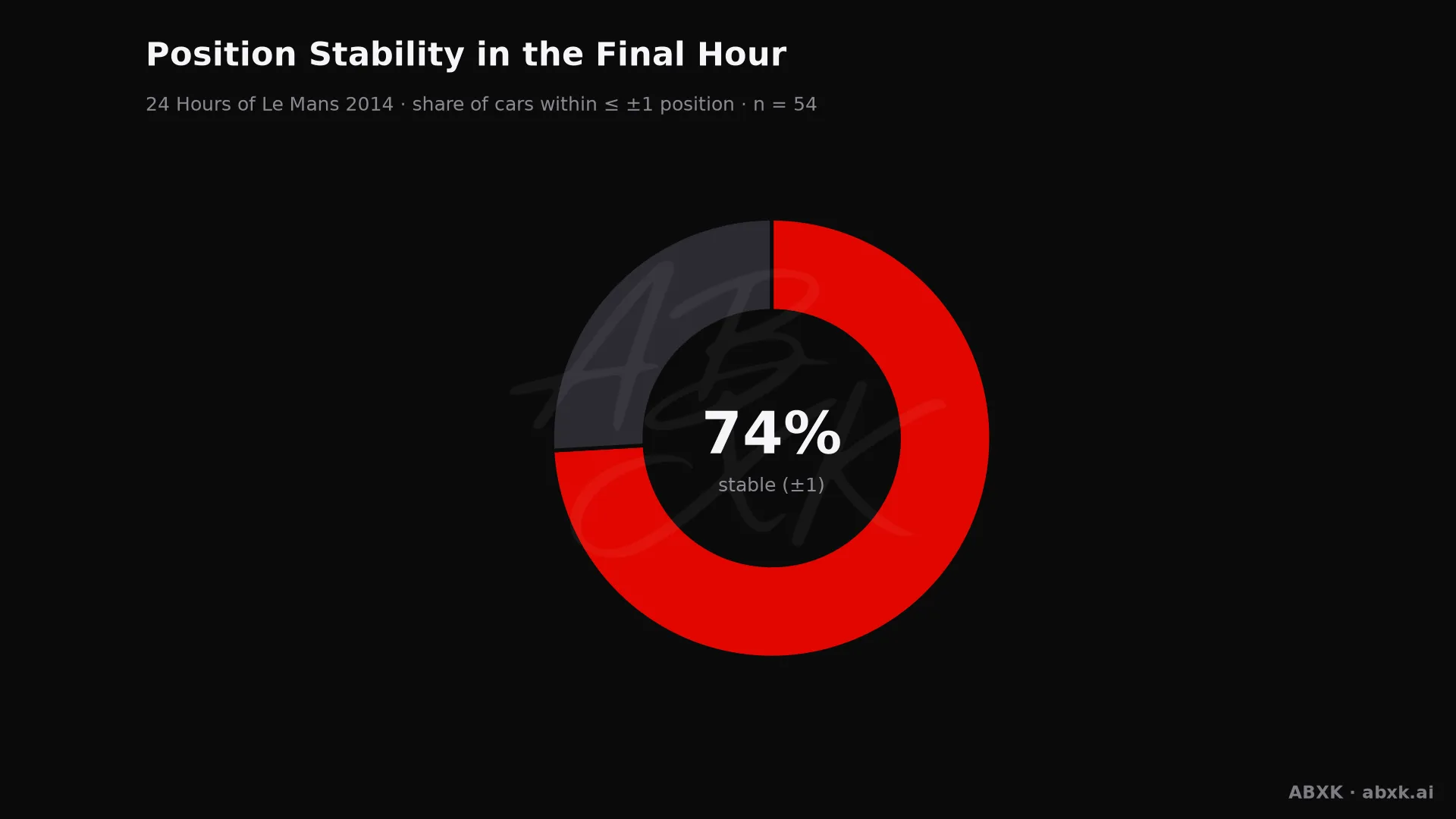
Figure 6 shows how settled the finish really was.
Fastest Lap and Class Gaps
The fastest single lap of the race belongs to #2 Audi (Audi Sport Team Joest): 3:22.567 at 242.2 km/h. Crew: Marcel Fässler, André Lotterer and Benoit Tréluyer.
Between LMP1 and LMP2 sits a pace gap of 14.8 s per lap. That number decides how much traffic the leaders have to work through.
Class winners — LMP1: #2 Audi (Audi Sport Team Joest), LMP2: #38 Zytek (Jota Sport), LMGTE Pro: #51 Ferrari (Ferrari AF Corse), LMGTE Am: #95 Aston Martin (Aston Martin Racing), Garage 56: #0 Nissan (Nissan Motorsports Global).
Putting the Race in Context
The winner averaged 214.9 km/h across 5,164 km. On a 13.626 km lap, that is the pace the whole strategy had to sustain.
We calculate the same metrics for every race in the archive: pace order, reliability by class, lead changes, winning margin, closing stability and efficiency. That makes this race directly comparable with every other round of the 2014 season — and with the seasons before it.
All figures are derived from the full classification of every race hour and are recalculated with each build.


