

Learning path
Learn Physical AI
From “what is physical AI?” to the frontier of robot foundation models: five levels for everyone who wants to understand AI that leaves the screen. The guides explain how vehicles, robots and brain implants sense, decide and act, and they use public data instead of marketing claims: crash reports filed with the US road safety authority, the clinical trial registry of the US National Library of Medicine and Epoch AI’s records of AI models, chips and data centers.
15 guides in 3 levels · Back to Physical AI
The levels
- 0 Start here What physical AI is: how machines sense, decide and act in the real world, from cars to brain implants. 5 guides
- 1 Beginner The building blocks, with our own experiments: feedback control, localization, where self-driving cars operate, brain signals and AI chips. 5 guides
- 2 Intermediate How the systems work, with our own experiments: building maps, planning routes on a real street map, steering, training in simulation and decoding brain signals. 5 guides
Level 0 · Start here
What physical AI is: how machines sense, decide and act in the real world, from cars to brain implants.
Level 0 · Part 1
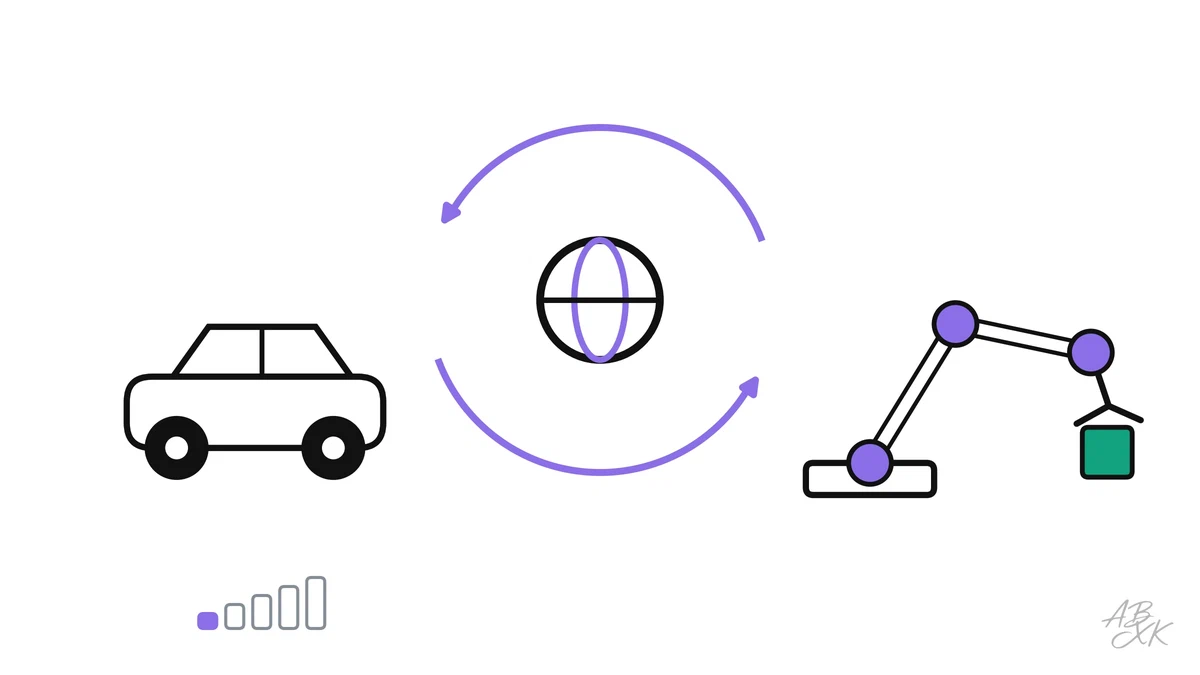
What Is Physical AI? Machines That Sense, Decide and Act
Physical AI explained: how machines sense, decide and act in the real world, from robotaxis to robot arms and brain implants, and why it is harder than a chatbot.
Level 0 · Part 2
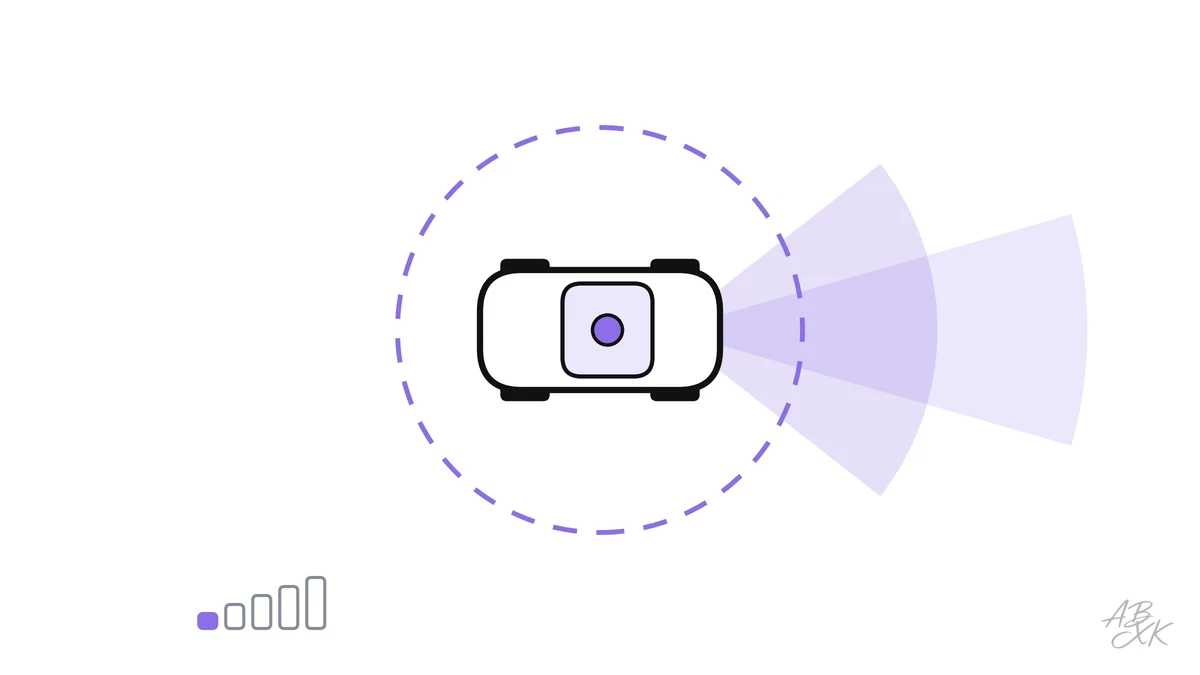
How Self-Driving Cars See the Road: Cameras, Radar and Lidar
How self-driving cars work: the SAE levels, what cameras, radar and lidar each see, how software turns sensor data into steering and what crash reports show.
Level 0 · Part 3
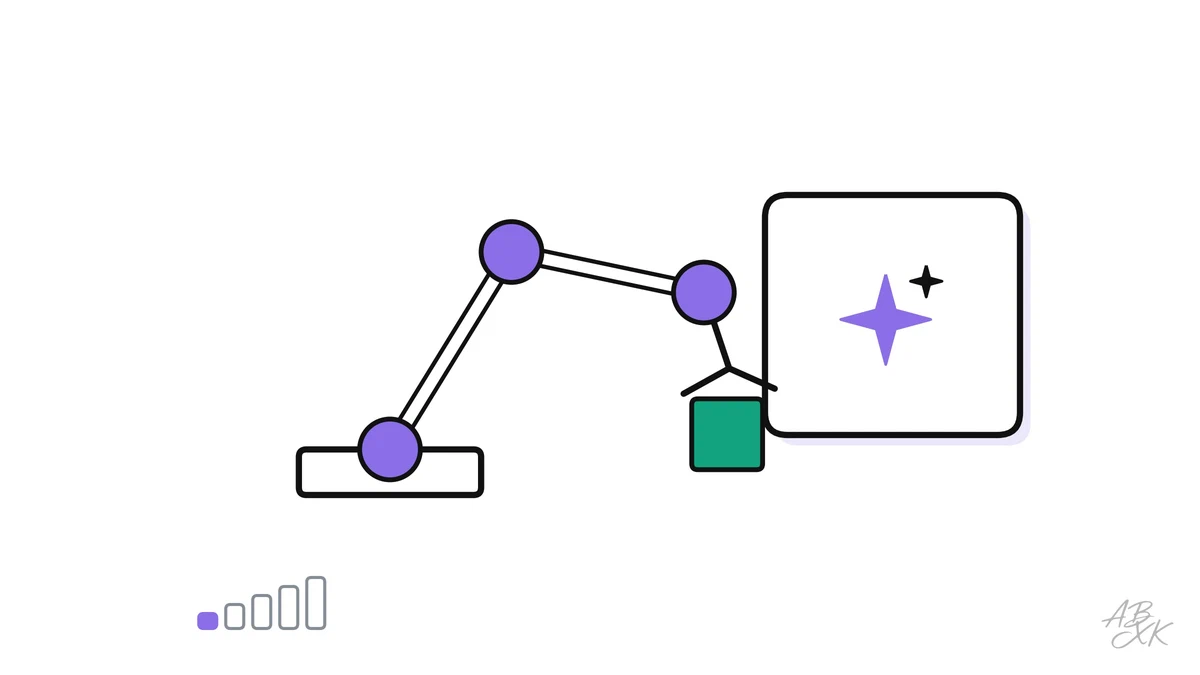
How Robots Learn to Grasp and Walk
How robots learn: from programmed factory arms to demonstrations, practice in simulation and foundation models that turn images and words into movements.
Level 0 · Part 4
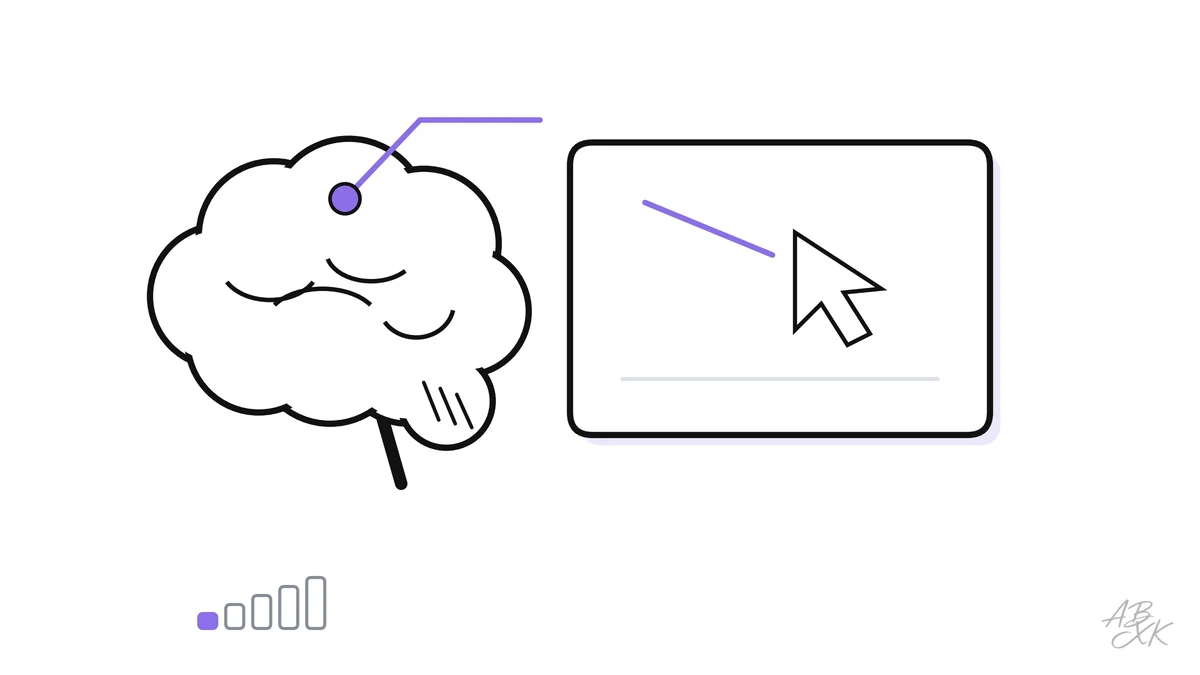
How Brain-Computer Interfaces Turn Brain Signals into Commands
How a brain-computer interface works: from neurons and electrodes to the AI decoder that turns brain signals into cursor movements, text or speech.
Level 0 · Part 5
What Powers AI: Chips, Data Centers, Electricity and Water
What powers AI: why it runs on special chips, what is inside an AI data center, how much electricity the largest sites draw and why power has become the bottleneck.
Level 1 · Beginner
The building blocks, with our own experiments: feedback control, localization, where self-driving cars operate, brain signals and AI chips.
Level 1 · Part 1
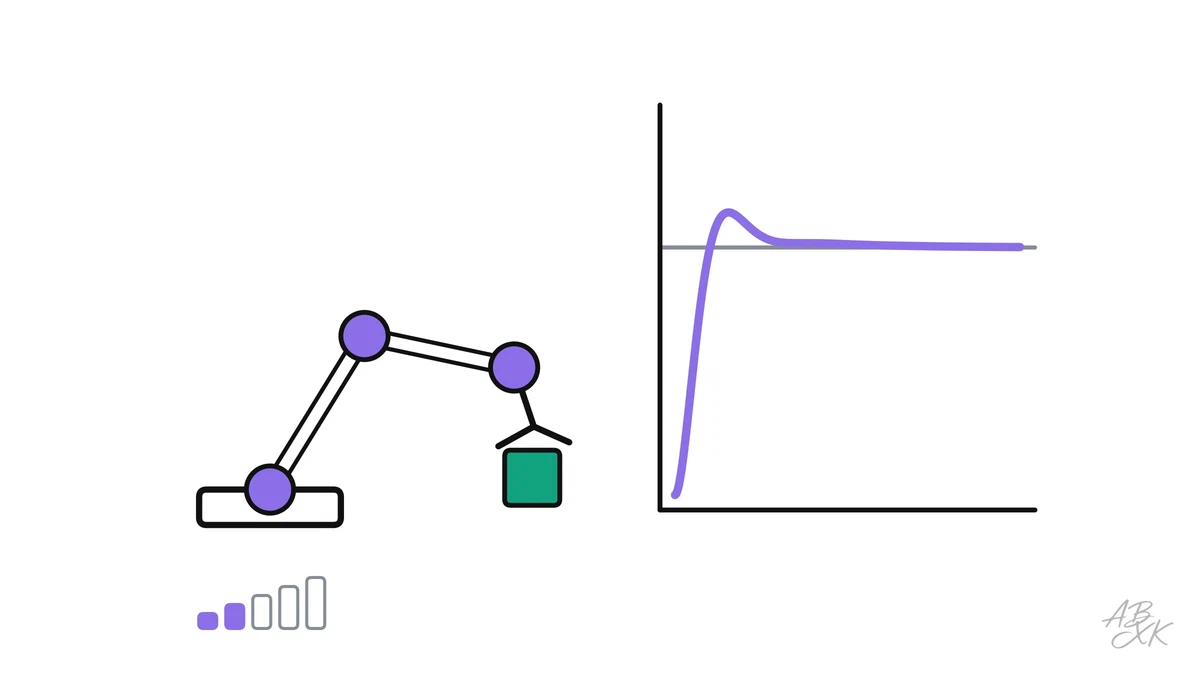
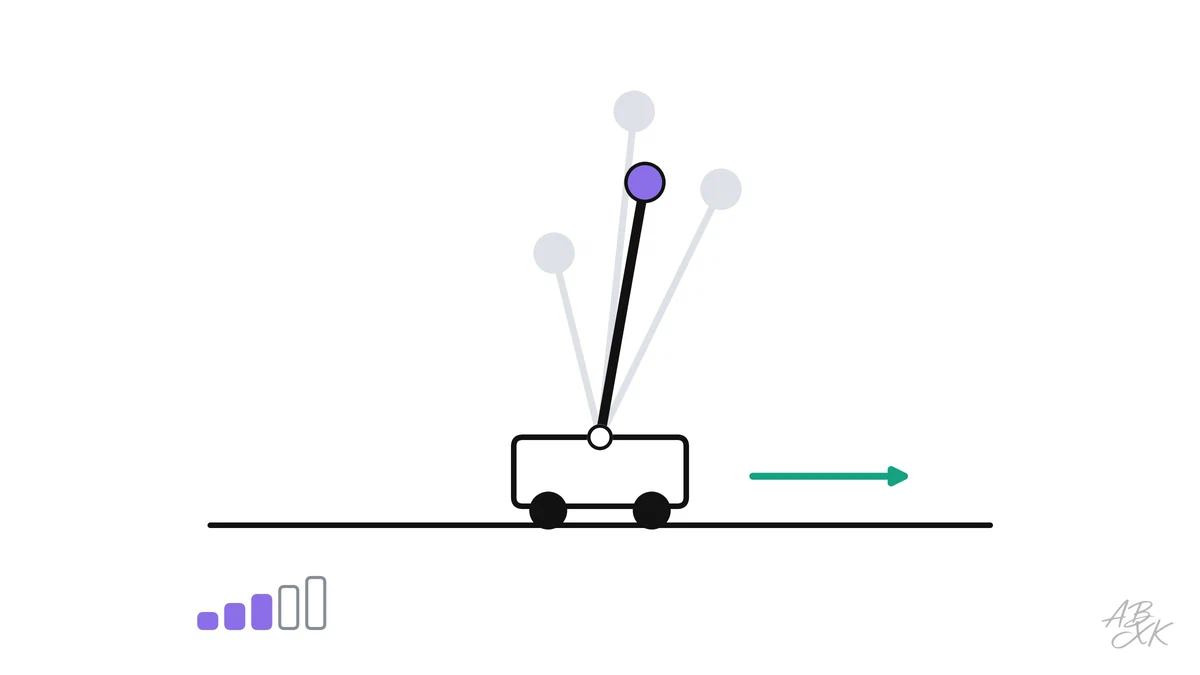
How Machines Move: Feedback Control Explained with a Simulation
How robots turn a decision into smooth motion: feedback loops and PID control, tested in our own simulation, and why a small delay can make a machine unstable.
Level 1 · Part 2
How a Robot Knows Where It Is: Odometry, GPS and Sensor Fusion
Why robots and self-driving cars combine sensors to know their position, shown in our simulation: wheel odometry drifts, GPS jumps, a Kalman filter fuses both.
Level 1 · Part 3
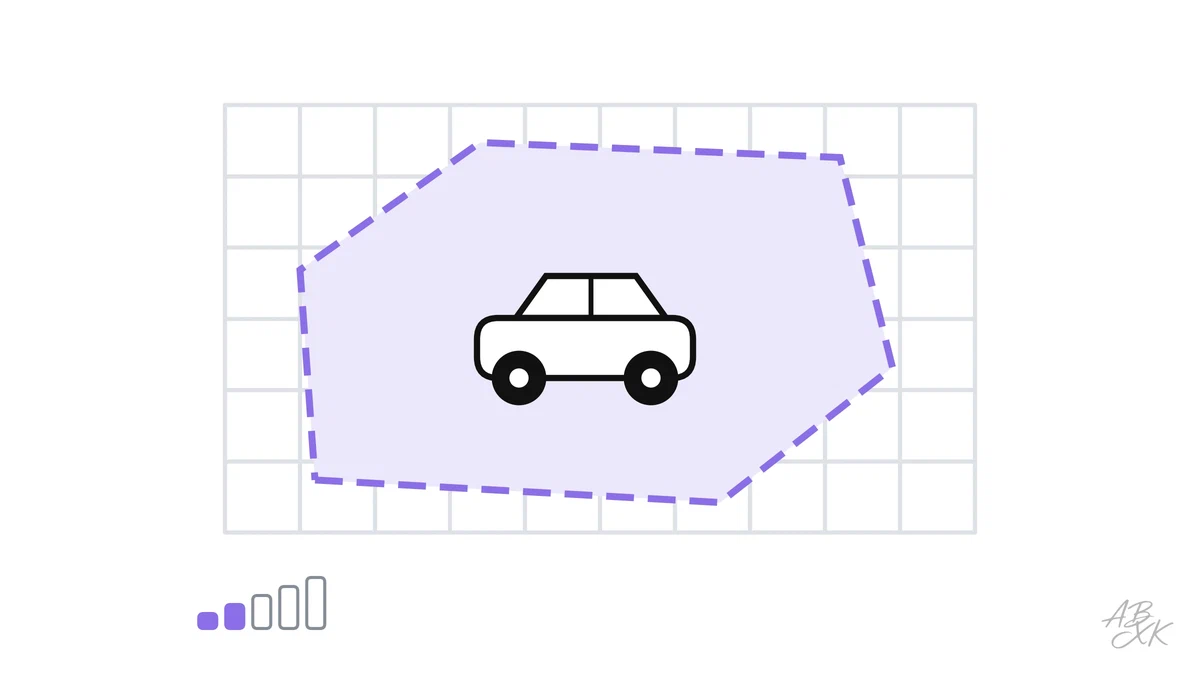
Where Self-Driving Cars Drive: The Operational Design Domain
Self-driving cars only drive where they were designed to. What the operational design domain is and what US crash reports show about cities, roads, weather and time.
Level 1 · Part 4
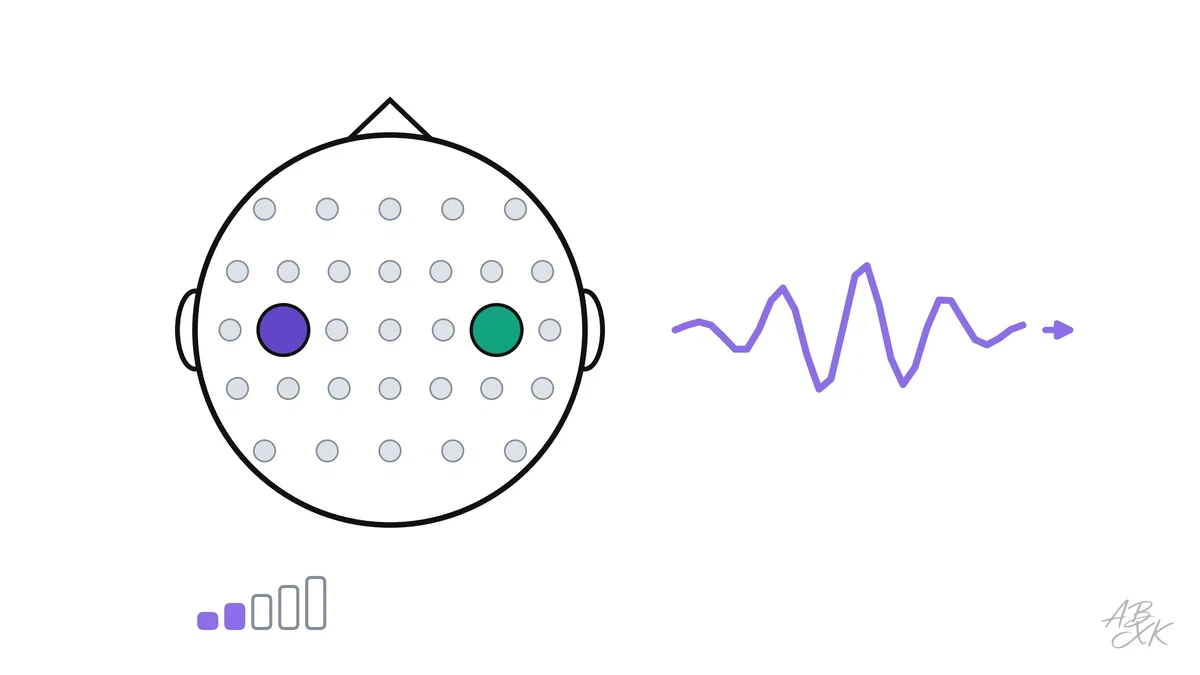
Reading Brain Signals: What an EEG Can and Cannot Decode
Can a computer tell from an EEG whether someone imagines moving the left or the right hand? Our test on public recordings: it works for some people, not for most.
Level 1 · Part 5
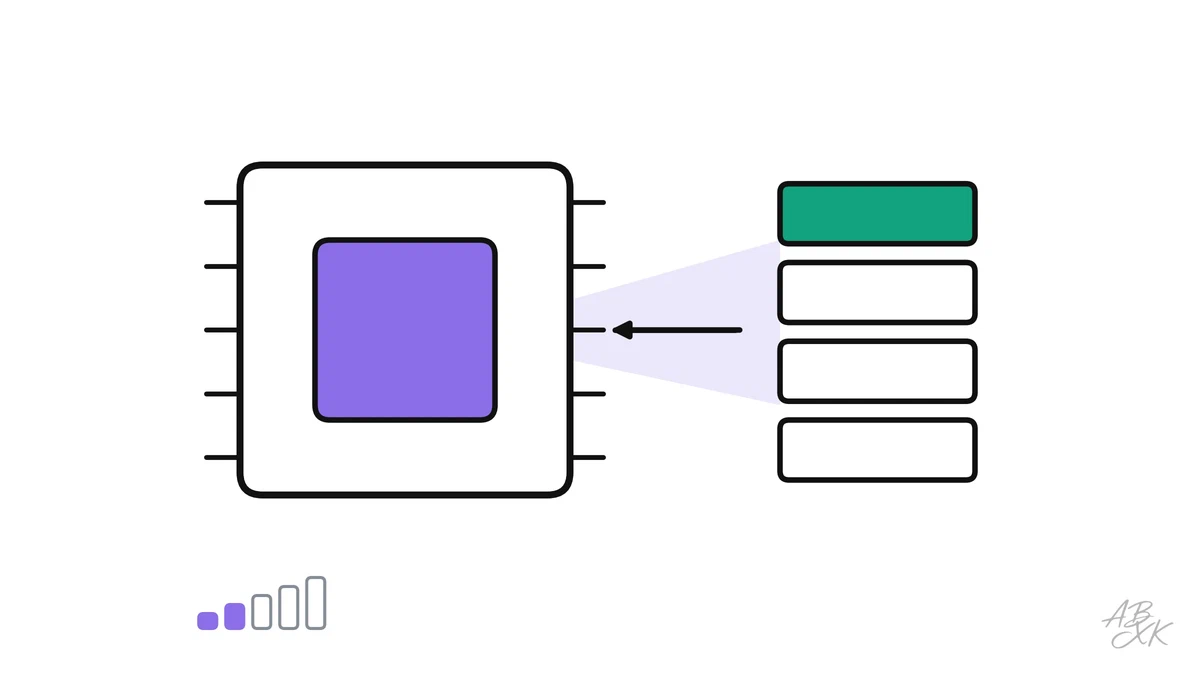
Inside AI Chips: Compute, Memory and the Memory Wall
What the numbers of an AI chip mean, why memory bandwidth grows slower than compute and why AI answers faster when many users share a chip, with Epoch AI data.
Level 2 · Intermediate
How the systems work, with our own experiments: building maps, planning routes on a real street map, steering, training in simulation and decoding brain signals.
Level 2 · Part 1
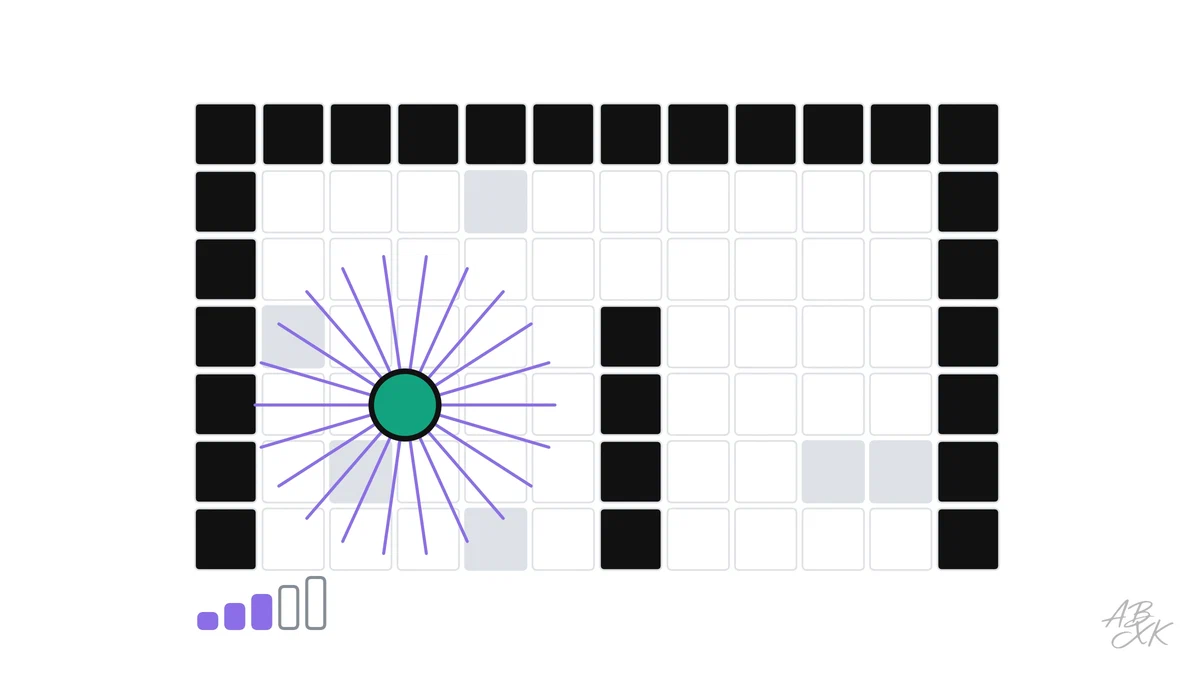
How Robots Build a Map: Lidar Scans and Occupancy Grids
How a robot turns lidar scans into a map of free space and walls, shown in our simulation, and why the map falls apart as soon as the robot's position drifts.
Level 2 · Part 2
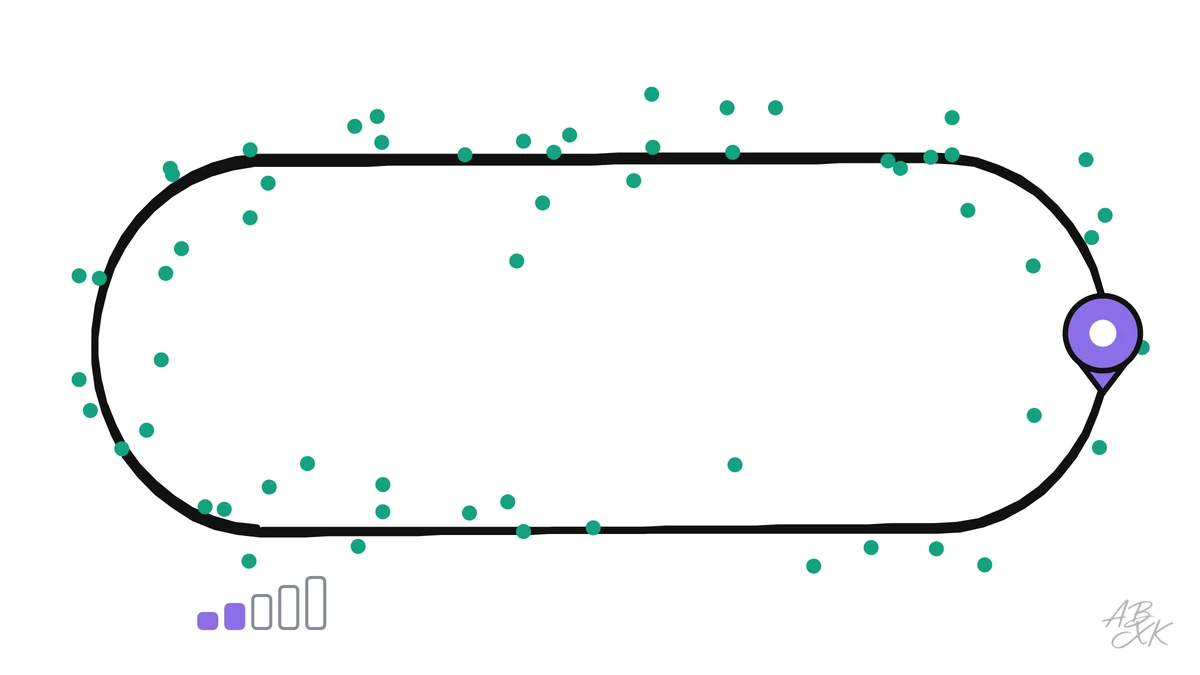
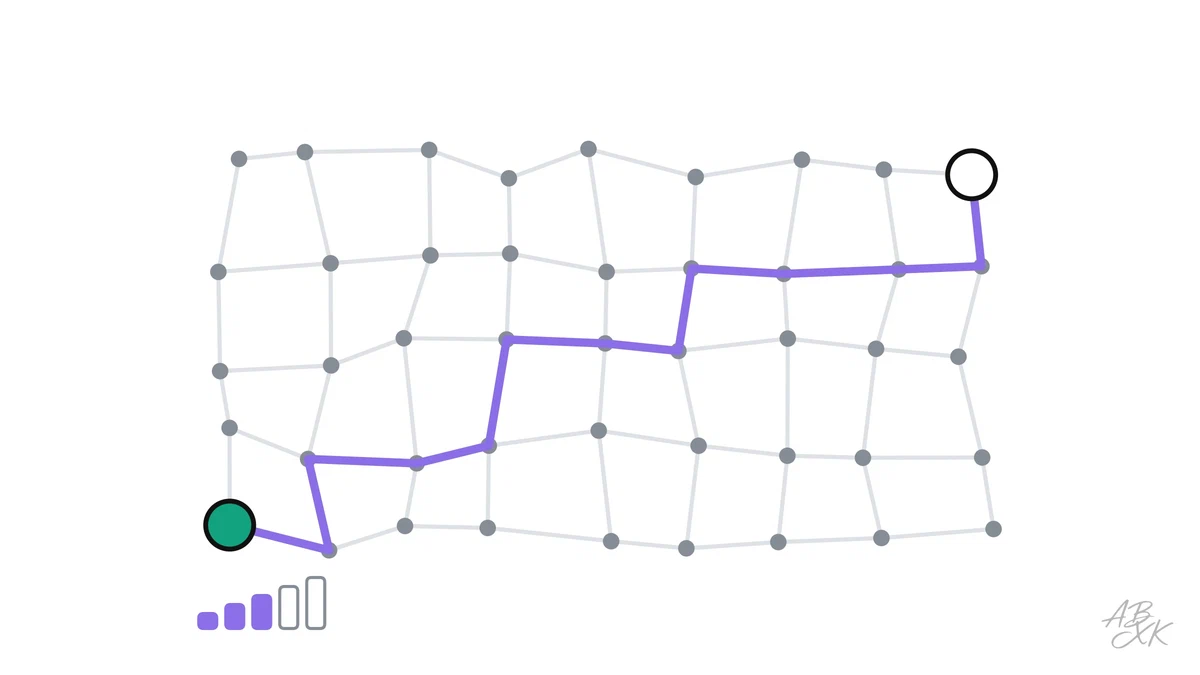
How a Robot Finds Its Route: Dijkstra and A* on a Real Street Map
How navigation systems and robots find the shortest route, tested on the real street network of San Francisco: why A* checks far fewer places than Dijkstra.
Level 2 · Part 3
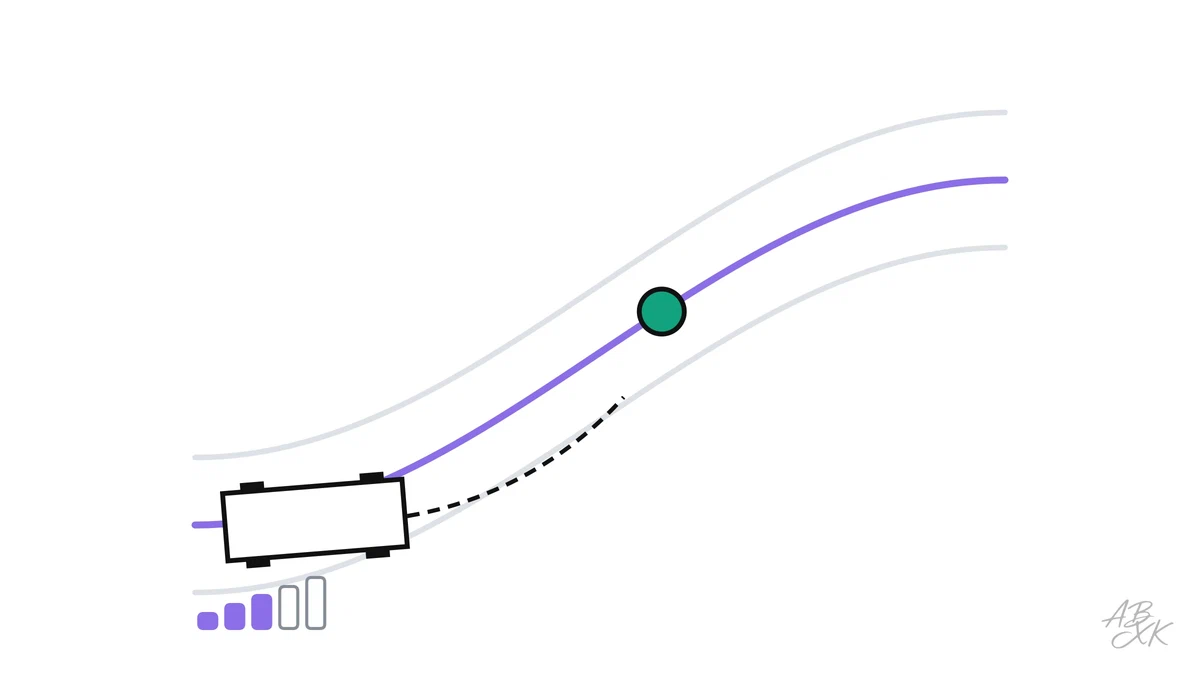
Staying on the Path: How a Self-Driving Car Steers
How a self-driving car follows its planned path, shown with the pure pursuit method in our simulation: why the right look-ahead distance depends on the speed.
Level 2 · Part 4
Trained in Simulation: Why Robots Need Messy Practice Worlds
Robots learn in simulation, but reality is messier. Our experiment shows how training in many random practice worlds helps a robot survive delays and noise.
Level 2 · Part 5
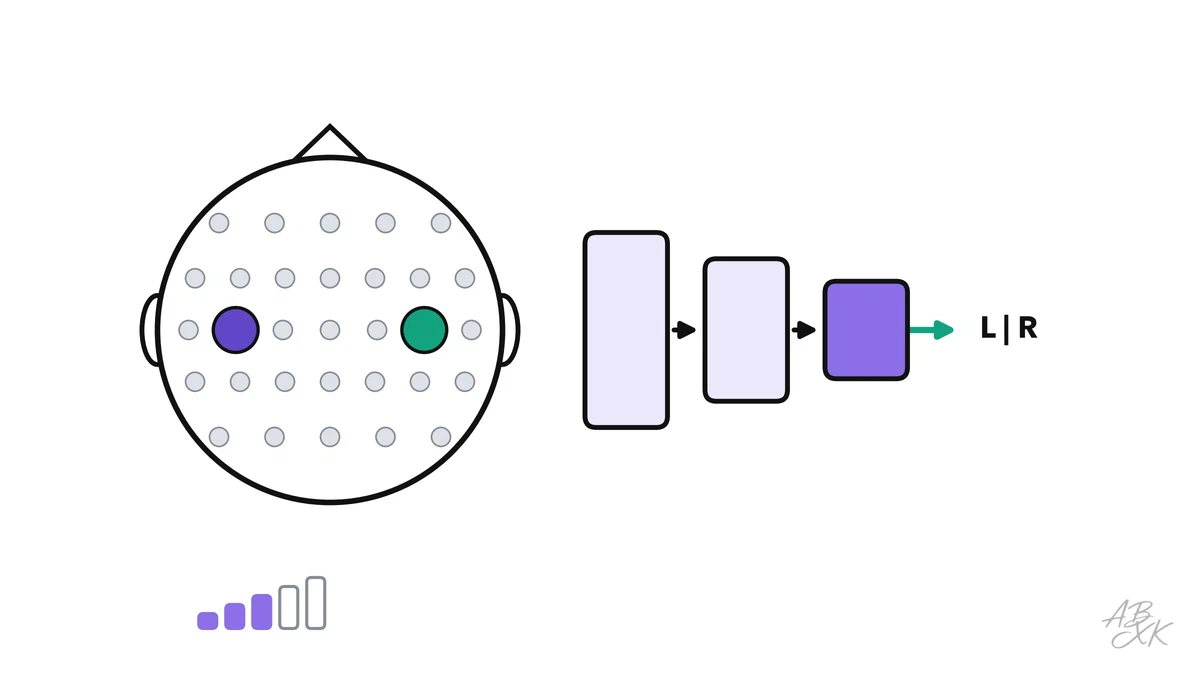
Inside a Brain Decoder: Electrodes, Training Data and Other People
What makes a decoder for brain signals better: more electrodes, more training, other people's data or real movement? Four tests on EEG recordings of 106 people.
Tools and data for this path
Data and guides in Physical AI Compare all tools 343 language models in the LLM database