

Learning path
Learn AI at Work
How companies use AI in sales, customer service, marketing, e-commerce and operations — from the first ground rules to strategy, governance and return on investment. Each level builds on the one before, and every guide points to the business tools in our comparison.
25 guides in 5 levels · Back to AI Work
The five levels
- 0 Start here No prior knowledge needed: what AI does, the key terms and your first steps. 5 guides
- 1 Beginner First real tasks with AI tools: simple techniques that work right away. 5 guides
- 2 Intermediate Workflows instead of single prompts: combine tools and check the quality. 5 guides
- 3 Advanced Automate, integrate and measure: AI as part of your systems. 5 guides
- 4 Expert Strategy, architecture and evaluation at the level of specialists. 5 guides
Level 0 · Start here
No prior knowledge needed: what AI does, the key terms and your first steps.
Level 0 · Part 1
What AI Changes at Work: Tasks, Not Jobs
AI rarely takes over a whole job. It changes tasks: drafting, summarizing, sorting, answering. See what shifts at work, what stays human and what to expect.
Level 0 · Part 2
AI Across the Business: A Map of Departments
Where AI helps in sales, customer service, marketing, e-commerce and operations: typical use cases, the data each one needs and example tools.
Level 0 · Part 3
Assistant, Automation, Agent: Three Levels of AI Help
Assistant, automation or agent? The three levels of AI help at work, with examples, their typical risks and the controls each level needs.
Level 0 · Part 4
Why AI Needs Good Business Data
AI tools at work are only as good as your data. Learn the signs of good data, how to clean up your CRM and how to prepare documents for bots.
Level 0 · Part 5
Ground Rules for Using AI at Work
Ground rules for AI at work: approved tools, no confidential data, checked results, disclosure, copyright and accountability, plus a one-page policy.

Level 1 · Beginner
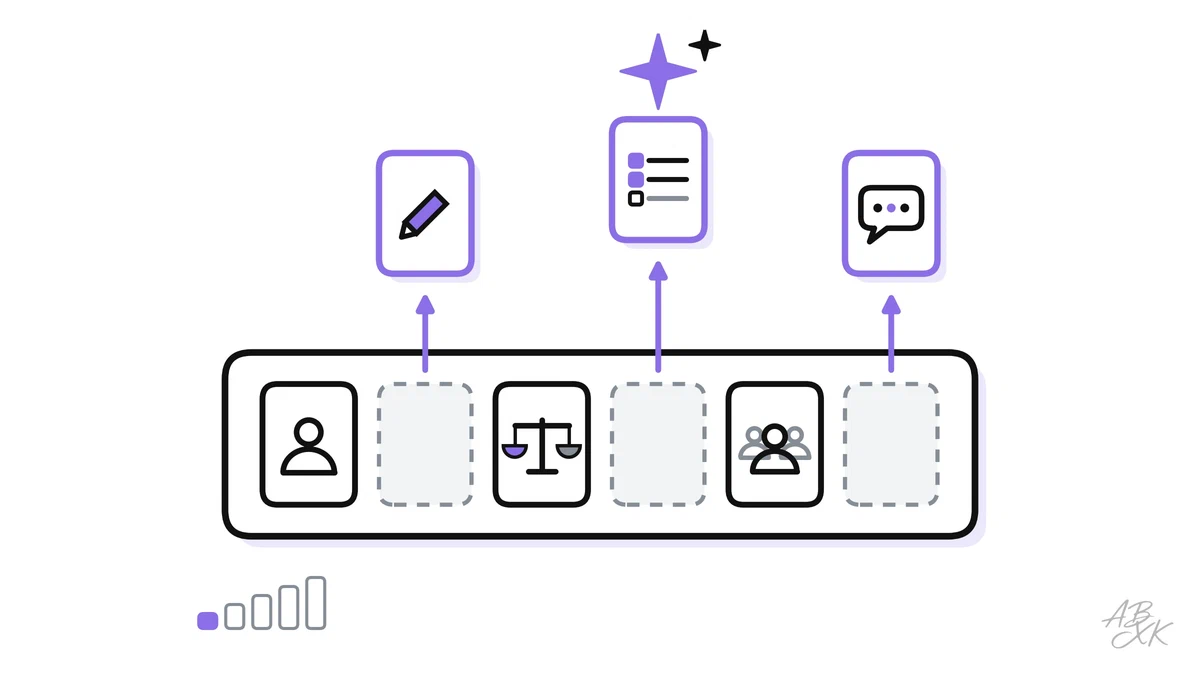
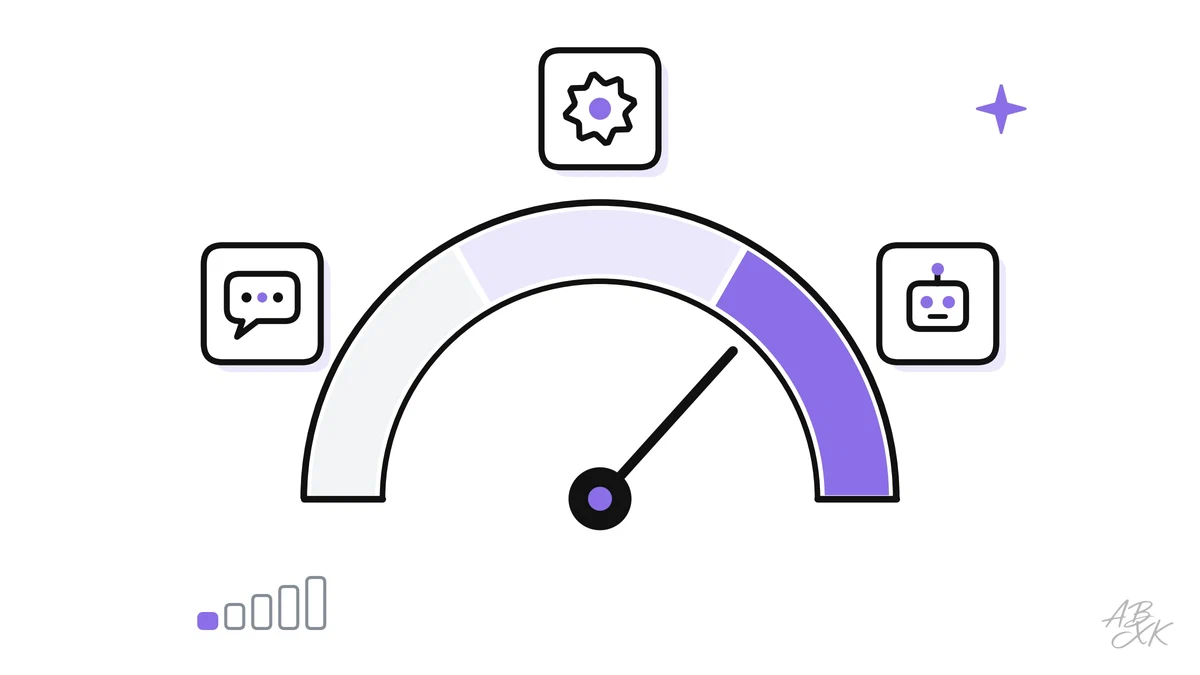
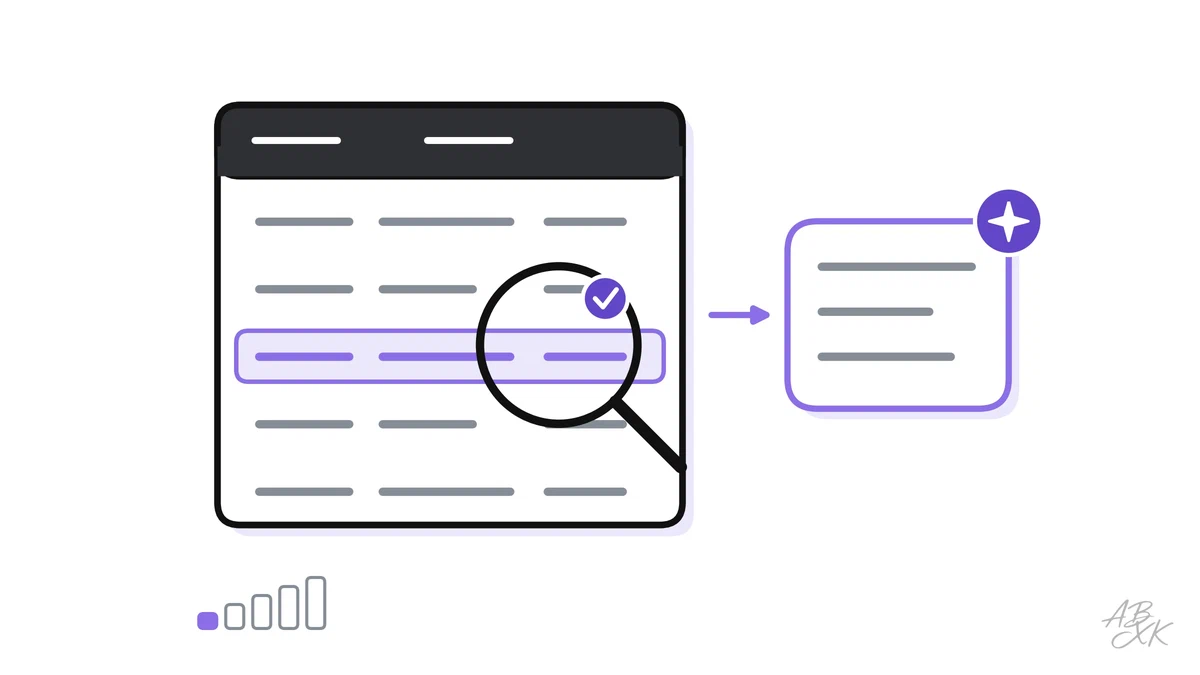
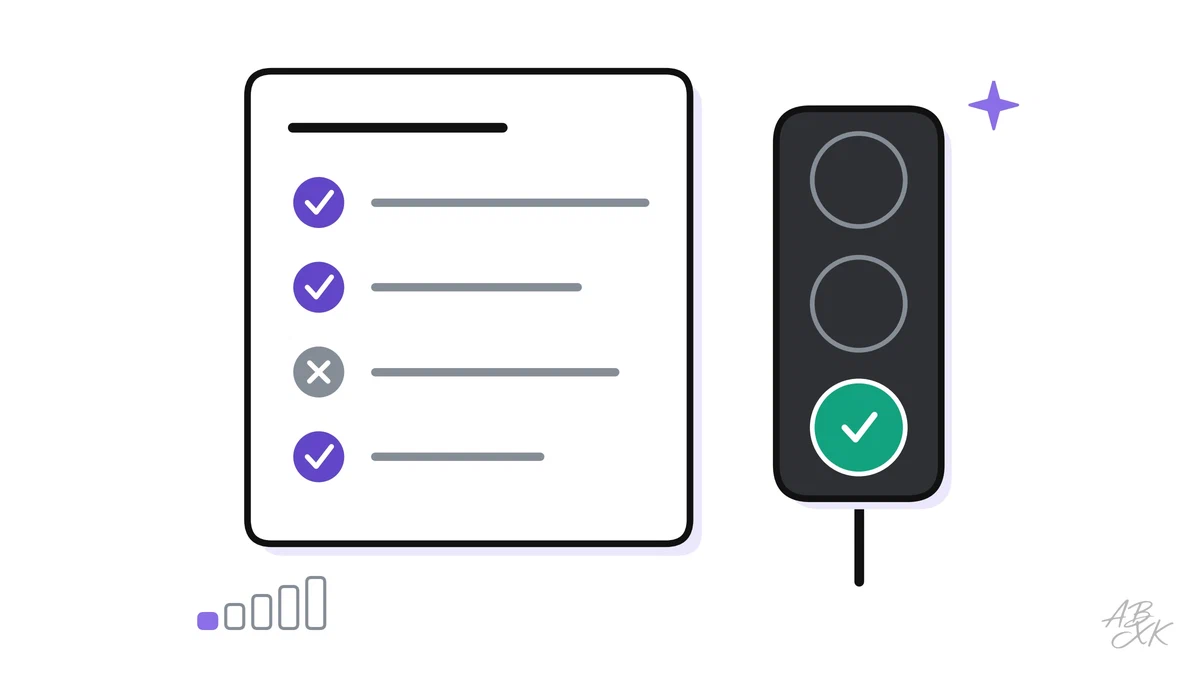
First real tasks with AI tools: simple techniques that work right away.
Level 1 · Part 1
AI for Sales: Find and Qualify Leads
How AI tools help sales teams find, enrich and score leads, write a first message based on facts, and follow data protection rules for B2B contacts.
Level 1 · Part 2
AI Chatbots for Customer Service: A First Setup
How to set up a first AI chatbot for customer service: topics, knowledge base, tone, handover to people, honest answers and the metrics that count.
Level 1 · Part 3
AI for Marketing Content and Campaigns
How marketing teams use AI for briefs, ad variants, landing pages and emails — with a brand voice guide, fair tests, approvals and care with claims.
Level 1 · Part 4
AI for Online Sellers: Listings, Ads, Inventory
How online sellers use AI for product listings, marketplace ads, stock forecasts and reviews — and how to avoid invented claims and trouble with marketplace rules.
Level 1 · Part 5
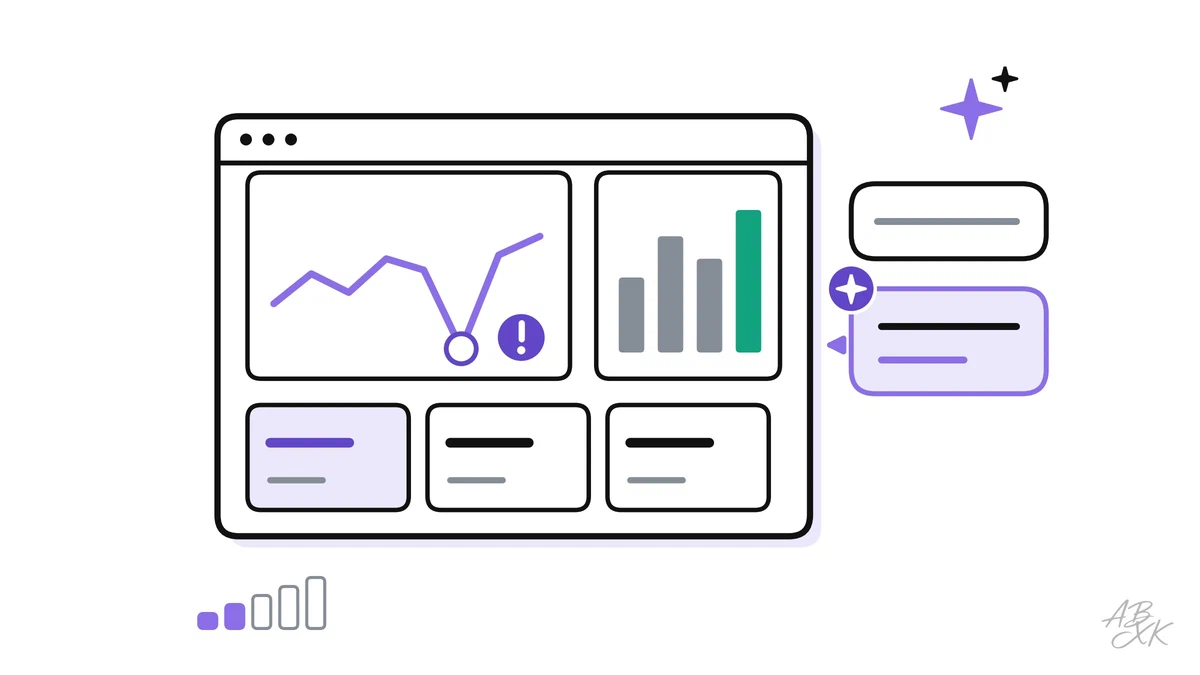
AI for Reports and Dashboards
How AI helps with reports and dashboards: connect data sources, automate reports, ask questions in plain language, get alerts — and check every number.
Level 2 · Intermediate
Workflows instead of single prompts: combine tools and check the quality.
Level 2 · Part 1
Choose AI Tools for Your Team: Requirements and Scorecard
Pick AI tools for a team step by step: clear requirements, a longlist from our comparison, a weighted scorecard, a data protection review and a pilot.
Level 2 · Part 2
AI Phone Agents and Voice Bots
How AI phone agents work, which calls they should take, how to design handover, AI disclosure and recording consent, and which metrics show real results.
Level 2 · Part 3
Sales Outreach Automation Without Spam
Sequences, real personalization, deliverability, opt-out rules, AI sales agents and human review: how to automate sales outreach without sending spam.
Level 2 · Part 4
Social Media and Brand Monitoring with AI
Listening, sentiment analysis and its limits, alerts and crisis signals, AI-drafted replies with approval and a monthly report: brand monitoring with AI.
Level 2 · Part 5
Automate Business Workflows: Triggers, Actions, Approvals
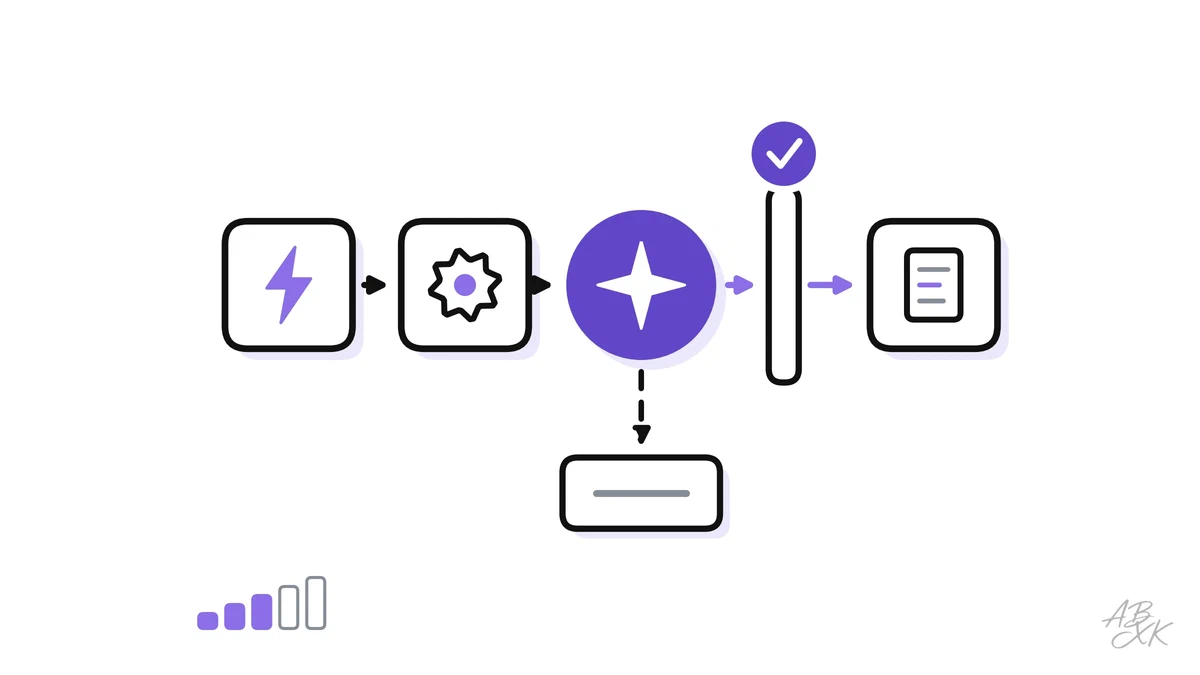
How an AI workflow is built from trigger, condition, AI step, action and approval, with three examples, error handling, documentation and clear ownership.
Level 3 · Advanced
Automate, integrate and measure: AI as part of your systems.
Level 3 · Part 1
Run an AI Pilot Project: Scope, KPIs, Timeline
Plan an AI pilot that ends in a clear decision: pick a use case, measure a baseline, set KPIs, run six to eight weeks and plan the scale-up.
Level 3 · Part 2
Integrate AI with Your CRM and Help Desk
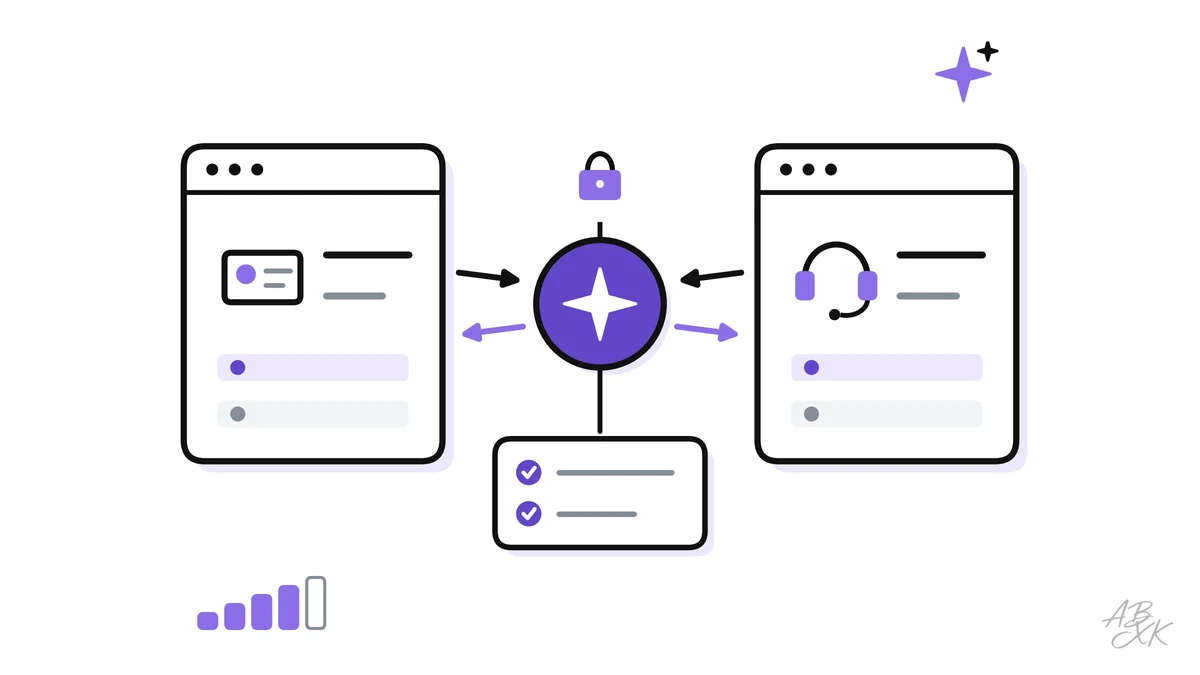
Connect AI to your CRM and help desk safely: data flows, sync, permissions, summaries, ticket triage, write-back with approval, audit trails and no duplicates.
Level 3 · Part 3
AI in Finance and Audit Work
How AI supports finance and audit work: document extraction, reconciliation, evidence matching and anomaly detection, with controls, sign-off and clear limits.
Level 3 · Part 4
AI Search Visibility: How Brands Show Up in LLM Answers
How AI assistants pick their sources, what makes a brand appear in their answers, how to monitor mentions and why manipulation backfires.
Level 3 · Part 5
Human in the Loop: Quality Control and Escalation
Where to put human checks in AI workflows: risk-based review, confidence thresholds, sampling, escalation paths, feedback loops and clear accountability.
Level 4 · Expert
Strategy, architecture and evaluation at the level of specialists.
Level 4 · Part 1
AI Strategy and Roadmap for a Company
Build a company AI strategy: ambition, a use case portfolio, shared capabilities, buy or build, a roadmap in three horizons, staged funding and metrics.
Level 4 · Part 2
Measure the ROI of AI at Work
Calculate the ROI of AI at work: benefits in money, the full cost, attribution with a comparison group, a worked example, payback and an honest report.
Level 4 · Part 3
AI Governance for Business Teams
A practical AI governance model for business teams: AI inventory, clear roles, approvals by risk tier, EU AI Act basics, documentation, training and vendors.
Level 4 · Part 4
AI Adoption and Change Management
Why AI tools fail without adoption, and what helps: champions, training on real tasks, honest answers to fears, adoption metrics and incentives that reward results.
Level 4 · Part 5
Agentic Workflows in Operations
How AI agents take on multi-step work in operations: which processes fit, tool access, layered guardrails, monitoring, step-by-step autonomy and METR data.
Tools and data for this path
46 Tools in AI Work Compare all tools 343 language models in the LLM database