

Learning path
Learn AI Security
From spotting AI scams to governing AI in an organization: five levels on staying safe with AI tools and securing AI systems. The guides explain threats and defenses in simple words, with diagrams and checklists, and refer to the security and detection tools in our comparison and the models in our LLM database.
25 guides in 5 levels · Back to AI Security
The five levels
- 0 Start here No prior knowledge needed: what AI does, the key terms and your first steps. 5 guides
- 1 Beginner First real tasks with AI tools: simple techniques that work right away. 5 guides
- 2 Intermediate Workflows instead of single prompts: combine tools and check the quality. 5 guides
- 3 Advanced Automate, integrate and measure: AI as part of your systems. 5 guides
- 4 Expert Strategy, architecture and evaluation at the level of specialists. 5 guides
Level 0 · Start here
No prior knowledge needed: what AI does, the key terms and your first steps.
Level 0 · Part 1
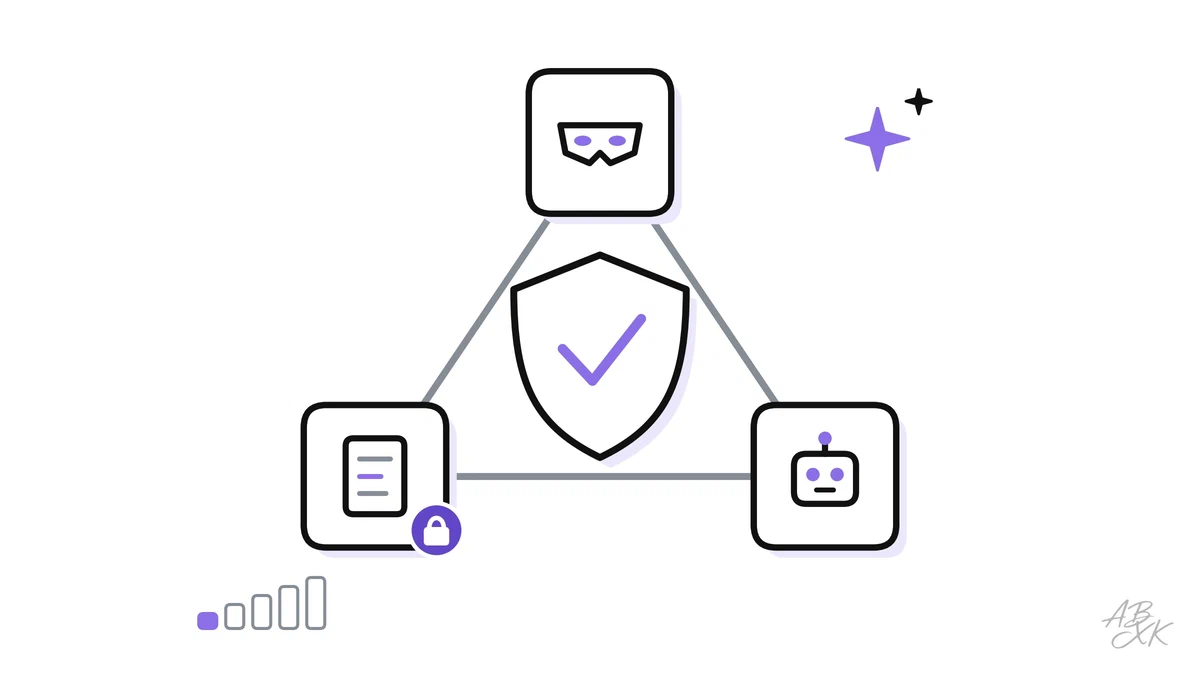
What AI Security Means: Three Sides of One Topic
AI security has three sides: scams that use AI, your data in AI tools and the security of AI systems. Real cases for each side and a map of this learning path.
Level 0 · Part 2
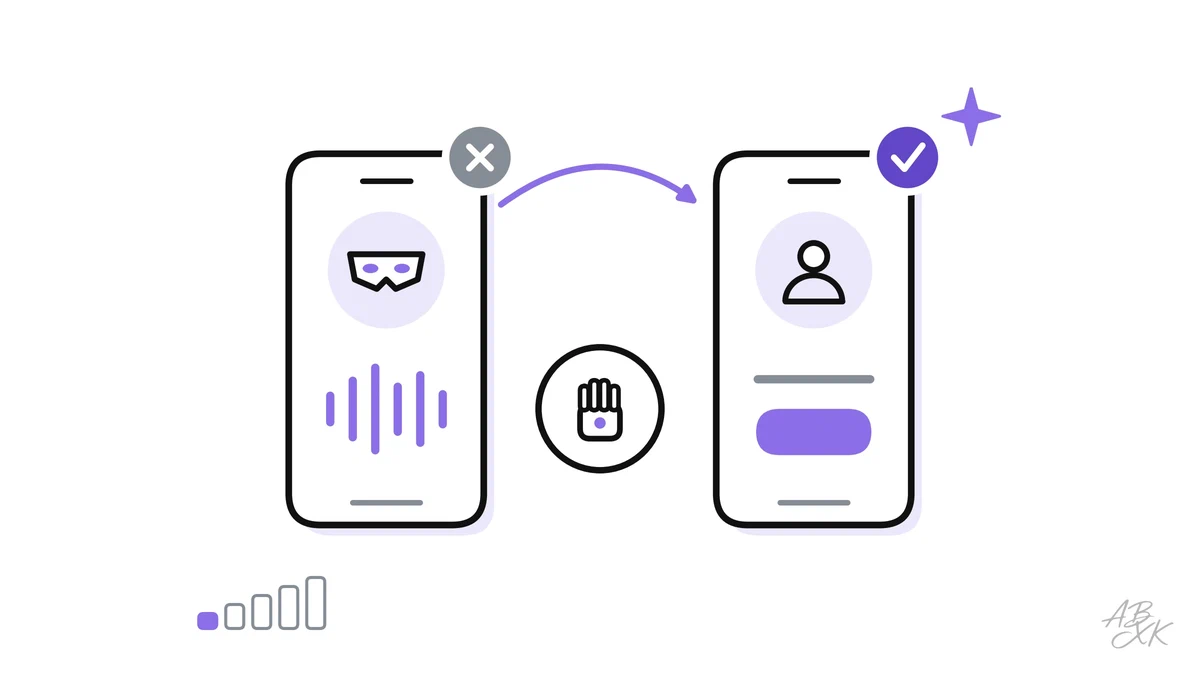
AI Scams: Voice Clones, Fake Messages and Deepfakes
How criminals use cloned voices, AI-written messages and deepfakes, the warning signs that still work and three habits that protect you from AI scams.
Level 0 · Part 3
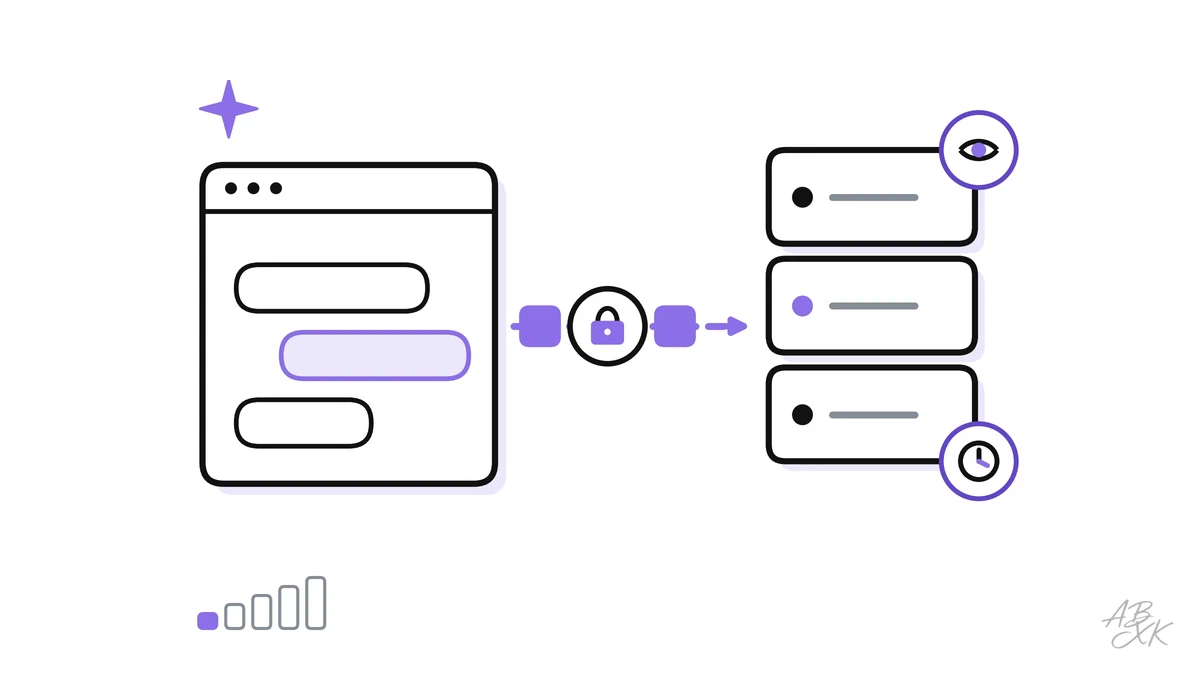
What Happens to Your Data in an AI Chat
Where your prompts go, how long chats are stored, when people read them or models learn from them, and how business accounts differ from personal ones.
Level 0 · Part 4
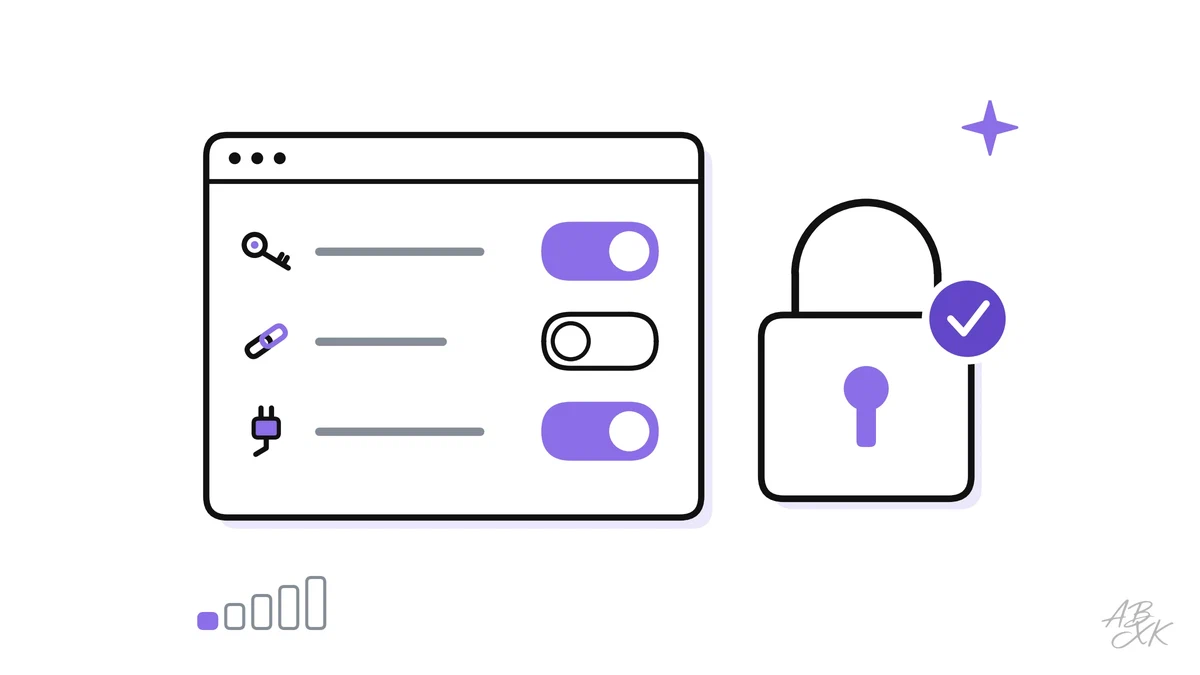
A Safety Checklist for Everyday AI Users
Eight checks for safer everyday AI use: accounts and two-factor login, privacy settings, checking answers, extensions, shared links, kids and connected apps.
Level 0 · Part 5
Can AI-Generated Content Be Detected?
What detectors for AI text, images, audio and video can and cannot do, how watermarks and content credentials work, and how to use detectors fairly.
Level 1 · Beginner
First real tasks with AI tools: simple techniques that work right away.
Level 1 · Part 1
Phishing in the AI Era: Red Flags That Still Work
How AI makes phishing emails, calls and video calls more convincing, which red flags still work, and the habits and processes that protect you and your company.
Level 1 · Part 2
Prompt Injection Explained Simply
What prompt injection is, why AI models cannot reliably tell data from instructions, what attackers can achieve with it and the basic defenses for users and teams.
Level 1 · Part 3
Hallucinations as a Security Risk
When made-up AI answers become security incidents: invented package names, unsafe fixes, fake legal facts, what benchmarks show and how to check before you act.
Level 1 · Part 4
What Not to Paste into an AI Tool
Six data classes that need care in AI tools, three safer ways to get the same help, a ten-second decision rule and what to do if you pasted something by mistake.
Level 1 · Part 5
Verify Images, Audio and Video Step by Step
A practical routine for suspicious photos, voice messages and videos: source, reverse search, origin data, visual and audio clues, context and expert help.


Level 2 · Intermediate
Workflows instead of single prompts: combine tools and check the quality.
Level 2 · Part 1
The OWASP Top 10 for LLM Applications
The ten biggest security risks of LLM apps in the OWASP 2026 list, each with an example and a first defense, and how to use the list in a design review.
Level 2 · Part 2
Data Leakage Controls for AI Tools
How companies keep sensitive data out of the wrong AI tools: approved accounts, masking, DLP for prompts, browser controls, access rights, logs and contracts.
Level 2 · Part 3
Jailbreaks and Guardrails in AI Applications
What jailbreaks are and why they work, which types of guardrails stop them, and how to combine and test guardrails in layers – without attack recipes.
Level 2 · Part 4
How AI Detectors Work and Where They Fail
How statistical tests, classifiers, watermarks and content credentials work, how to read accuracy claims, why base rates matter and how to use detectors fairly.
Level 2 · Part 5
Shadow AI: Unapproved AI Tools in Companies
Why employees use AI tools without approval, what can go wrong, how to find shadow AI and how to respond with good alternatives instead of punishment.
Level 3 · Advanced
Automate, integrate and measure: AI as part of your systems.
Level 3 · Part 1
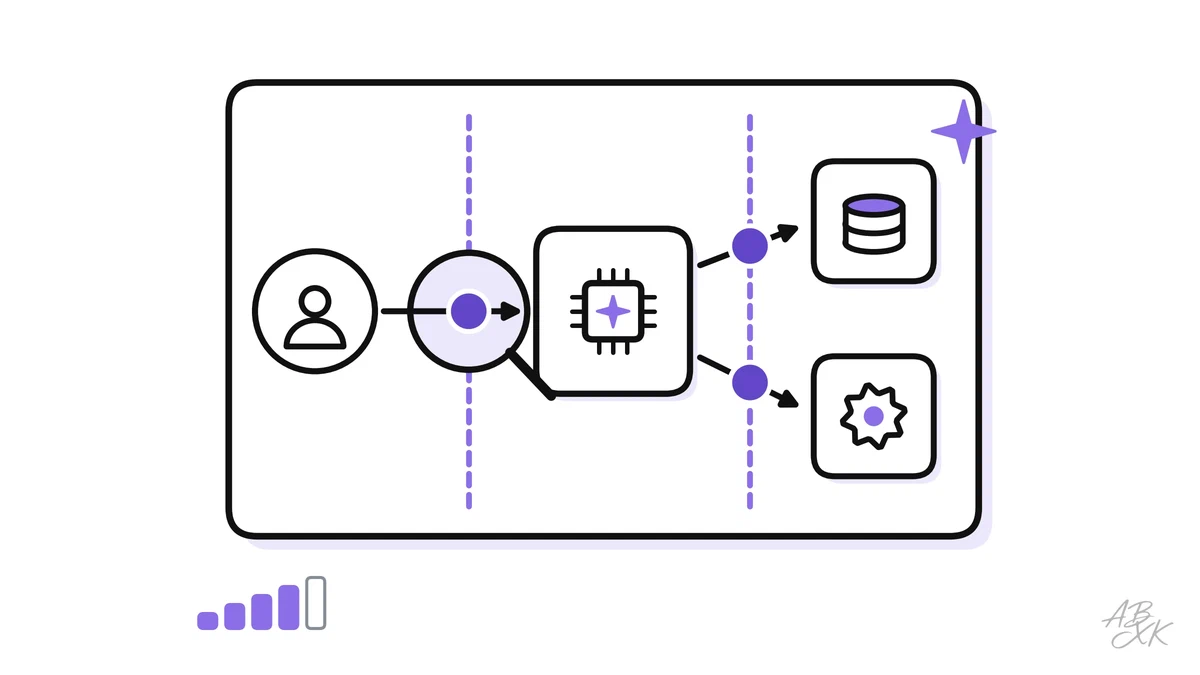
Threat Modeling for AI Systems
Map the assets, data flows and trust boundaries of an LLM app, apply STRIDE to AI, find its attack surfaces and decide which risks to fix first.
Level 3 · Part 2
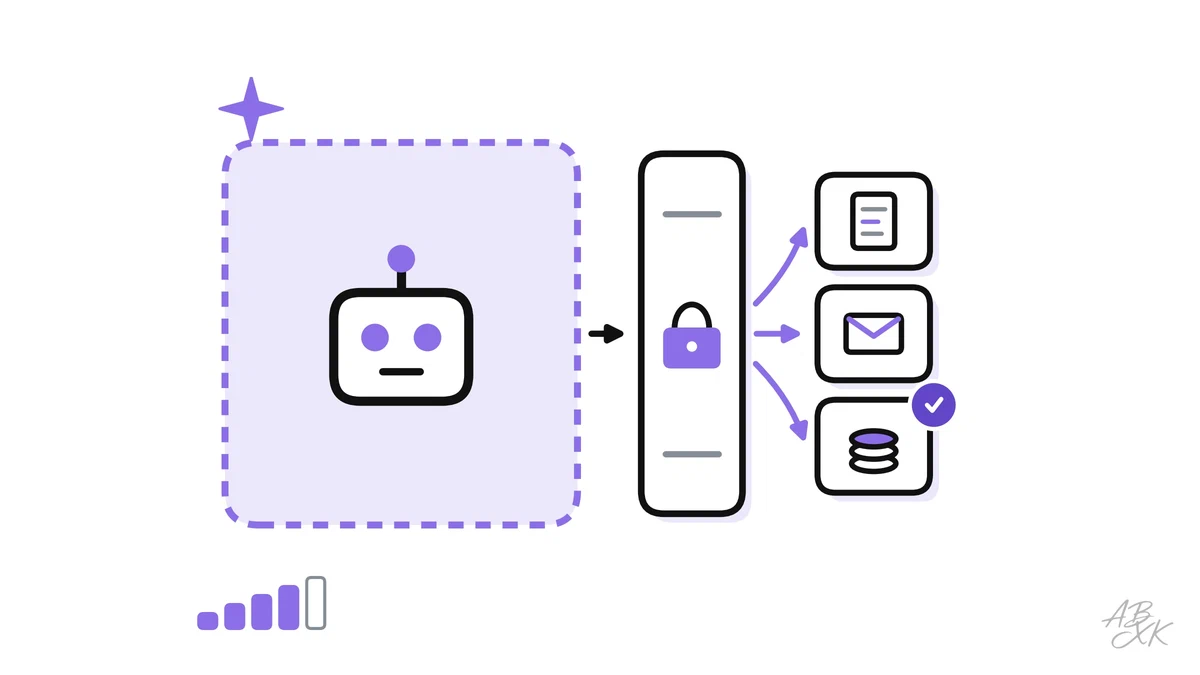
Secure RAG and AI Agents: Permissions, Tools, Sandboxes
How to secure RAG and AI agents: document-level permissions, least privilege for tools, sandboxes, approval steps, output validation and audit logs.
Level 3 · Part 3
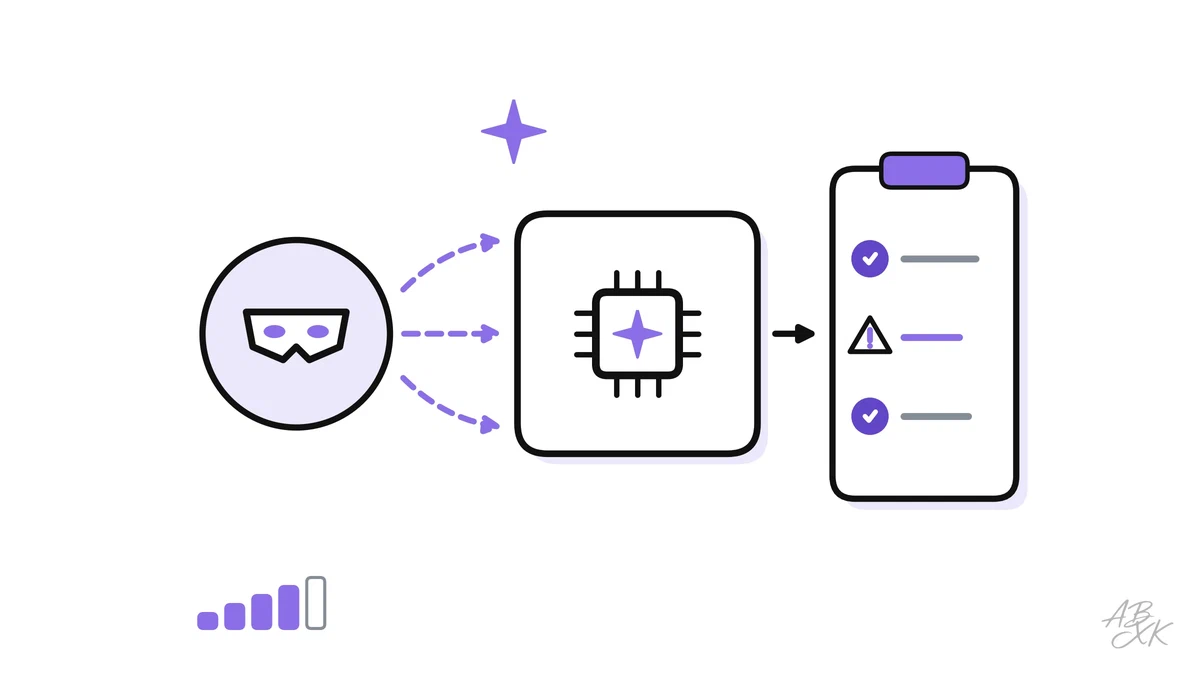
Red Teaming LLMs: How Teams Test AI Safely
How AI red teams work: goals, scope and rules of engagement, test categories, manual and automated testing, reporting, fixing and re-testing.
Level 3 · Part 4
AI Supply Chain Security: Models, Data, Plugins
Downloaded models, poisoned data, malicious plugins and risky dependencies: how to vet the parts of your AI system with model cards, signatures and an AI-BOM.
Level 3 · Part 5
AI Incident Response: Logging, Monitoring, Playbooks
What counts as an AI incident, which signals reveal one, what to log, and a playbook to contain, assess, notify, fix and learn, with clear roles.
Level 4 · Expert
Strategy, architecture and evaluation at the level of specialists.
Level 4 · Part 1
AI Governance Frameworks: NIST AI RMF, ISO/IEC 42001, EU AI Act
What the NIST AI RMF, ISO/IEC 42001 and the EU AI Act each require, how their parts map onto each other and where a security team should start.
Level 4 · Part 2
Adversarial Machine Learning: Evasion, Poisoning, Extraction
How attackers fool, poison and copy machine learning models, how the NIST taxonomy names each attack, and which defenses help — explained without attack code.
Level 4 · Part 3
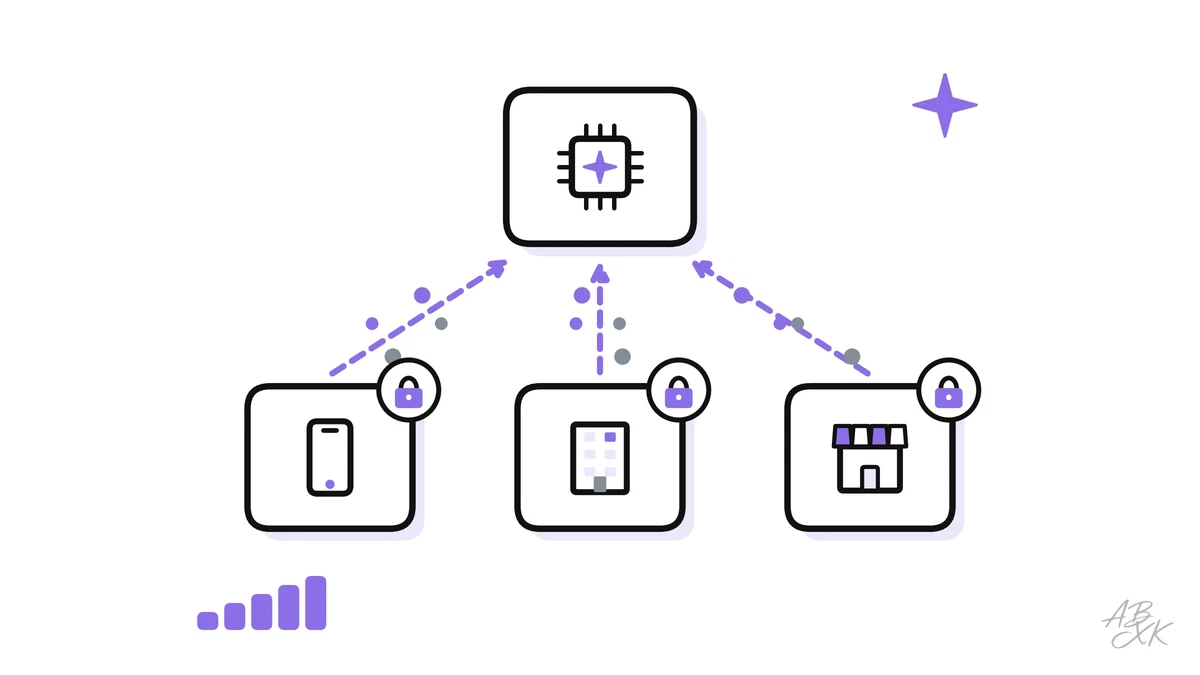
Privacy-Preserving AI: Differential Privacy, Federated Learning and More
Epsilon and privacy budgets, federated learning, secure enclaves, homomorphic encryption and synthetic data: what each protects, what it costs and how to choose.
Level 4 · Part 4
Evaluate Model Safety and Reliability
How to evaluate AI for factuality, robustness, refusals, bias and calibration, what public benchmarks cannot show, and how to build and run your own eval suite.
Level 4 · Part 5
Build a Secure AI Program in Your Organization
The eight parts of an AI security program, from inventory and policy to monitoring and metrics, a simple maturity model and a plan for the first 90 days.

Tools and data for this path
6 Tools in AI Security Compare all tools 343 language models in the LLM database