

Learning path
Learn AI Development
From “what is an API?” to production architecture: five levels for everyone who wants to build with AI — no-code builders, developers and tech leads. The guides use the development tools in our comparison and the models in our LLM database as examples, with diagrams, tables and code where it helps.
25 guides in 5 levels · Back to AI Development
The five levels
- 0 Start here No prior knowledge needed: what AI does, the key terms and your first steps. 5 guides
- 1 Beginner First real tasks with AI tools: simple techniques that work right away. 5 guides
- 2 Intermediate Workflows instead of single prompts: combine tools and check the quality. 5 guides
- 3 Advanced Automate, integrate and measure: AI as part of your systems. 5 guides
- 4 Expert Strategy, architecture and evaluation at the level of specialists. 5 guides
Level 0 · Start here
No prior knowledge needed: what AI does, the key terms and your first steps.
Level 0 · Part 1
What Is AI Development? Using AI vs. Building with AI
AI development means three things: using AI to write code, building apps on top of a model, and training models. Learn the roles and where to start.
Level 0 · Part 2
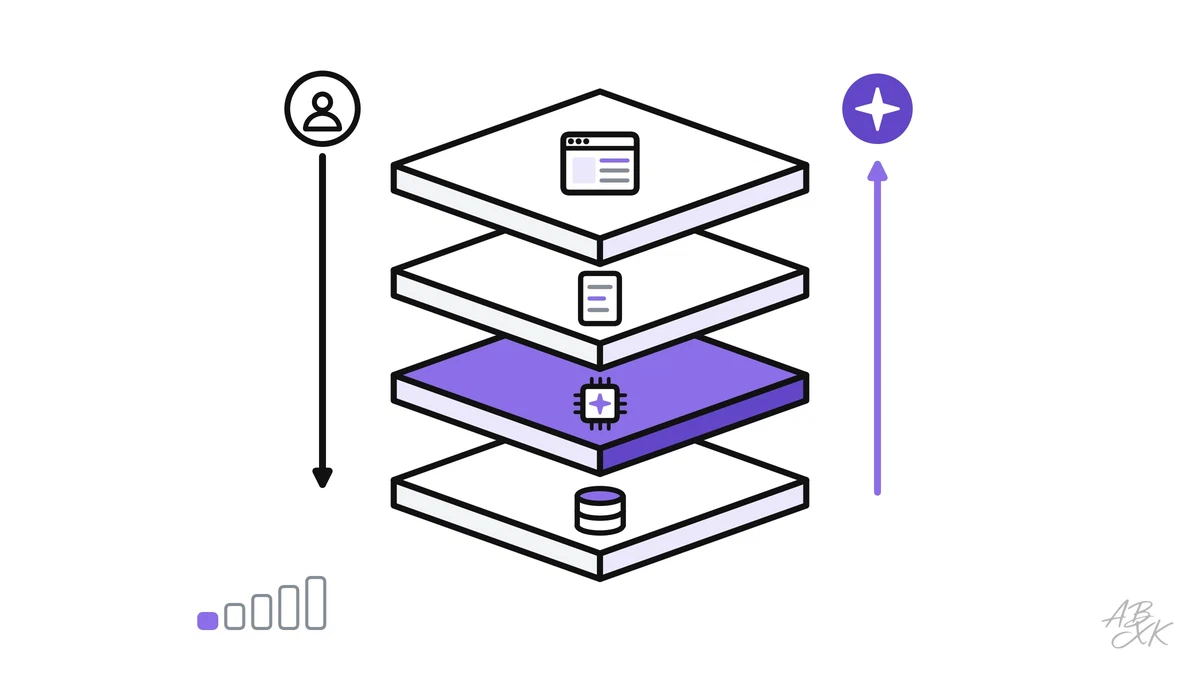
How an AI App Works: Model, Prompt, Data, Interface
The seven parts of an AI app in plain words, from interface and backend to model, data, guardrails and logs, and one support-bot request from start to finish.
Level 0 · Part 3
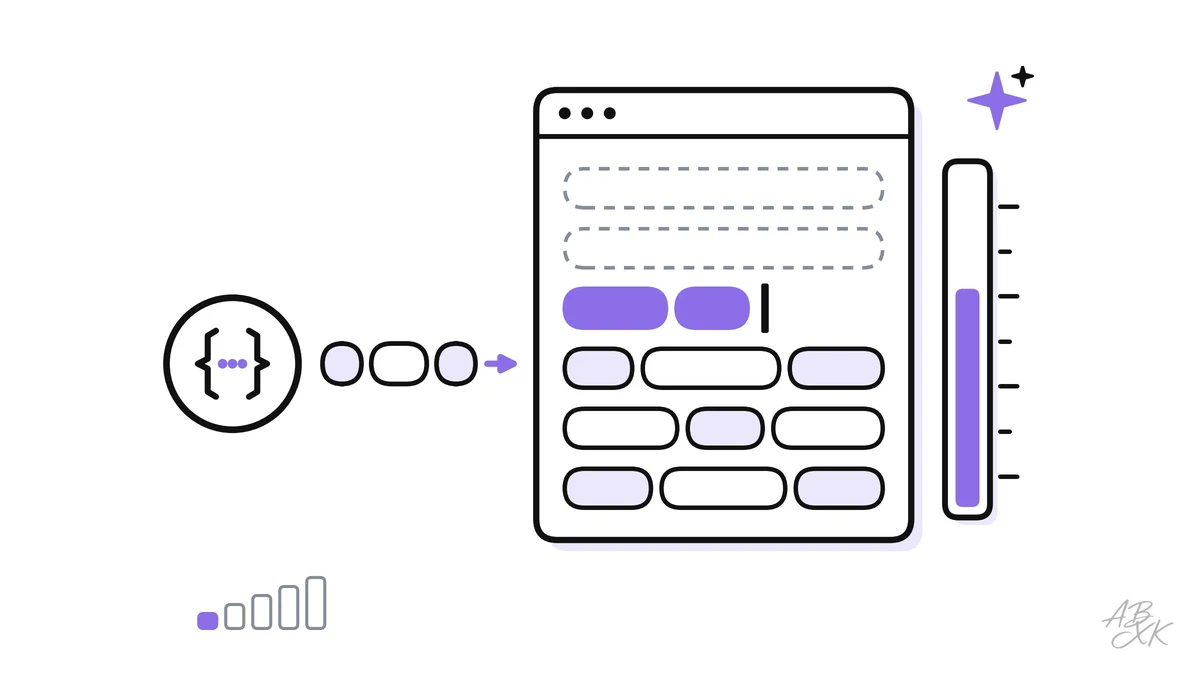
APIs, Tokens and Context Windows Explained
How apps talk to language models: what APIs and API keys are, how text becomes tokens, what fits into a context window and why you pay per token.
Level 0 · Part 4
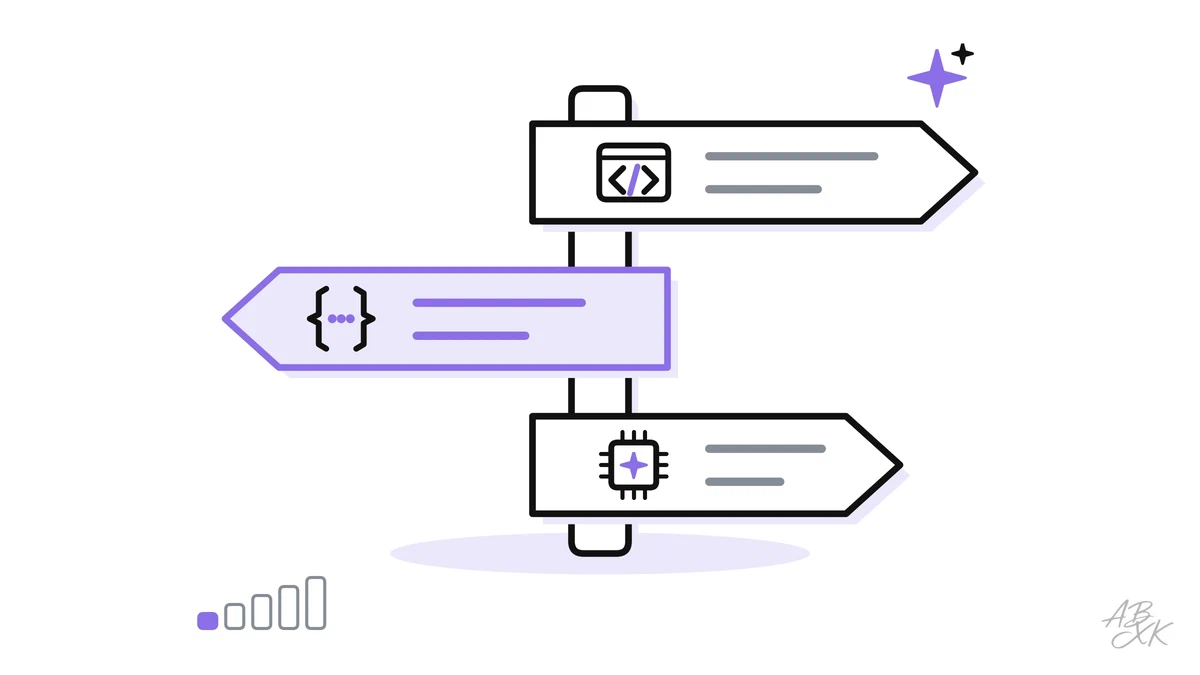
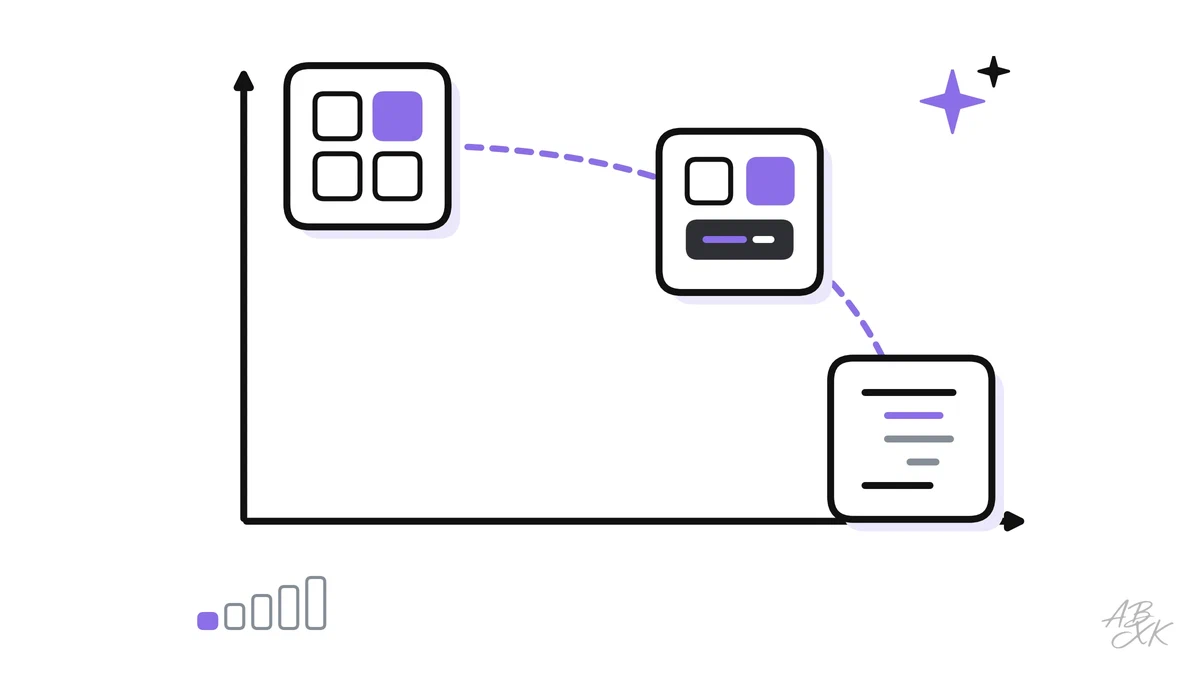
No-Code, Low-Code or Code: Three Ways to Build with AI
Compare no-code, low-code and code for building AI apps: speed, control, cost of change, scaling and lock-in, with examples and clear signals for when to switch.
Level 0 · Part 5
What AI Coding Assistants Do (and Where They Fail)
Autocomplete, chat and agents: what AI coding assistants do well, which mistakes they typically make, and why you still review every change.
Level 1 · Beginner
First real tasks with AI tools: simple techniques that work right away.
Level 1 · Part 1
Your First LLM API Call, Step by Step
Create an API key, keep it safe, send your first request to a language model, read the response and handle errors — step by step, with Python code.
Level 1 · Part 2
Prompt Design for Developers: System Prompts and Structure
How to write prompts that work reliably inside code: message roles, delimiters, examples, JSON output, temperature and versioning, with templates.
Level 1 · Part 3
Build a Simple AI App Without Code
Build an FAQ assistant on a no-code platform, step by step: a one-page brief, clean knowledge files, clear instructions, tests, sharing and upkeep.
Level 1 · Part 4
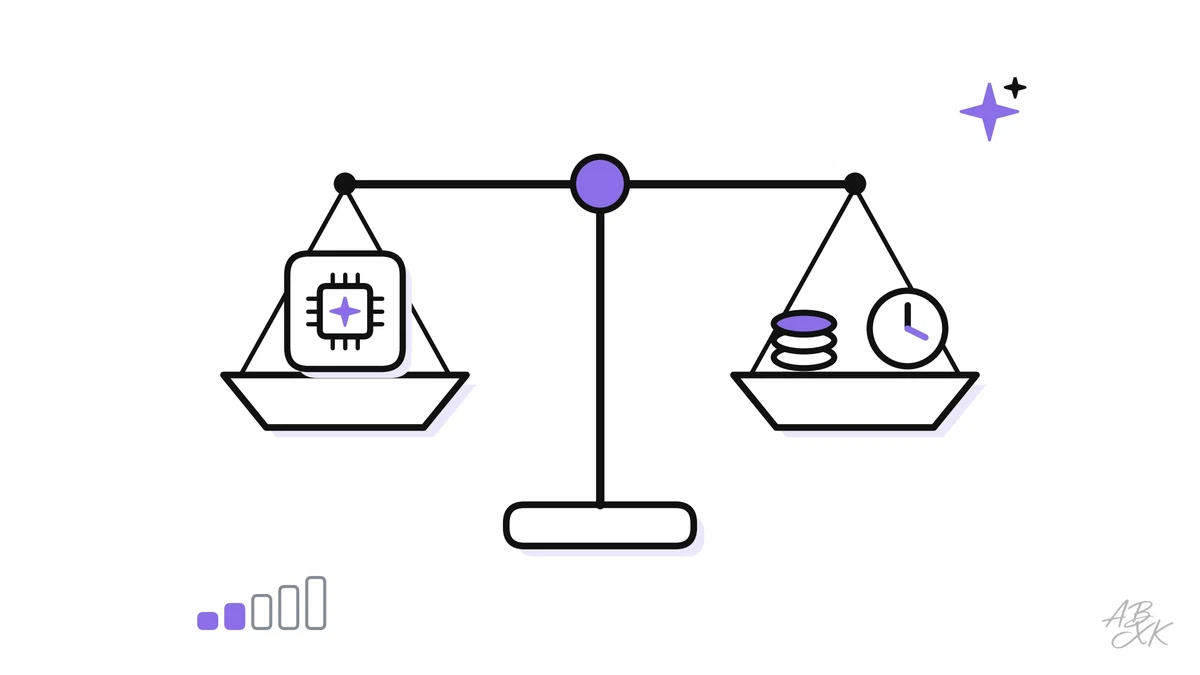
Choose a Model for Your App: Quality, Speed, Cost, Openness
How to pick a language model for your app: weigh quality, speed, cost, context and openness, then test a shortlist on your own data.
Level 1 · Part 5
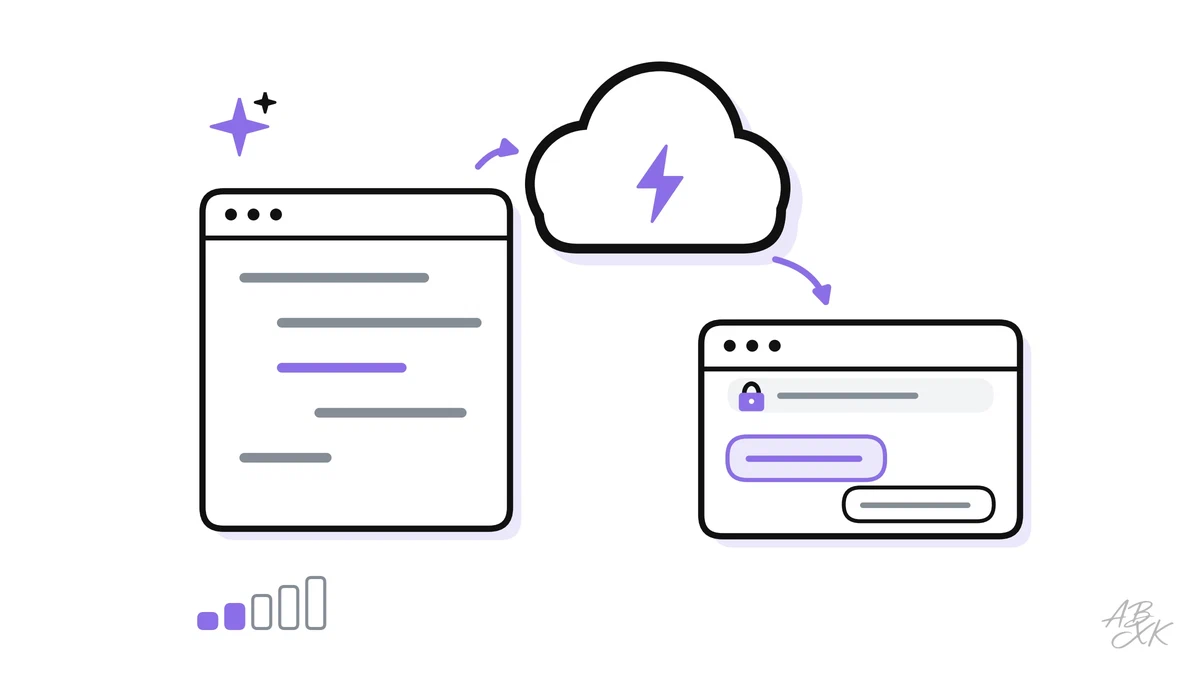
Deploy a Small AI Web App
Put a small AI app online safely: a static page plus one serverless function, the API key in an environment variable, rate limits, HTTPS, logs and cost control.
Level 2 · Intermediate
Workflows instead of single prompts: combine tools and check the quality.
Level 2 · Part 1
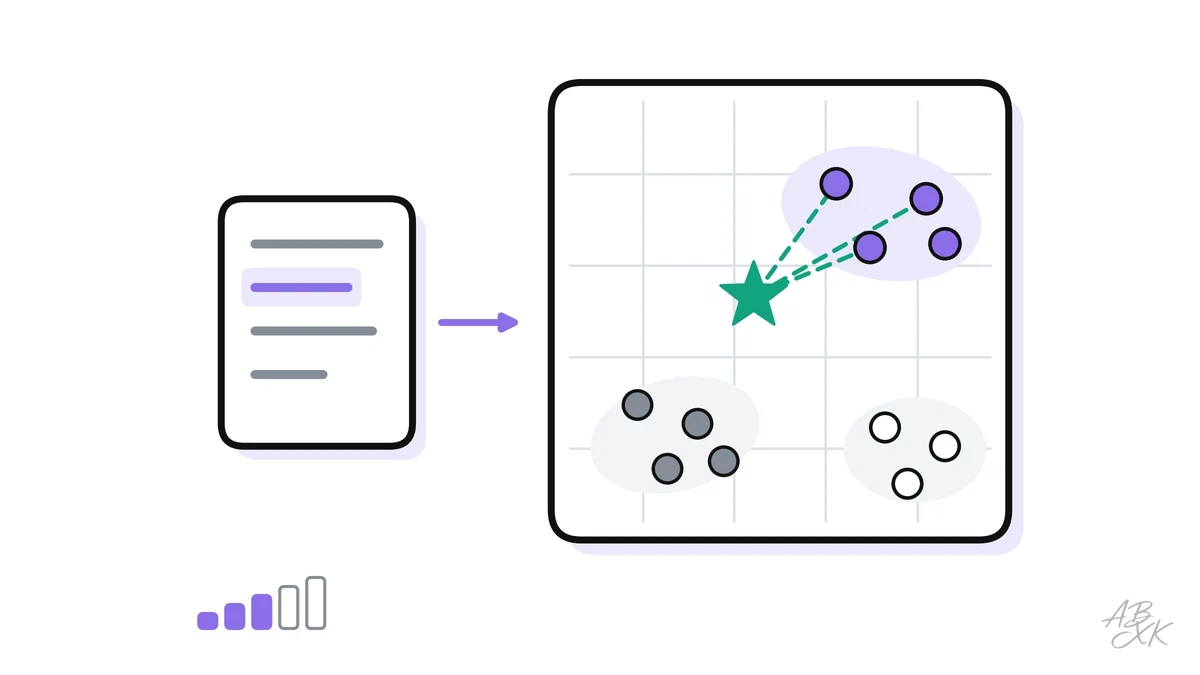
Embeddings and Vector Databases Explained
How embeddings turn text into coordinates of meaning, how similarity search works and what a vector database adds: index, filters and chunks.
Level 2 · Part 2
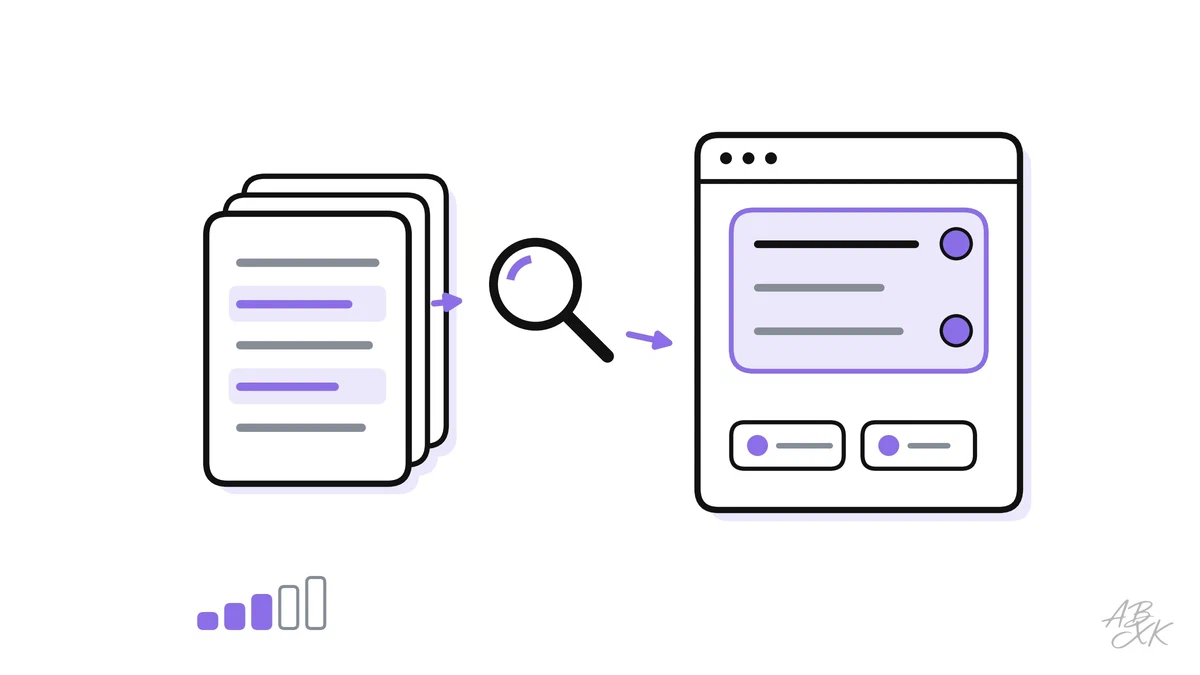
Retrieval-Augmented Generation (RAG), Step by Step
How RAG works from ingest to cited answer: chunk, embed, retrieve, rerank, generate and evaluate — plus common failures and when you do not need RAG.
Level 2 · Part 3
Structured Output and Function Calling
Get reliable JSON from a language model and let it call your functions safely: schemas, validation, retries, tool descriptions and the checks you need.
Level 2 · Part 4
Test AI Features with Evals
Why unit tests are not enough for AI features: build an eval set, pick metrics from exact match to an AI judge, and catch regressions in CI.
Level 2 · Part 5
An AI-Assisted Coding Workflow That Stays Safe
Plan, generate, review, test, commit: a workflow for AI-assisted coding with small diffs, tests first, secret and dependency checks and a review checklist.
Level 3 · Advanced
Automate, integrate and measure: AI as part of your systems.
Level 3 · Part 1
Build AI Agents: Tools, Loops and Memory
How an AI agent works inside: the plan-act-observe loop, tools, memory, stop rules and human approval, plus what METR data shows about agent autonomy.
Level 3 · Part 2
Web Data for AI Apps: Scraping, APIs and the Rules
How AI apps get web data responsibly: official APIs first, polite scraping, robots.txt, terms of service, GDPR, legitimate proxy use and change monitoring.
Level 3 · Part 3
GPU Infrastructure for AI: When to Rent Compute
When an AI project needs its own GPUs, how to estimate GPU memory from model size, and how to choose between on-demand, reserved, spot and serverless compute.
Level 3 · Part 4
Fine-Tuning vs. RAG vs. Prompting: A Decision Guide
What prompting, RAG and fine-tuning each change, what data and upkeep they need, how to combine them — and a decision table with practical examples.
Level 3 · Part 5
Observability for LLM Apps: Logs, Traces, Costs, Quality
What to log for every LLM request, where privacy sets limits, how traces reveal multi-step chains, which numbers to alert on and how to catch quality drift.
Level 4 · Expert
Strategy, architecture and evaluation at the level of specialists.
Level 4 · Part 1
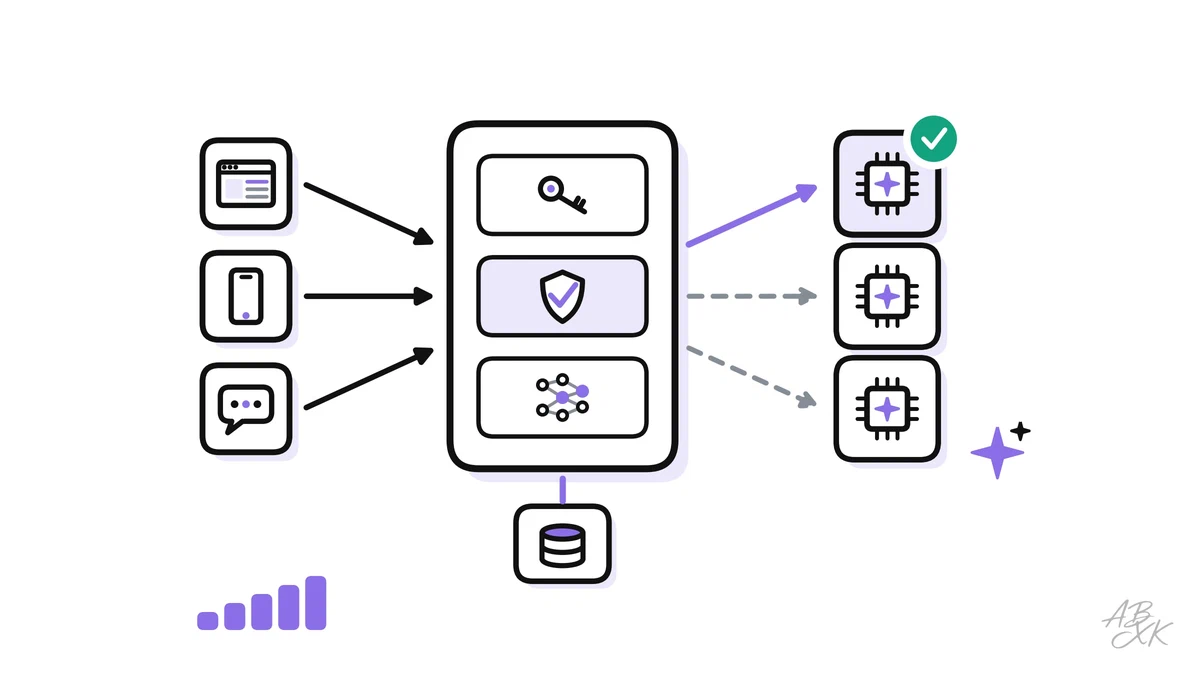
Production LLM Architecture: Gateways, Caching, Fallbacks
How LLM apps stay fast, safe and available in production: a gateway, three kinds of caches, fallbacks, rate limits, guardrails, versions and SLOs.
Level 4 · Part 2
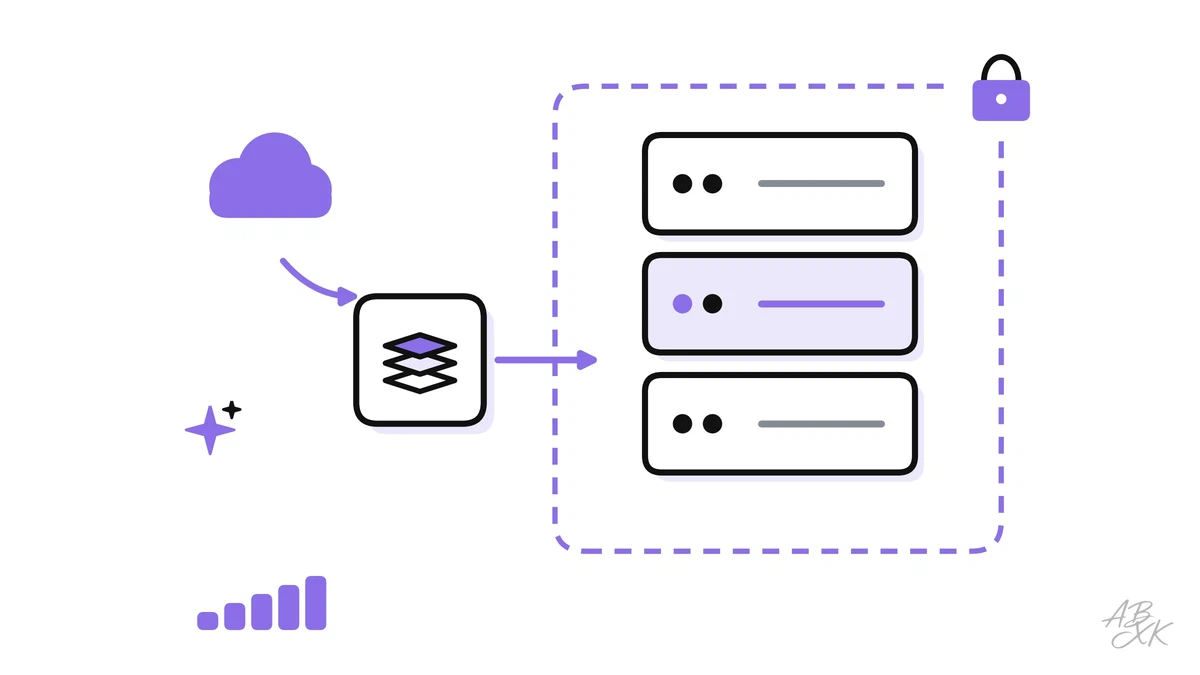
Self-Hosting Open-Weight Models
When it pays to run open-weight LLMs yourself: licenses, serving software, GPU memory sizing, operations and the quality gap to closed models in our data.
Level 4 · Part 3
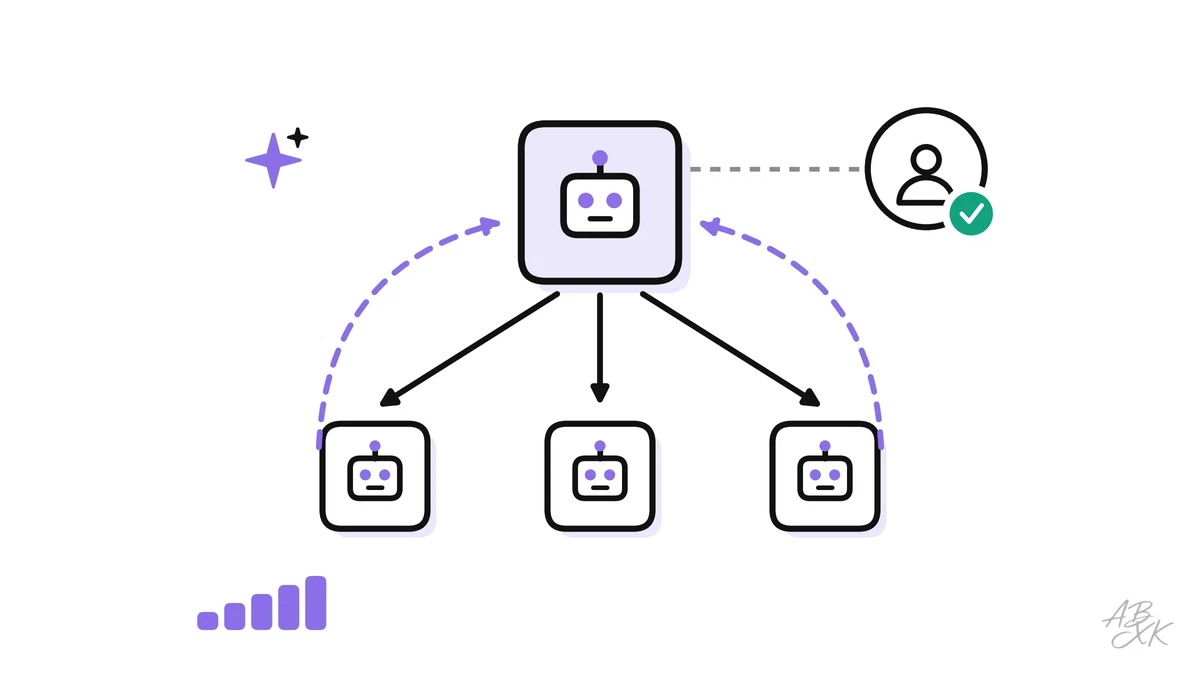
Multi-Agent Systems: Patterns and Pitfalls
When several AI agents beat one: orchestrator-worker, pipeline, review and shared-memory patterns, error compounding, cost, tracing and human checkpoints.
Level 4 · Part 4
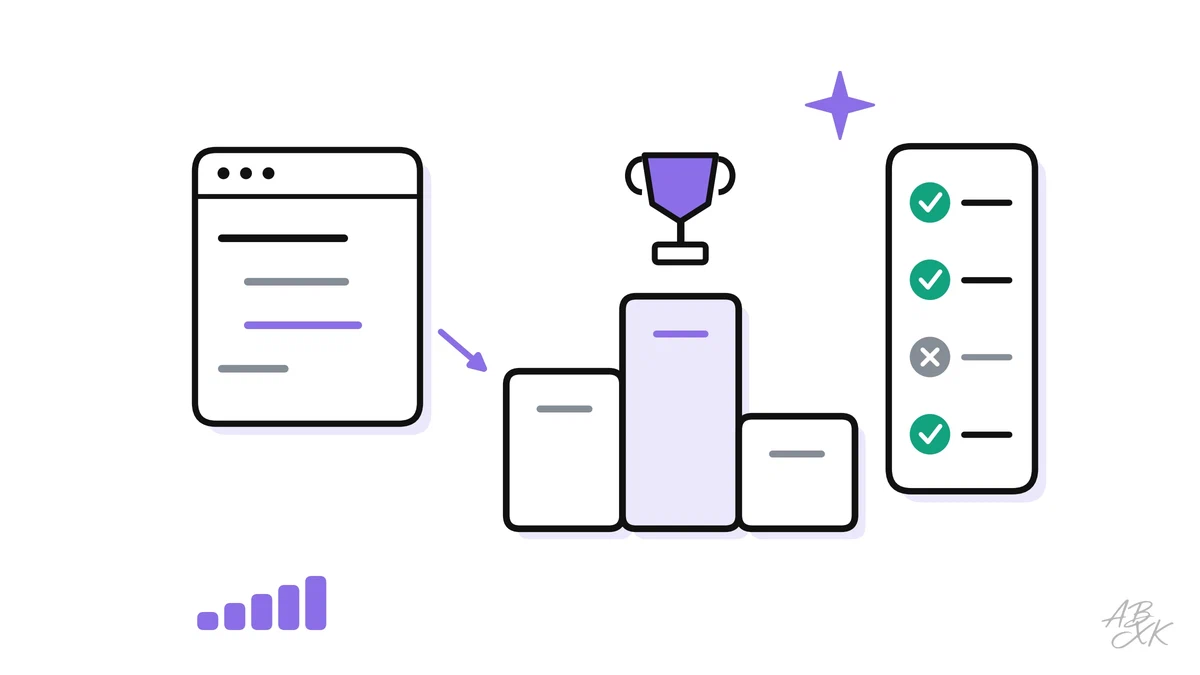
Coding Benchmarks Explained: SWE-bench, Aider, Terminal-Bench
What SWE-bench Verified, Aider Polyglot and Terminal-Bench measure, how they score, where they mislead and how to test models on your own code.
Level 4 · Part 5
Optimize LLM Cost and Latency at Scale
Lower the cost and response time of an LLM app without losing quality: token budgets, caching, batching, model routing, streaming and cost per successful task.
Tools and data for this path
13 Tools in AI Development Compare all tools 343 language models in the LLM database