

Learning path
AI Fundamentals: How AI Works
How does AI actually work? This learning path answers the question in five levels, from the map of the AI universe to transformers, diffusion models and agents. Instead of repeating textbook claims, the guides show what we measured ourselves, with experiments on a public dataset of handwritten digits that anyone can repeat, and what the history of notable AI models shows, based on Epoch AI’s data on more than a thousand models since 1950.
10 guides in 2 levels · Back to AI Development
The levels
Level 0 · Start here
What AI, machine learning, deep learning and generative AI are, how they fit together and how models learn from data.
Level 0 · Part 1
The AI Universe: How AI, Machine Learning, Deep Learning and Generative AI Fit Together
AI, machine learning, neural networks, deep learning, generative AI and agents explained as one map, with the milestones from 1950 to today in data.
Level 0 · Part 2
How Machines Learn: An Experiment with Handwritten Digits
Supervised, unsupervised and reinforcement learning, shown with our own repeatable experiment: how many examples a model needs and what it learns without any labels.
Level 0 · Part 3
Training and Inference: When AI Learns and When It Answers
Training vs inference explained: what happens when an AI model learns and when it answers, what each phase costs and how big frontier training runs are.
Level 0 · Part 4
Parameters, Data and Compute: Why AI Models Grew So Fast
What parameters, training data and compute mean, how fast each has grown since 2010 according to Epoch AI's data and why more of all three made AI models better.
Level 0 · Part 5
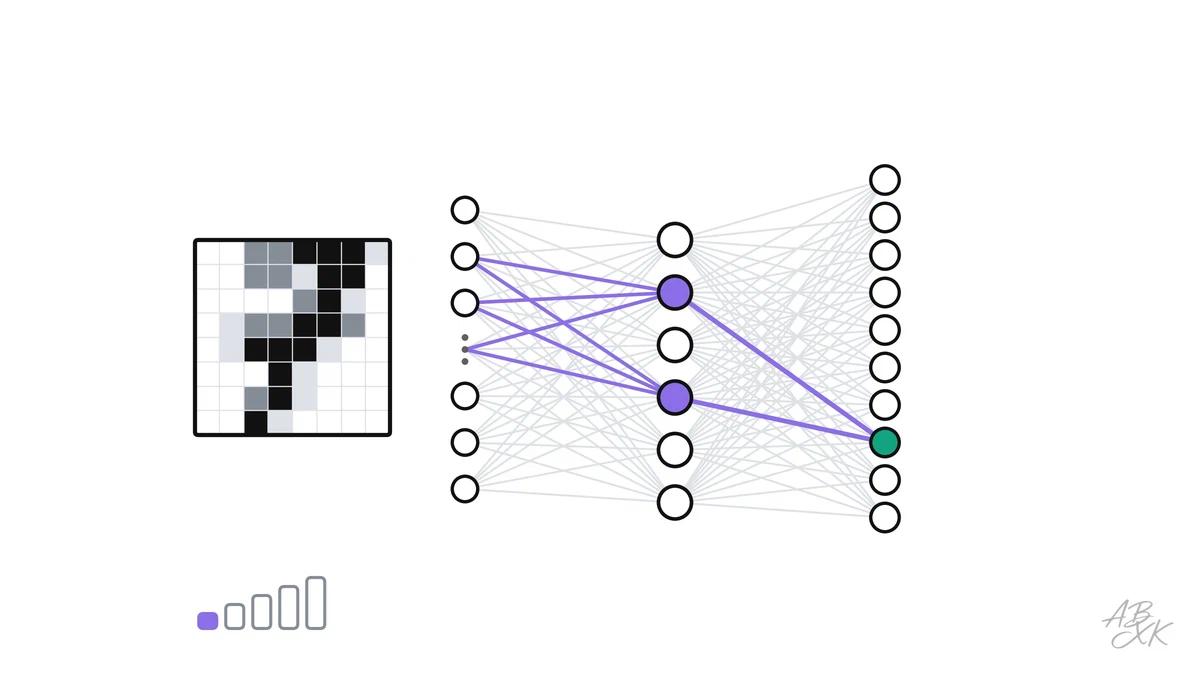
Neural Networks in Plain Words: Neurons, Layers and Weights
What a neural network is, shown with a network we trained ourselves: what a neuron computes, what layers and weights do and how size changes accuracy.
Level 1 · Beginner
Classic machine learning, tested on real data: regression, classification, decision trees, clustering and how to compare models fairly.
Level 1 · Part 1
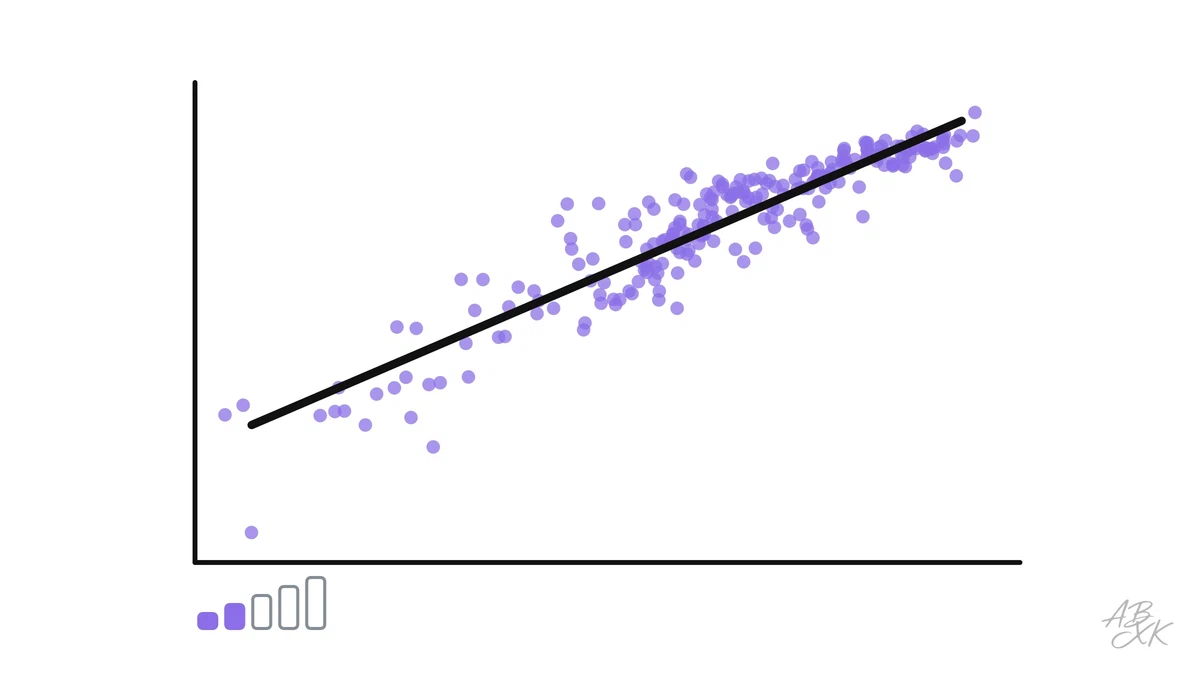
Regression: How a Model Predicts a Number
Regression explained with real data: a line through Epoch AI's records of AI models predicts training compute from model size. What slope, R² and errors mean.
Level 1 · Part 2
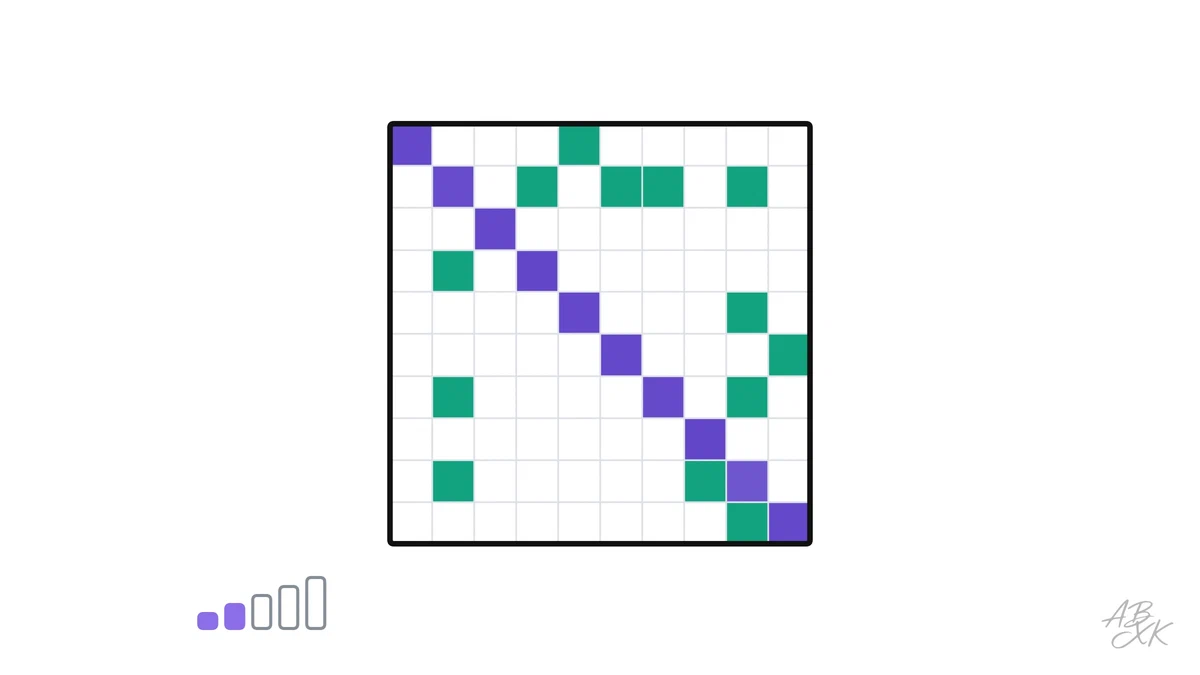
Classification: Accuracy, Precision and Recall Explained
How to judge a classifier, shown with our digit recognizer: what accuracy hides, what a confusion matrix reveals and how a threshold trades precision for recall.
Level 1 · Part 3
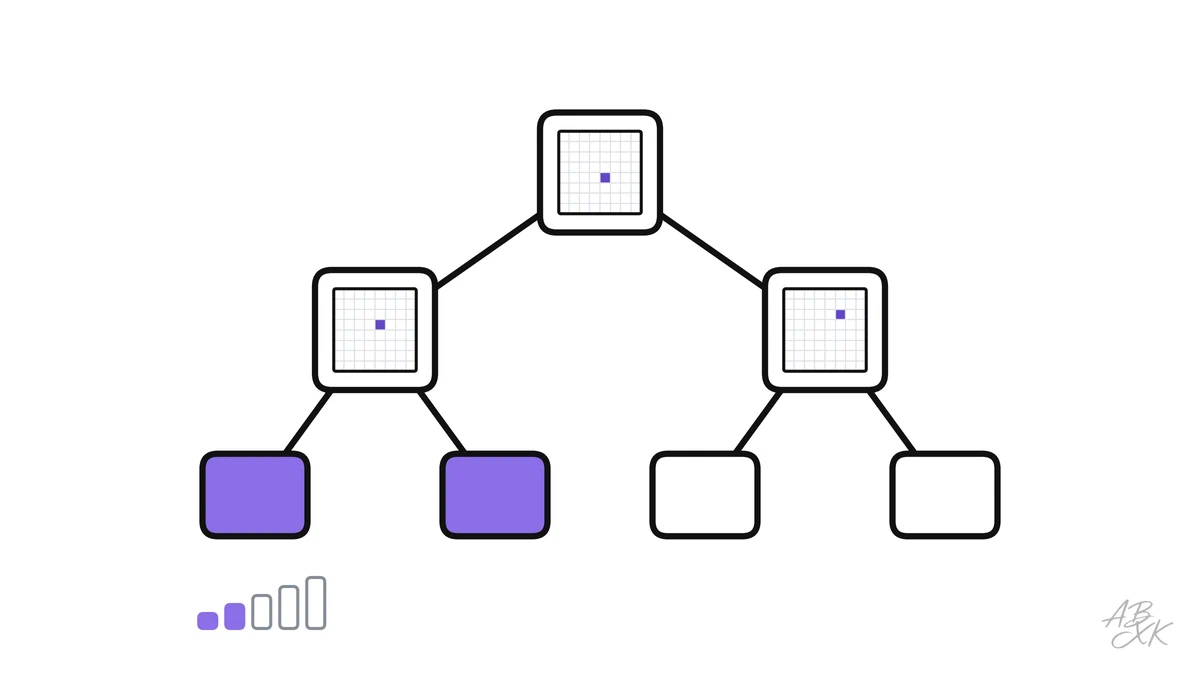
Decision Trees and Overfitting: When a Model Learns by Heart
How a decision tree decides, why a deeper tree scores 100% on its training data and still fails on new data, and how a random forest fixes it, shown with our data.
Level 1 · Part 4
Which Algorithm Wins? Six Classic Methods Compared
Six classic methods on the same data, from logistic regression to a neural network, compared fairly with cross-validation, plus what each one costs to run.
Level 1 · Part 5
Clustering and PCA: Finding Structure Without Labels
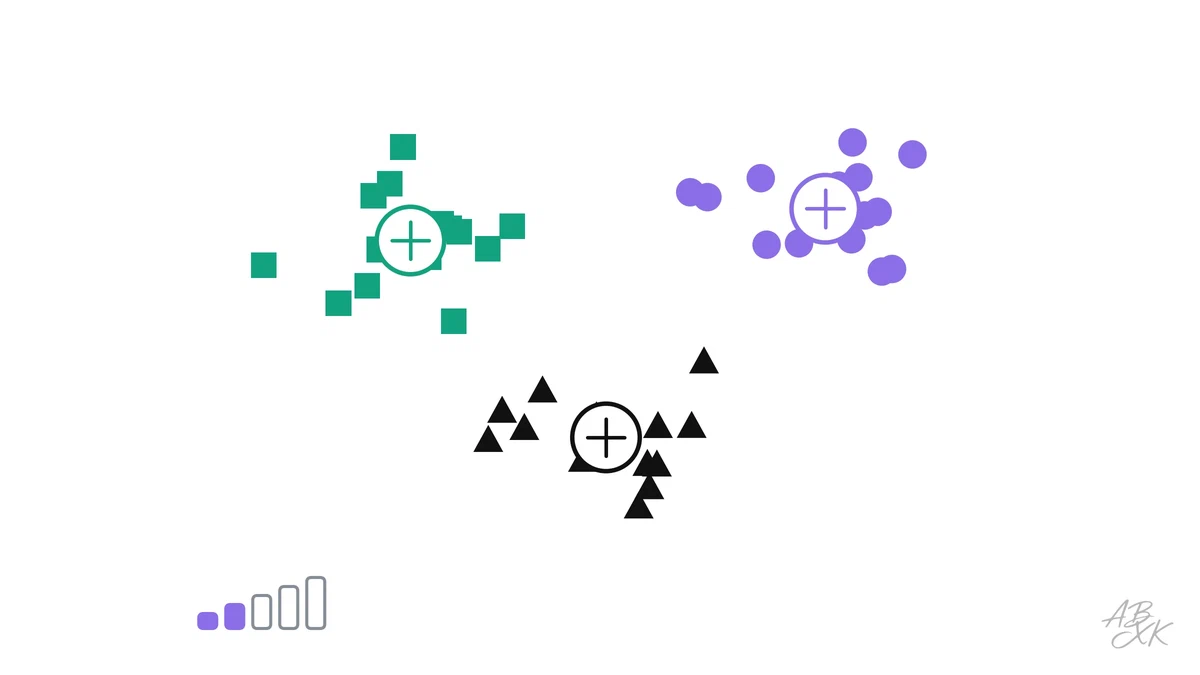
How k-means finds groups in data nobody labeled, why choosing the number of groups is hard, and how PCA shrinks 64 pixels to a few numbers, tested on real data.
Tools and data for this path
13 Tools in AI Development Compare all tools 343 language models in the LLM database